Have you ever wondered when colored pictures first came to life? Imagine seeing the world not just in black and white but bursting with vibrant hues that capture every detail exactly as you remember.
Understanding when colored pictures were invented isn’t just about dates—it’s about discovering how this breakthrough changed the way you experience memories and history. You’ll uncover the fascinating story behind the first color photographs, the challenges inventors faced, and how color photography transformed from a rare luxury into a common part of everyday life.
Ready to see the colorful journey unfold? Let’s dive in!
Credit: www.instarestoration.com
Early Attempts At Color
The journey to colored pictures began in the late 19th century. Early inventors wanted to capture the world in color, not just black and white. These first tries used different methods to record color information on photographic plates.
Though the results were often imperfect, these experiments laid the groundwork for modern color photography. The images had a distinct look, often soft and grainy, but they showed real color for the first time.
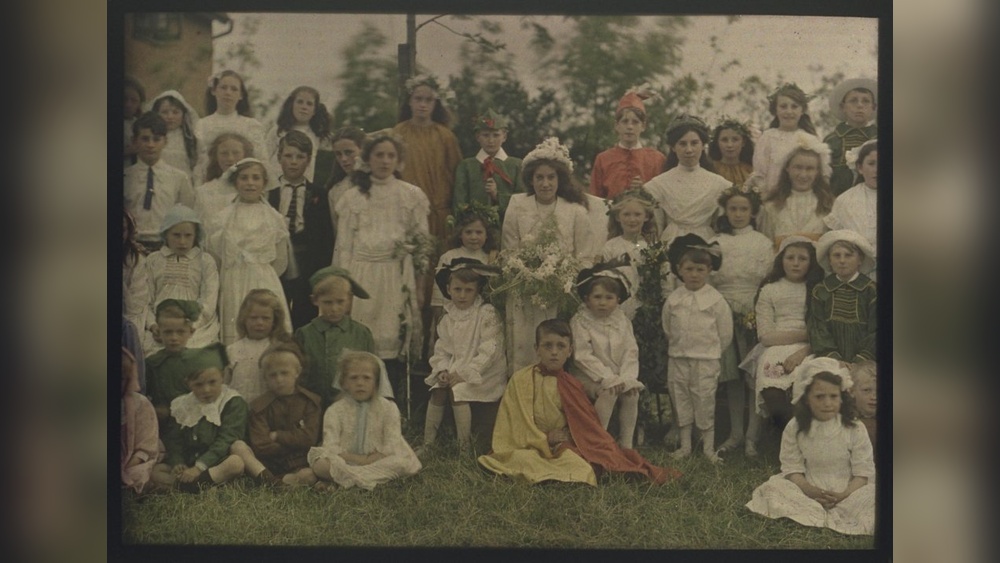
Introduced in 1907 by the Lumière brothers, Autochrome was the first practical color photo process. It used a glass plate coated with tiny dyed potato starch grains. These grains acted like tiny color filters for red-orange, green, and blue-violet.
The light passed through this mosaic and hit a black-and-white emulsion beneath, capturing the color pattern. The result was a color image with a unique, soft, and pointillist style. These photos looked very natural for their time.
Long exposure times were needed. This made it hard to capture moving subjects or quick snapshots. Still, Autochrome plates became popular for landscape and portrait photos.
Early Color Photography Challenges
Color photography faced many problems early on. The films and plates were costly to produce. Developing colored images required special chemicals and skill.
Indoor photography was difficult. The low light made exposures very long. Photographers had to use flashbulbs, which were not always reliable or safe.
Because of these issues, color photos were rare and mainly for special occasions. Black and white remained the standard for everyday use.

Credit: www.scienceandmediamuseum.org.uk
Autochrome Lumière Process
The Autochrome Lumière Process marked a major step in color photography. Introduced in 1907 by the Lumière brothers, it was the first practical color photography method. This process used a special glass plate coated with tiny colored grains. These grains acted as filters to capture natural colors directly onto the plate. Autochrome became popular for its ability to show real-life colors without hand painting or other tricks.
How Autochrome Worked
The process used a glass plate covered with millions of tiny potato starch grains. Each grain was dyed red-orange, green, or blue-violet. These grains formed a color filter mosaic. A layer of black-and-white photographic emulsion lay under this filter. When light passed through the grains, it recorded the color pattern on the emulsion. After development, the plate showed a positive color image. This method captured color in one shot, a big advantage over earlier methods.
Visual Characteristics
Autochrome images have a soft and dreamy appearance. The tiny colored grains create a pointillist effect, like small dots of color. Colors appear natural and faithful to the original scene. The images sometimes look a bit grainy due to the starch particles. This gives Autochrome photos a unique charm and texture. The colors do not look painted or artificial but true to life.
Exposure Limitations
Autochrome plates required long exposure times. Photographers often needed several seconds or even minutes to capture an image. This made it hard to photograph moving subjects or indoor scenes without strong light. Bright daylight was ideal for Autochrome photography. Slow exposure limited its use for many practical purposes. Despite this, it remained popular for portraits and landscapes where subjects stayed still.
Challenges To Early Adoption
The invention of colored pictures marked a significant milestone in photography. Yet, early adoption faced many challenges. These obstacles slowed the spread of color photography for years.
Understanding these challenges helps explain why color images were not common right away. Cost, technology, and access all played important roles.
High Costs
Early color photography was very expensive. The materials needed to create color pictures cost much more than black and white film. This high price made color photography out of reach for most people.
Photographers and studios had to pay a lot to develop and print color photos. Many chose to stick with cheaper black and white images.
Technical Limitations
Color photography required new and complex technology. Early cameras and films were hard to use and often unreliable. Long exposure times were common, making it difficult to capture moving subjects.
Indoor photography was especially challenging. Bright flashbulbs were needed for proper lighting, which added to the complexity and cost. The color results were sometimes uneven or faded quickly.
Limited Availability
The tools and materials for color photography were not widely available at first. Only specialized labs could process color films. This limited how many people could create color pictures.
Color film and printing services took years to become common in stores and studios. Many photographers continued to work with black and white because it was easier to find and develop.
Color Photography In Wartime
Color photography changed the way people saw war. It brought vivid images from battlefields into homes. Unlike black and white photos, color pictures showed reality more clearly. This helped people understand the true cost of war. Early color photography during wartime was rare but important. It required special technology and careful planning.
Government Projects
Governments began using color photography during World War II. The U.S. military funded projects to develop better color film. These films captured accurate colors of uniforms, landscapes, and equipment. The goal was to improve maps and spy photos. Color images helped soldiers plan attacks and defenses. These projects pushed color photography technology forward quickly.
Documenting American Life
Color photography also showed daily life during wartime. Photographers captured scenes of factories, families, and soldiers at home. These photos revealed how the war affected ordinary Americans. Color made these moments feel more real and personal. The images helped boost morale and support for the war effort. They created a lasting record of American life in tough times.
Commercial Uses Of Color
Color photography changed how businesses use images. It made pictures more lively and real. This shift helped many industries connect with their audiences better. Color added emotion and clarity that black and white could not offer. Commercial sectors quickly saw the value of color pictures in marketing and sales.
Advertising
Color pictures became a vital tool in advertising. Brands used color to grab attention and highlight products. Bright colors made ads stand out on busy streets and in magazines. Color helped show product details and textures clearly. This made customers trust what they saw and encouraged buying. Advertisers could now create moods and feelings with color schemes. Color images also improved recall, helping brands stay in customers’ minds.
Fashion Photography
Fashion photography greatly benefited from color images. Designers needed to show true colors of their clothes and accessories. Color photos captured fabric shades and textures accurately. This helped buyers see the real look before purchase. Fashion magazines switched to color to appeal more to readers. Color also allowed photographers to explore creative lighting and styling. The result was more striking and attractive fashion spreads.
Technological Advances
Technological advances played a crucial role in the invention and development of colored pictures. Early color photography faced many challenges, including complicated processes and poor image quality. Over time, innovations improved these aspects, making color photography more practical and accessible. These advances focused on better film materials and faster exposure times, which helped capture colors more accurately and clearly.
Improved Film Stocks
Early color films were slow and had limited color accuracy. Scientists and engineers created new film stocks with better sensitivity to light and color. These films used multiple layers, each capturing different colors. This layered design allowed for more natural and vibrant color reproduction. Improved film stocks also increased the durability of color pictures. Photographers could now produce images with richer tones and longer-lasting quality.
Faster Exposure Times
Long exposure times limited early color photography. Subjects had to stay still for several seconds or minutes. This made capturing motion or spontaneous moments difficult. Advances in chemistry and film technology reduced exposure times significantly. Faster films required less light, allowing pictures to be taken in more settings. This improvement made color photography practical for everyday use. It opened new possibilities for capturing life in color.
Widespread Popularity Emerges
The invention of colored pictures marked a major change in photography. Early color images were rare and costly, limiting their reach. Over time, technological improvements made color photography more practical and affordable. This shift helped colored pictures gain wide popularity.
Color photography began to spread beyond professionals. Everyday people started using it to capture moments. The vividness of color added new life to photos, making them more appealing. This appeal pushed manufacturers to develop better color films and cameras.
Early Color Photography Challenges
Initial color processes were complex and expensive. Films needed long exposure times. Indoor photos required bright flashbulbs, which were inconvenient. Color prints cost more than black and white ones. These factors slowed early adoption of color photography.
The Autochrome Breakthrough
The Autochrome Lumière process changed the scene. It used dyed potato starch grains to capture color. This method created soft, authentic color images. Despite long exposure times, Autochrome plates were popular with artists and amateurs. They showed that true color photography was possible.
Mass Production And Accessibility
Mass production of color film began in the 1930s. Companies like Kodak introduced user-friendly color film rolls. This made color photography affordable for the average person. Cameras designed for color film became common household items. Color pictures quickly entered everyday life and culture.
Color photography transformed media and advertising. Magazines and newspapers started printing color photos regularly. Artists explored new creative possibilities with color images. The vividness of color photos attracted more viewers and buyers. This increased demand further spread color photography worldwide.

Credit: eyecandys.com
Impact On Art And Media
The invention of colored pictures changed art and media deeply. Color added a new dimension to visual storytelling. It made images more lifelike and engaging. Artists and media creators could now express ideas with a richer palette.
Before color photography, artists relied on black and white or hand-colored images. Color pictures brought realism that was hard to achieve before. This shift influenced painting, film, advertising, and journalism.
Enhanced Realism In Art
Color brought scenes to life with more detail and emotion. Artists could capture natural hues and moods. This helped viewers connect emotionally with artworks. The subtlety of light and shade became easier to show. Art became more accessible and relatable to a wider audience.
New Storytelling Opportunities In Media
Color pictures allowed media to tell stories more vividly. Newspapers and magazines used color to attract readers. Films gained depth with colorful scenes and costumes. Television and advertising relied heavily on color to catch attention. This made messages clearer and more memorable.
Challenges And Adaptations
Early color technology had limits like high cost and long exposure times. Artists and media professionals adapted their methods. They experimented with new techniques to overcome these issues. Over time, color became standard, shaping modern visual culture.
Color Film Becomes Affordable
Color film became affordable in the mid-20th century, changing photography forever. Before this, color pictures were rare and costly. Only professionals or wealthy hobbyists could afford color film and prints.
Affordable color film made it possible for everyday people to capture memories in vibrant hues. The technology improved, costs dropped, and color photography grew popular worldwide.
Early Challenges With Color Film
Early color film was expensive and complicated to produce. The color layers had to be carefully aligned, and chemicals were costly. Many films required special handling and lighting to work well.
This made color photography a luxury. Black and white film remained the standard because it was cheaper and easier to develop.
Mass Production Lowers Costs
In the 1930s and 1940s, companies like Kodak improved color film production. They introduced new chemical processes that simplified manufacturing. This led to mass production and lower prices.
By the 1950s, color film became affordable for most people. It was sold in many stores, making color photography accessible to families and amateurs.
Impact On Everyday Photography
Affordable color film changed how people captured their lives. Family photos, vacations, and events were now in color. This added emotional depth and realism to images.
Color film also influenced art and media. Photographers and filmmakers explored new creative possibilities with color. It opened a fresh world of visual storytelling.
Legacy Of Early Color Photos
Early color photographs changed how people saw the world. They brought scenes to life in ways black and white images could not. These photos preserved moments with real colors, creating a new connection to history.
The legacy of these early color photos extends beyond art. They influenced technology, culture, and even science. Their impact shaped the development of modern photography and how we capture memories today.
Influence On Photography Technology
Early color methods inspired many innovations. Photographers and inventors worked to improve color accuracy and reduce exposure times. These efforts led to better film and cameras, making color photography easier and more reliable.
Techniques like the Autochrome process introduced new ways to capture color. This method used dyed starch grains to record light, creating a unique color effect. It set the stage for future color film advancements.
Cultural Impact Of Color Images
Color photos made history more vivid and real. People could see events, places, and people in true colors for the first time. This changed how stories were told in books, magazines, and newspapers.
Artists and filmmakers began using color to enhance their work. Color photography added emotion and detail, making images more powerful and engaging.
Preserving Historical Moments
Early color photos became important historical records. They showed everyday life, fashion, and landscapes in authentic color. These images help us understand the past more clearly.
Many museums and archives now protect these photos. They remain valuable resources for researchers and the public. Their legacy continues as a bridge between past and present.
Frequently Asked Questions
When Did Color Pictures Become Common?
Color pictures became common in the 1950s when affordable color film and printing processes improved. Widespread use grew throughout the 1960s.
Why Did Photographers Not Use Color Before 1970?
Photographers avoided color before 1970 due to high costs, limited film availability, long exposure times, and unreliable indoor results. Color prints were expensive, and early color processes required stationary subjects, making black and white film more practical and popular until technology improved.
Did Color Photos Exist In The 1920s?
Yes, color photos existed in the 1920s using the Autochrome process. It produced soft, authentic colors but required long exposures. Color photography was rare and expensive then, limiting its widespread use.
Did Color Photos Exist In 1940?
Yes, color photos existed in 1940 using the Autochrome process. They required long exposure and were costly, limiting widespread use.
When Were Colored Pictures First Invented?
Colored pictures were first invented in the early 1860s with the development of color photography.
Who Created The First Color Photograph?
The first color photograph was created by James Clerk Maxwell in 1861 using a three-color method.
What Was The Autochrome Process In Color Photography?
Autochrome was an early color photography process using dyed potato starch grains to capture color.
Why Was Color Photography Not Popular At First?
Early color photos were costly, needed long exposure, and worked poorly indoors without flash.
When Did Color Photography Become Widely Available?
Color photography became widely available and popular in the 1930s with the introduction of color film.
How Did Early Color Photos Look Compared To Black And White?
Early color photos had a soft, pointillist look with authentic colors, unlike sharp black and white images.
Conclusion
Color pictures began in the early 1900s with the Autochrome process. It used tiny dyed grains to capture colors naturally. Early color photos looked soft and unique but needed long exposure times. Color photography was costly and slow, so black and white stayed popular for years.
Over time, technology improved, making color photos easier and more common. Today, color images capture life vividly and instantly. Understanding this history helps us appreciate how far photography has come. The invention of color pictures changed how we see and remember the world.