
Have you ever wondered when your baby’s eye color will settle into its true shade? It’s one of those magical moments that many parents eagerly await.
Right now, your little one’s eyes might look like a soft blue or gray, but that can change as they grow. Understanding when and why this happens can help you appreciate every stage of your baby’s development. You’ll discover the timeline of eye color changes, what influences these changes, and why your baby’s eyes might surprise you.
Keep reading to unlock the fascinating story behind those tiny, ever-changing eyes.
Baby Eye Color At Birth
Most babies are born with blue or gray eyes. This happens because their irises have little melanin. Melanin is the pigment that gives color to eyes, skin, and hair.
Babies grow in darkness inside the womb. Without light, melanin does not develop fully. This is why many newborns have light-colored eyes at first.
Initial Blue Or Gray
At birth, babies often have blue or gray eyes. These colors come from low melanin levels in the iris. The eye color looks lighter because melanin has not yet built up.
Melanin Production
After birth, exposure to light starts melanin production. Special cells called melanocytes create melanin in the iris. More melanin means darker eye color over time.
Gradual Change
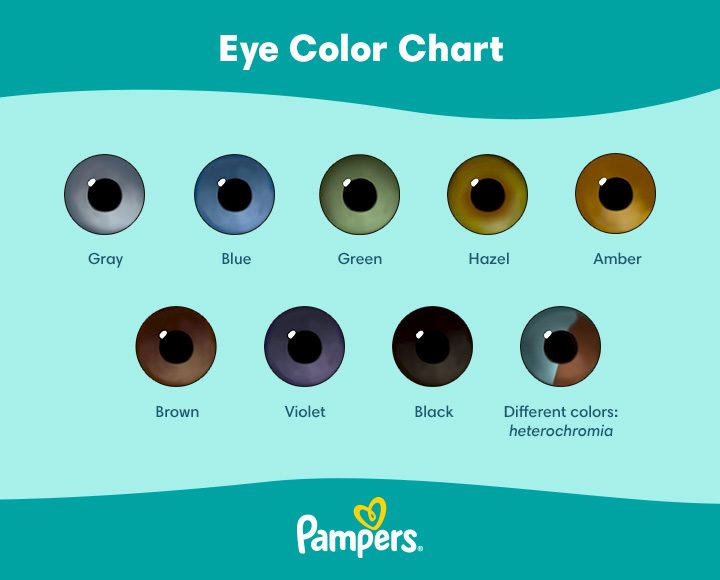
Eye color changes slowly during the first year. Melanin builds up little by little. The eyes may shift from blue to green, hazel, or brown.
Final Stabilization
Most babies’ eye color settles by 6 to 12 months. Some may continue to change until age three. The final color depends on melanin amount and genetics.
Credit: www.pampers.com
Role Of Melanin
Melanin is the key pigment that decides eye color in babies. It is a natural substance found in the iris, the colored part of the eye. Babies are often born with blue or gray eyes because their melanin levels are low at birth.
As babies grow, melanin production increases, changing the eye color. The process depends on genetics and exposure to light after birth. This change usually happens in the first year of life but can continue for up to three years.
Melanin And Eye Color Development
At birth, babies have little melanin in their irises. This lack makes their eyes appear blue or gray. After birth, light stimulates cells called melanocytes to produce melanin. As melanin builds up, eye color shifts toward its final shade.
How Melanin Affects Different Eye Colors
Low melanin creates blue eyes. Moderate melanin gives green or hazel eyes. High melanin results in brown or black eyes. The amount and type of melanin determine these colors. This explains why eye colors vary so much among people.
Factors Influencing Melanin Production
Genetics play a major role in melanin levels. Many genes work together, making eye color hard to predict. Light exposure after birth also encourages melanin production. This explains why some babies’ eyes change color over time.
Timeline For Eye Color Change
The timeline for a baby’s eye color change can vary widely. Most newborns start with blue or gray eyes. This happens because melanin, the pigment in the iris, is not fully developed at birth. Melanin production increases after birth due to light exposure. This process causes the eyes to change color gradually over time. Understanding this timeline helps parents know what to expect.
Initial Eye Color At Birth
Many babies are born with blue or gray eyes. The womb’s darkness means melanin has not developed yet. These light colors are common in newborns of all ethnic backgrounds. At this stage, eye color is not permanent. It is simply the starting point.
Melanin Production And Color Change
After birth, light exposure triggers melanin production in the iris. Melanocytes start making more pigment. This pigment darkens the eye color slowly. The increase in melanin changes the eyes from blue or gray to green, hazel, or brown. The process can take several months.
Gradual Eye Color Change
Eye color changes gradually during the first year. Some babies show changes as early as six months. For others, it may take up to 12 months or longer. The change is usually slow and steady. Parents may notice subtle shifts in shade and tone over time.
Final Eye Color Stabilization
Most babies’ eye color stabilizes by 12 to 18 months. Some may take up to three years for full color development. After this, eye color usually remains the same for life. Rarely, minor changes can continue into early childhood.
Genetics And Eye Color
Babies often start with blue or gray eyes due to low melanin at birth. Eye color usually changes within the first year as melanin builds up. Genetics and light exposure both influence the final eye color over time.
Eye color in babies depends mainly on genetics. Genes carry the instructions for eye color from parents to children. Many genes work together to decide the final color of a baby’s eyes. This makes predicting eye color quite complex.
Parents’ eye colors give clues but do not guarantee the baby’s eye color. Sometimes, a baby’s eyes may look different from both parents. This happens because genes from grandparents and other ancestors also play a role.
How Eye Color Develops
Babies often start life with blue or gray eyes. This is because their irises have little melanin at birth. Melanin is the pigment that gives color to eyes, skin, and hair.
After birth, exposure to light triggers melanin production in the iris. As melanin builds up, the eyes slowly change color. This process can take several months or even years to finish.
Why Genetics Makes Eye Color Unpredictable
Eye color is not controlled by one gene. Instead, multiple genes influence melanin levels in the iris. This mix of genes means eye color can vary widely among siblings.
Some genes increase melanin, leading to brown or dark eyes. Others reduce melanin, resulting in lighter eye colors like blue or green. The combination of these genes creates unique eye colors.
Role Of Melanin In Eye Color
Melanin determines the shade of the iris. Low melanin means blue or gray eyes. Medium melanin can cause green or hazel eyes. High melanin results in brown or black eyes.
The amount of melanin depends on genetic signals that control pigment production. These signals vary in each baby, which explains the wide range of eye colors in children.
Light Exposure Effects
Babies often have blue or gray eyes at birth due to low melanin levels. Exposure to light after birth helps increase melanin, gradually changing eye color. This process usually stabilizes by 6 to 12 months of age.
How Light Affects Melanin Production
Babies are born with little melanin in their irises. Melanin is the pigment that gives eyes their color. When babies are exposed to light, their melanocytes start making more melanin. This process changes the eye color over time. The more melanin produced, the darker the eyes become.
Role Of Natural Sunlight Exposure
Natural sunlight plays a big role in eye color development. It stimulates melanin production more than artificial light. Babies who spend time in natural light may show eye color changes faster. This exposure helps their eyes adapt from the dark womb environment to the outside world.
Variations In Eye Color Change Timing
Not all babies’ eyes change color at the same speed. Some change within a few months, others take up to a year. The amount of light exposure can affect this timing. Babies in brighter environments might see earlier color shifts. Those with less light might take longer to develop their true eye color.
Common Eye Colors In Babies
Babies can have a variety of eye colors at birth. The most common eye colors are blue, brown, green, and gray. These colors depend on how much melanin is in the iris, the colored part of the eye. Melanin is a pigment that affects the shade of the eyes.
At birth, many babies have lighter eyes. This is because melanin has not fully developed yet. The final eye color may take several months to appear. Understanding common baby eye colors helps parents know what to expect.
Blue Eyes
Blue eyes are common in newborns, especially those with European ancestry. The blue color comes from low melanin levels and light scattering in the iris. Many babies born with blue eyes may have their eye color change over time.
Brown Eyes
Brown eyes have the most melanin in the iris. This color is the most common worldwide. Babies with brown eyes often keep their eye color from birth. The shade can range from light brown to dark brown.
Green Eyes
Green eyes are less common than blue or brown. They occur when melanin levels are moderate. The iris may have a mix of yellow and brown pigments that create green eyes. This color often appears after a few months.
Gray Eyes
Gray eyes look similar to blue but have a different light reflection. This color is rare and comes from very low melanin with unique iris structure. Babies with gray eyes may see slight changes in shade as they grow.
When Eye Color Stabilizes
Babies’ eye color often changes during the first year of life. The color a baby is born with may not be the color they keep. This change happens because of melanin, a pigment in the iris. Melanin production increases over time, making eyes darker or richer in color. Understanding when eye color stabilizes helps parents know what to expect.
Initial Eye Color At Birth
Most babies have blue or gray eyes at birth. This happens because melanin has not fully developed. Babies grow in darkness inside the womb. Without light, melanin stays low. This causes lighter eye colors at birth.
Melanin Development Over Time
After birth, babies see light for the first time. Light triggers melanin production in the iris. Melanocytes are cells that produce melanin. As these cells work, eye color begins to change. The change can be slow and gradual.
When Eye Color Becomes Permanent
Eye color usually stabilizes between 6 and 12 months. For some babies, it may take up to 3 years. By this time, melanin levels in the iris reach a steady state. The final eye color is then visible and stays for life. Changes after this period are rare.

Credit: kdfoundation.org
Factors Causing Variations
Babies’ eye color changes due to several factors. These factors cause variations in how and when the color shifts. Understanding these causes helps explain why eye color is not fixed at birth. Each baby’s eyes develop uniquely. The change depends on genetics, melanin, and other elements.
Genetic Influence On Eye Color
Genes play a major role in eye color changes. Multiple genes interact to determine the final shade. Eye color is not controlled by a single gene. Parents’ and grandparents’ genes both affect the outcome. This complexity makes eye color prediction challenging. Babies can inherit unexpected eye colors from family genes.
Melanin Production And Its Effect
Melanin is the pigment responsible for eye color. Babies usually have low melanin at birth, causing blue or gray eyes. Exposure to light after birth triggers melanin production. As melanin increases, the eye color darkens or changes. Higher melanin levels result in brown or hazel eyes. Less melanin keeps the eyes lighter, like blue or green.
Environmental Factors Impacting Eye Color
Light exposure influences melanin activity in the iris. Sunlight helps melanin cells produce more pigment. Babies in brighter environments may see faster eye color changes. Health and nutrition can also affect melanin levels. Rarely, certain medical conditions influence eye color shifts. Overall, the environment works with genetics to shape eye color.
Myths About Baby Eye Color
Many parents get curious and worried about their baby’s eye color. Myths about baby eye color spread easily. These myths can confuse new parents and create false expectations. Understanding facts helps clear up the confusion.
Myth: All Babies Are Born With Blue Eyes
Not all babies have blue eyes at birth. Some babies are born with dark eyes, such as brown or gray. Eye color depends on melanin, which changes after birth. Light exposure triggers melanin production, changing eye color over time.
Myth: Baby Eye Color Changes Overnight
Eye color does not change suddenly. The process is slow and gradual. Babies’ eyes can take months or even years to settle into their final color. Expect changes to happen little by little, not instantly.
Myth: Eye Color Predicts Personality
Eye color has no link to personality traits. Some people believe blue-eyed babies are calm, or brown-eyed babies are strong. These ideas have no scientific basis. Eye color is only about genetics and melanin levels.
Myth: Parents’ Eye Color Always Determines Baby’s Eye Color
Parents’ eyes do influence baby’s eye color but do not guarantee it. Multiple genes from grandparents and ancestors affect it too. Sometimes, a baby’s eye color surprises the family.
Myth: Eye Color Stops Changing After Six Months
Most babies’ eye color settles by 12 months but can continue to change for up to three years. Some changes happen even later. Patience is key when watching your baby’s eye color develop.
Credit: health.clevelandclinic.org
Tips For Parents Observing Changes
Watching a baby’s eye color change can be a fascinating experience for parents. These changes happen gradually and can continue for several months. Patience and careful observation help parents notice these subtle shifts. Understanding what to expect makes this process less confusing and more enjoyable.
Observe In Natural Light
Check your baby’s eyes in different natural light settings. Sunlight shows the true color better than artificial light. Avoid direct sunlight, which can cause squinting and inaccurate color perception. Soft daylight is ideal for observing eye color changes clearly.
Take Regular Photos
Photograph your baby’s eyes every few weeks. Use the same lighting and angle to compare changes easily. Photos create a visual record that helps track progress over time. This method also shares updates with family and friends.
Avoid Rushing To Conclusions
Eye color can shift slowly over months or even up to a year. Early colors like blue or gray might not be final. Melanin in the iris increases with age, changing the color gradually. Wait patiently before deciding on the permanent eye color.
Note Other Factors Affecting Color
Sometimes lighting and pupil size affect how eye color appears. Bright or dim light can make eyes look lighter or darker. Emotional changes can also alter pupil size temporarily. Consider these factors before confirming any change.
Consult Your Pediatrician For Concerns
If you notice sudden or unusual changes in eye color, speak with your pediatrician. Rare conditions may affect eye pigmentation or health. Early advice ensures your baby’s eyes develop normally and stay healthy.
Frequently Asked Questions
When Can You Tell A Baby’s Actual Eye Color?
A baby’s true eye color usually appears between 6 to 12 months as melanin develops in the iris. Eye color can continue to change up to 3 years old. Genetics and light exposure influence the final color. Initial blue or gray eyes often shift to green, hazel, or brown.
Do All Newborns Have Blue Eyes?
Not all newborns have blue eyes. Many babies appear blue-eyed due to low melanin at birth. Eye color can change as melanin develops.
What Color Do Grey Babies’ Eyes Turn?
Grey babies’ eyes often change to green, hazel, or brown as melanin develops after birth. Genetics influence the final color.
How Long Does It Take For Blue Eyes To Turn Green?
Blue eyes may turn green within 6 to 12 months as melanin production increases and eye color stabilizes.
When Do Babies’ Eyes Usually Start To Change Color?
Babies’ eyes often begin changing color between 3 to 6 months of age.
How Long Does It Take For Baby’s Eye Color To Settle?
Eye color can take up to 12 months, sometimes even 18 months, to fully settle.
Why Are Most Newborns’ Eyes Blue Or Gray Initially?
Newborns’ eyes look blue or gray because melanin in the iris is not yet developed.
What Causes A Baby’s Eye Color To Change After Birth?
Sunlight exposure triggers melanin production, which changes and darkens the baby’s eye color.
Can A Baby’s Eye Color Change After One Year?
Yes, some babies’ eye color may continue to change slightly even after one year.
Is Baby Eye Color Determined Only By Parents’ Genes?
No, eye color is influenced by multiple genes from parents and ancestors.
Conclusion
Babies’ eye color often changes during their first year. Melanin in the iris increases with light exposure. Genetics also play a big role in final color. Some babies’ eyes settle by six months, others take longer. Patience is key; every child is different.
Watching this change can be a special experience. Remember, the true color may not appear right away. Enjoy this unique part of your baby’s growth journey.