Navy blue is a timeless, classic color that adds depth and elegance to anything you create. But have you ever wondered how to make the perfect shade of navy blue yourself?
Whether you’re mixing paint for a project or choosing colors for your digital design, getting that rich, deep blue just right can be tricky. In this guide, you’ll discover simple steps to mix navy blue using colors you already have.
By the end, you’ll know exactly how to create a navy blue that looks professional and stunning every time. Ready to unlock the secret behind this powerful color? Let’s dive in and start mixing!
Credit: trembelingart.com
Base Colors For Navy Blue
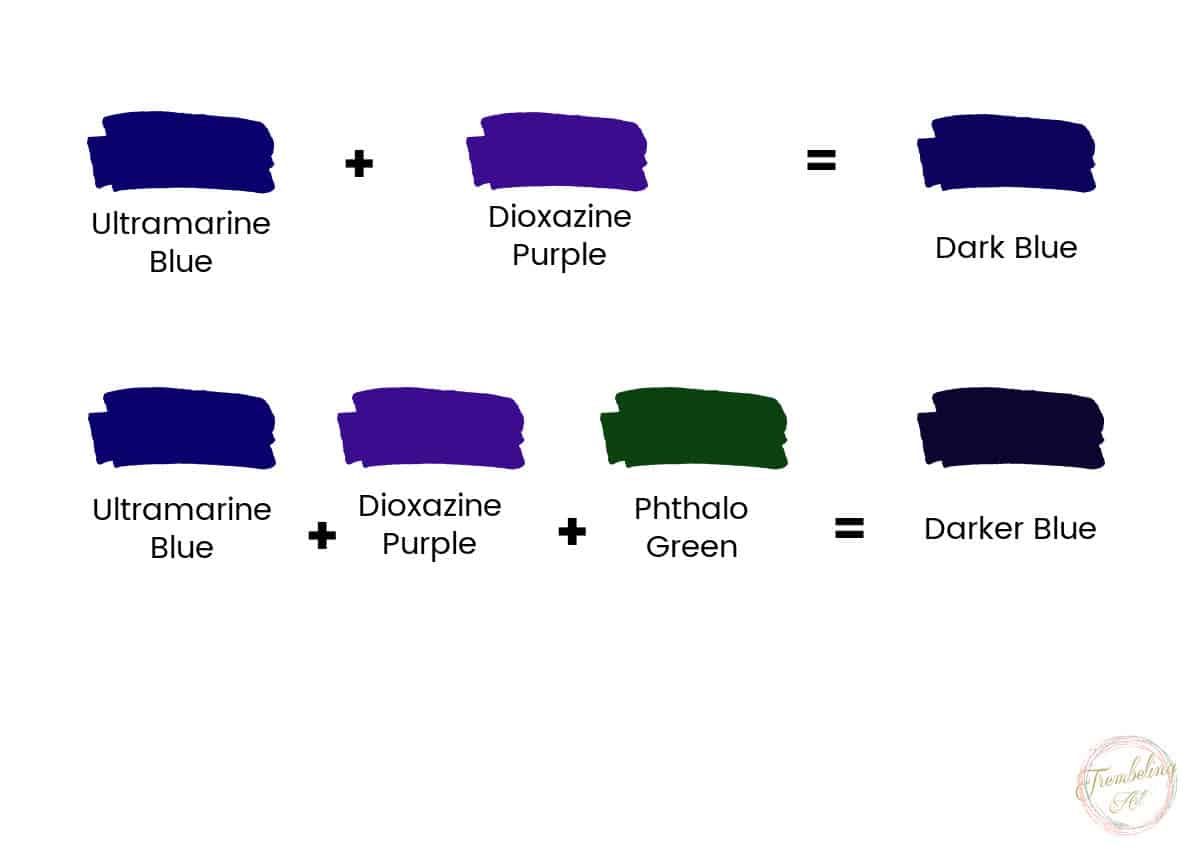
Navy blue is a deep, dark shade of blue that many find both classic and versatile. Creating this color starts with understanding its base colors. Knowing the right base colors helps achieve the perfect navy tone for art, design, or decoration.
The main base color for navy blue is blue itself. This blue serves as the foundation and sets the tone. Choosing the right kind of blue is important to get the desired depth and richness.
Primary Blue
Primary blue is a pure, vivid color often used as the main base. It is bright and clear, making it a great starting point. Mixing primary blue with darker shades can create the deepness navy blue requires.
Ultramarine Blue
Ultramarine blue has a slightly warmer tone than primary blue. It adds richness and depth to the mixture. Many artists prefer ultramarine because it blends well with dark colors to form navy blue.
Royal Blue
Royal blue is a bright, slightly lighter blue shade. It gives a vibrant base to mix navy blue. When darkened carefully, royal blue can produce a clean and strong navy color.

Credit: www.youtube.com
Choosing The Right Blue Shade
Choosing the right blue shade is essential for creating the perfect navy blue. Not all blues are the same. Some blues are bright and light, while others are deep and dark. Picking the right starting blue color sets the tone for your navy blue mix.
Start with a pure, rich blue. Ultramarine blue or royal blue works well. These blues have enough depth to turn into navy when mixed correctly. A dull or pale blue will not give the true navy look.
Understanding Blue Tones
Blues can have cool or warm tones. Cool blues lean toward green, while warm blues lean toward purple. Navy blue usually comes from a cool blue base. Choosing a cool blue helps achieve that classic navy shade.
Selecting The Base Blue Color
Use a deep blue paint like ultramarine or cobalt blue. These colors provide a strong foundation for navy blue. Avoid light or pastel blues because they require too much darkening to become navy.
Testing Blue Shades
Mix small amounts of different blue paints on a palette. Compare them under natural light. This helps find the blue closest to your navy target. Testing prevents mistakes in the final mix.
Adding Black For Depth
Adding black paint to blue is a simple way to make navy blue deeper and darker. This technique enhances the richness of the blue shade and creates a strong, classic navy color. The key is to add black slowly, mixing well after each drop.
Start with a bright blue base like ultramarine or royal blue. Then, add a tiny amount of black paint. Mix the colors completely before adding more black. This helps avoid making the color too dark too quickly.
Careful mixing ensures the navy blue looks smooth and even. You can stop adding black once the shade reaches the depth you want. This method lets you control the exact tone of navy blue you need.
Choosing The Right Blue Base
Pick a strong blue color as your base. Ultramarine and royal blue are perfect choices. They provide a vibrant foundation that works well with black.
This base sets the stage for adding black without losing the blue’s brightness.
Adding Black Gradually
Use a small brush or stick to add black paint little by little. Mix the paint fully each time you add black. This avoids sudden changes in color.
Adding black slowly helps you reach the perfect navy without overshooting.
Mixing Tips For Smooth Color
Stir the paint well to blend black and blue evenly. Uneven mixing can create spots of black or blue.
Mixing thoroughly keeps the navy blue consistent and professional-looking.
Adjusting Shade With Extra Colors
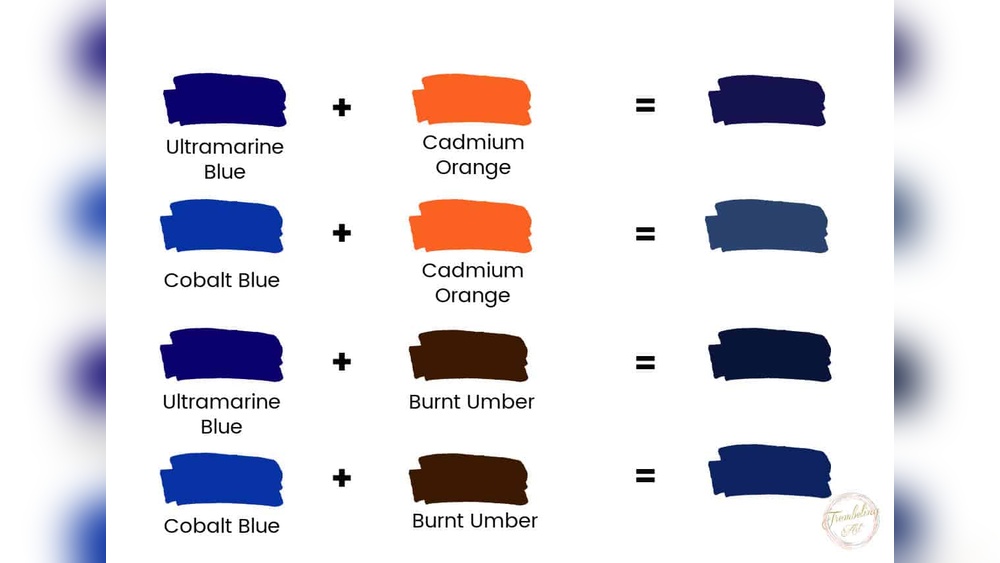
To make navy richer, add a tiny bit of red or orange. Use these colors sparingly to keep the blue dominant.
Adding too much orange can make the color less blue and more brownish.

Credit: www.youtube.com
Incorporating Red Or Orange
Incorporating red or orange into navy blue creates a richer, warmer tone. This technique adds depth and complexity to the color. Small amounts are key. Too much red or orange shifts the blue toward brown or purple. Use caution and mix slowly for the best results.
How Red Affects Navy Blue
Adding red to navy blue warms the color slightly. It gives the blue a subtle hint of purple. Use a tiny amount of red to avoid overpowering the blue. This mix works well for creating navy shades with a soft, elegant touch.
The Role Of Orange In Navy Blue
Orange adds warmth and brightness to navy blue. A small amount can make the color feel richer. Be careful with orange; too much turns the color muddy. This mix is perfect for navy tones that need a lively, warm glow.
Tips For Mixing Red Or Orange Into Navy Blue
Start with a base of pure blue paint. Add black to darken the blue to navy. Mix in red or orange slowly, drop by drop. Test the color on scrap paper often. Adjust the amounts until the desired navy shade appears.
Mixing Techniques To Try
Creating the perfect navy blue requires the right mixing techniques. Different methods can affect the depth and tone of your navy shade. Experimenting with these techniques helps you find the exact color you want.
Start with a strong base blue. Then adjust the darkness and warmth with other colors. Each technique changes the final look of your navy blue.
Mixing Blue And Black Gradually
Begin with a pure blue like ultramarine or royal blue. Slowly add small amounts of black paint. Mix well after each addition to see the true color. Stop adding black once you reach a deep navy shade. This method keeps the navy cool and dark.
Adding A Touch Of Red Or Orange
Mix blue with a little black first. Then add a tiny amount of red or orange. This warms the navy and adds richness. Use orange carefully—it can change the blue too much. This technique creates a navy with a subtle warmth.
Using Primary Colors To Mix Navy
Combine blue with small amounts of red and yellow. Adjust the yellow to add warmth or coolness. Then add black slowly to deepen the color. This method lets you create navy from basic colors. It’s useful if you don’t have ready-made navy paint.
Testing Your Color Mix
Testing your color mix is a crucial step in creating the perfect navy blue shade. This process helps you see how close your blend is to the desired color. It ensures your mixture looks right under different lights and on various surfaces.
Start by mixing small amounts of paint on a palette. Use scrap paper or a test canvas to apply your mix. This allows you to observe the color dry and settle. Navy blue can appear different once dry, so testing saves time and paint.
Check Color Accuracy In Different Lights
View your test color under natural light and artificial light. Colors can shift depending on lighting conditions. Navy blue may look brighter outside and darker indoors. Testing under multiple lights helps confirm the true shade.
Compare Your Mix To A Reference
Keep a picture or sample of the navy blue shade you want. Place your test swatch next to this reference. This side-by-side comparison makes it easier to spot differences. Adjust your mix if the color is too dark or too light.
Adjust Gradually For Best Results
Add black paint in small amounts to deepen the blue. Mix thoroughly after each addition. Avoid adding too much black at once to prevent a muddy color. For a richer look, try a tiny bit of red or orange. Test the mix again after each change.
Adjusting For Richness
Adjusting the richness of navy blue involves fine-tuning the color’s depth and warmth. This step is key to achieving the perfect navy shade. Small changes can make a big difference. Experimenting with different additions will help you find the ideal balance.
Start with a strong base of blue. Then, add darker tones to deepen the color. The goal is a rich, deep navy, not a dull or muddy hue.
Black paint darkens the blue, creating a deeper navy tone. Add black in very small amounts. Mix thoroughly after each addition. This prevents the color from becoming too dark too fast. A little black goes a long way.
Incorporating Red Or Orange For Warmth
Adding a tiny bit of red or orange warms the navy blue. This brings richness and complexity. Use orange sparingly; too much shifts the color away from blue. Red adds subtle warmth without losing the navy look.
Testing And Adjusting Gradually
Always test your mix on scrap paper. Compare it to the desired navy blue shade. Adjust by adding more blue, black, or red little by little. Patience is crucial for getting a balanced, rich color. Mix slowly and evaluate often.
Common Mistakes To Avoid
Creating the perfect navy blue can be tricky. Many beginners make simple mistakes that affect the final color. Avoiding these errors saves time and paint. Understanding common pitfalls helps you get the shade right the first time.
Adding Too Much Black
Black paint can darken blue quickly. Adding too much black makes the color look dull or gray. Use black paint sparingly and mix slowly. Test the color often to avoid over-darkening.
Using The Wrong Shade Of Blue
Not all blues are the same. Ultramarine or royal blue works best for navy. Light blues or cyan shades will not create true navy. Choose a rich, deep blue as your base color.
Ignoring Color Balance
Navy blue needs balance. Adding red or orange in small amounts deepens the color. Too much red or orange shifts the color toward purple or brown. Add these colors carefully and in tiny steps.
Skipping Test Swatches
Mixing without testing is risky. Always paint a small swatch to see the true color. Drying can change the shade. Testing helps adjust the mix before painting a large area.
Using Navy Blue In Design
Navy blue is a popular color in design for its calm and strong feel. It works well in many styles and spaces. Using navy blue can create balance and add depth. It pairs nicely with bright colors and neutrals.
Designers use navy blue to bring a touch of elegance. It can make rooms look cozy or offices feel professional. Navy blue suits modern and classic designs alike. The color’s versatility helps in creating mood and focus.
Using Navy Blue For Backgrounds
Navy blue makes a great background color. It is dark enough to make text stand out clearly. Light or white text on navy blue is easy to read. This combination works well for websites and presentations. Navy backgrounds add a sleek, polished look.
Combining Navy Blue With Other Colors
Navy blue pairs well with many colors. White and beige create a soft, clean palette. Bright colors like coral or yellow add energy. Gray and silver give a modern, cool tone. Mixing navy with pastels softens the overall feel.
Using Navy Blue In Branding
Many brands use navy blue to show trust and reliability. It conveys professionalism and stability. Navy works well in logos and marketing materials. It helps build a strong, confident brand image. This color is common in finance, tech, and education.
Digital Navy Blue Mixing Tips
Creating digital navy blue requires precision and the right color balance. Digital colors mix differently than physical paints. Understanding RGB and HEX codes helps achieve the perfect shade on screen. This section offers practical tips for mixing navy blue digitally. Follow these simple steps to get a deep, rich navy blue for your digital projects.
Use The Right Base Blue
Start with a strong blue base like RGB (0, 0, 128) or HEX 000080. This is the classic navy blue tone. Using a deep blue base gives a solid foundation for mixing. Avoid lighter blues as they need more adjustments.
Add Small Amounts Of Black
Add black gradually to darken the blue. Use RGB values like (0, 0, 0) to mix with the base blue. Increase the black value slowly to keep control over the shade. This prevents the color from becoming too dull.
Mix In Touches Of Red Or Orange
To make the navy blue warmer, add a tiny bit of red or orange. Use RGB values like (128, 0, 0) or (255, 69, 0) sparingly. A little red or orange gives depth without changing the blue tone too much.
Test On Different Screens
Colors look different on various devices. Check your navy blue on multiple screens for accuracy. Adjust the RGB or HEX values slightly if the color appears too bright or too dark. This ensures consistency for all viewers.
Use Color Picker Tools
Color pickers help you select and mix digital colors easily. Use software like Photoshop or online tools to blend blues and blacks. These tools display exact color codes for easy replication later.
Frequently Asked Questions
What Colors Can I Mix To Get Navy Blue?
Mix pure blue with small amounts of black to create navy blue. Add a touch of red or orange for depth, blending gradually.
What Makes Navy Color?
Navy color forms by mixing blue with a small amount of black. Adding a touch of red or orange deepens its richness.
What Is The Color Combination Of Navy Blue?
Navy blue combines deep blue with a small amount of black. Adding a touch of red or orange enriches its depth.
What Two Colors Make Blue Blue?
Blue is a primary color and cannot be made by mixing other colors. It exists on its own.
What Two Colors Create Navy Blue?
Mix blue with a small amount of black to create navy blue.
How Do You Darken Blue Paint To Navy?
Add black paint gradually to blue until the shade darkens to navy.
Can You Make Navy Blue With Primary Colors?
Yes, mix blue with a tiny bit of red and black for navy.
Why Add Orange When Making Navy Blue?
Orange adds warmth and depth to navy but use it sparingly.
What Is The Base Color For Navy Blue?
Blue, especially ultramarine or royal blue, is the base for navy.
How Much Black Should I Add To Blue For Navy?
Add black slowly, testing after each drop until the navy shade appears.
Conclusion
Creating navy blue is simple with the right steps. Start with a pure blue base. Add small amounts of black paint slowly. Mix well after each addition for even color. To deepen the shade, add a tiny bit of red or orange.
Test your mix on scrap paper often. Adjust until you reach the perfect navy blue. This process lets you control the exact shade you want. Experimenting helps you find your favorite navy tone. Now, you can confidently mix navy blue for your projects.