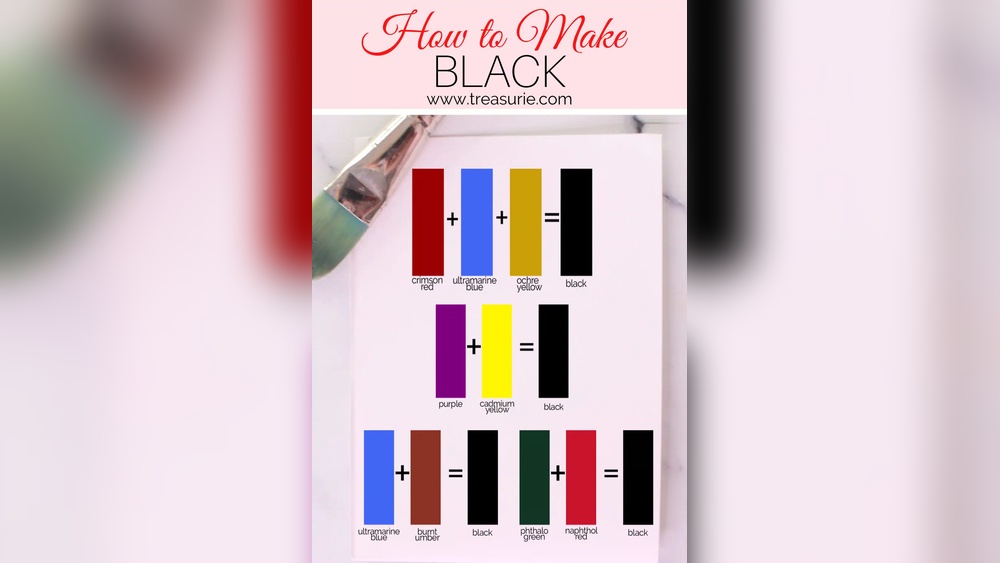
Have you ever wondered how to make the perfect black color right at home or in your art studio? Whether you’re mixing paints for a project or just curious about color creation, knowing how to make black can unlock a whole new level of creativity for you.
Black isn’t just the absence of color—it’s a rich, deep shade that can be crafted using different combinations of colors. You’ll discover simple, effective ways to mix black using basic colors you probably already have. Ready to learn the secrets behind making true black and how slight tweaks can change its tone?
Keep reading, and you’ll master the art of creating black like a pro.
Colors That Make Black
Black is a unique color that cannot be made by mixing just one or two colors. It often requires combining several colors to reach a deep, rich black shade. Understanding which colors to use helps you create black in painting or design.
Using the right colors can give you a near-perfect black. Different color mixes produce different tones of black. Some mixes create a warm black, while others give a cool black.
Which Two Colors Make Black?
True black is hard to make with only two colors. You can get very dark, near-black shades by mixing complementary colors. For example, blue with orange or red with green can create dark, almost black colors. These mixes often look brown or gray but can appear black in certain lights.
Two-color Combinations For A Deep, Dark Shade
- Blue and Orange: Mixing blue with orange, its complementary color, can create black or a very dark brown.
- Red and Green: Mixing red with green, also complementary colors, can result in black or a dark shade close to black.
Three-color Combinations For A Richer Black
Mixing all three primary colors—red, yellow, and blue—can produce a richer black. Start with equal parts of these colors. The result may look muddy or brown at first. Adjust the amounts to get a deeper black tone.
Mixing Two Colors For Dark Shades
Mixing two colors to create dark shades is a simple way to approach black color creation. True black is hard to achieve with only two colors. Yet, combining complementary colors like blue and orange or red and green can yield a very dark, near-black shade. This method is useful for painting or digital art when pure black paint is unavailable.
These combinations work because complementary colors cancel each other’s brightness. The result is a muted, deep tone close to black. Experimenting with the right proportions helps you get the darkest shade possible.
Blue And Orange Combo
Mixing blue and orange creates a rich dark shade. Blue is a cool color, while orange is warm and bright. When combined, they neutralize each other’s intensity.
Use a deep blue like ultramarine or cobalt. Add orange gradually until the mixture turns dark and almost black. This combo often results in a dark brown or charcoal tone. Adjust the mix to find your perfect shade.
Red And Green Combo
Red and green also produce a near-black color. Red is strong and warm, and green is cool and calming. Together, they balance out to a dark hue.
Start with a bright red and a medium green. Mix small amounts to see how the color darkens. This mix usually gives a deep, earthy black or dark olive tone. You can tweak the ratio for a more intense black.
Using Primary Colors To Create Black
Creating black using primary colors is a simple and rewarding process. It involves mixing red, yellow, and blue in various ways. This method helps artists and hobbyists make black paint without buying it. Understanding the basics allows you to control the shade and tone of black you create. Let’s explore how to mix black using primary colors.
Equal Parts Mix
Start by mixing equal amounts of red, yellow, and blue paint. This combination often results in a dark, muddy brown or near-black color. The three primary colors balance each other out and absorb most light, creating a deep shade. Use a palette knife or brush to blend the colors thoroughly. If the result looks too brown, keep adjusting the mix.
Adjusting Proportions
Change the amounts of each color to get a truer black. Add more blue for a cooler black or more red for a warmer tone. Yellow should be used sparingly as it can lighten the mix. Experiment with small amounts to avoid muddy colors. Adjusting proportions helps you find the perfect black for your artwork or project.
Rich Black With Ultramarine And Oxide Red
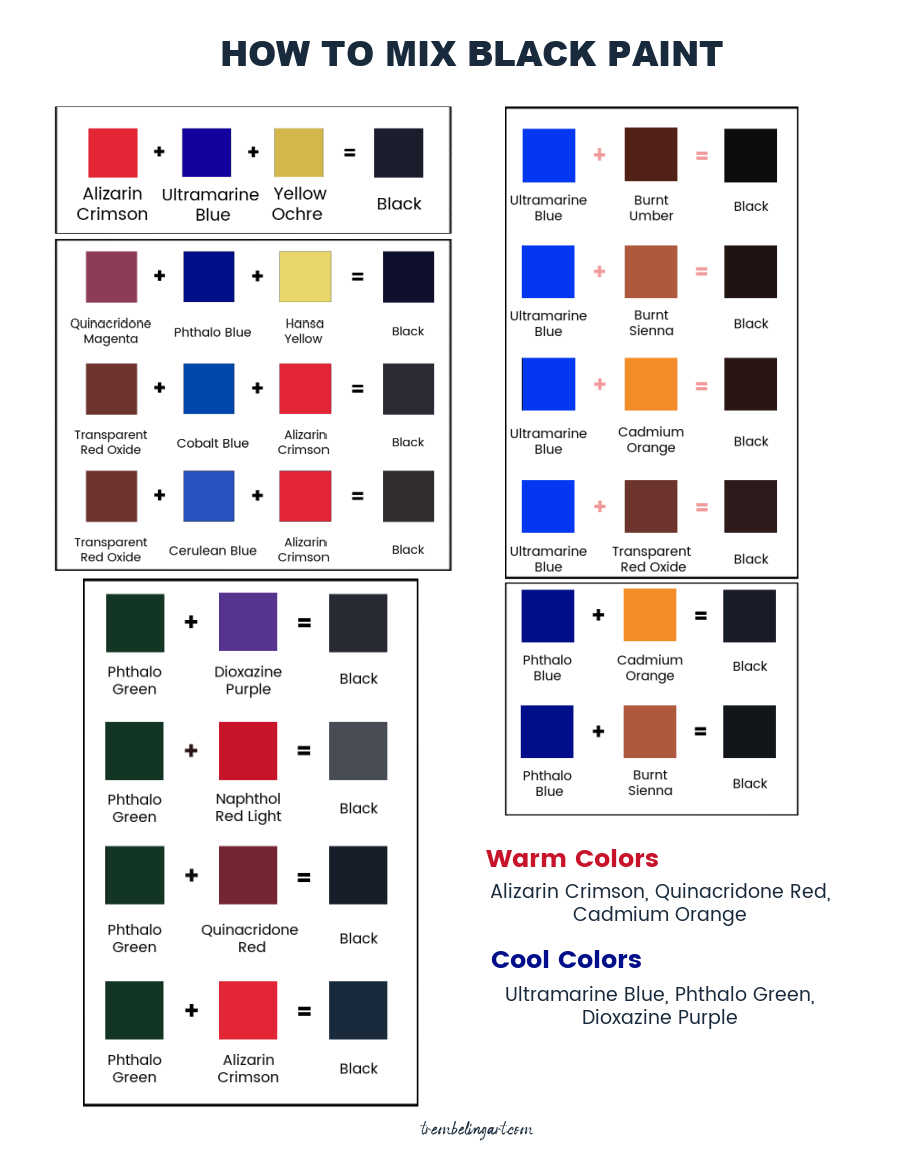
Creating a rich black color using ultramarine and oxide red produces a deep, vibrant black. This method gives more depth than using simple black paint. The combination of these two colors results in a black with a subtle blue and red undertone. Artists favor this mix for its warmth and intensity.
Ultramarine blue adds coolness and depth to the mix. Oxide red brings warmth and earthiness. Together, they balance each other to form a complex black shade. This black looks more natural and less flat than pure black pigments.
What Is Ultramarine Blue?
Ultramarine blue is a deep blue pigment. It has a slight purple tone and is very strong. This color helps to cool down mixes and add richness. It is commonly used in art for skies, shadows, and dark areas.
Role Of Oxide Red In Mixing Black
Oxide red is a warm, earthy red pigment. It helps to add warmth and tone to the black. This color prevents the black from looking too cold or flat. Mixing it with ultramarine blue creates a balanced and rich black color.
How To Mix Ultramarine And Oxide Red For Black
Start with equal parts ultramarine blue and oxide red. Mix them slowly to see the color change. Adjust the ratio by adding more ultramarine for cooler black. Add more oxide red for warmer black. Keep mixing until you reach the desired richness and depth.
Burnt Umber And Ultramarine Blue Mix
Burnt Umber and Ultramarine Blue mix offers a simple way to create a rich, dark color close to black. These two colors work well together because they balance warm and cool tones. The result is a deep, natural shade that looks great in many art projects.
Using this mix gives more control over the final shade. You can adjust the amount of each color to make the black warmer or cooler. This method is perfect for artists who want a black with more depth than plain black paint.
What Is Burnt Umber?
Burnt Umber is a dark brown color with red undertones. It is made by heating raw umber clay. This color adds warmth and earthiness to mixes. It helps to soften the coldness of Ultramarine Blue.
What Is Ultramarine Blue?
Ultramarine Blue is a deep blue with a slightly reddish tint. It is made from a mineral called lapis lazuli. This blue is rich and vibrant, adding coolness to a color mix. It pairs well with warm colors like Burnt Umber.
How To Mix Burnt Umber And Ultramarine Blue
Start with equal parts of Burnt Umber and Ultramarine Blue. Mix the two colors on your palette slowly. Add more Burnt Umber for a warmer black. Add more Ultramarine Blue for a cooler black. Adjust until you reach the shade you want.
Tips For A Perfect Black Mix
Use high-quality paints for the best color mix. Mix small amounts first to test the shade. Let the colors dry before judging the final tone. Add a tiny bit of white if the color is too dark to see clearly. Clean your brush well between mixes to avoid muddy colors.
Credit: trembelingart.com
Tips For Mixing Black Paint
Mixing black paint can seem simple but requires care for the best result. True black paint is not always easy to find or create. Knowing how to mix black paint helps you control the shade and tone. Using the right colors and techniques can produce a deep, rich black. Follow these tips for mixing black paint effectively.
Use Primary Colors For Black
Mix equal parts of red, yellow, and blue paint. These three primary colors combined can create black. Start with small amounts to avoid muddy colors. Adjust the amounts until the black looks right. This method gives you control over the tone and depth of black.
Try Complementary Colors
Mix a pair of complementary colors like blue and orange or red and green. These combinations can produce a very dark shade close to black. Use more of the darker color for a deeper black. This method works well for a near-black effect.
Add A Touch Of Blue Or Green
Add a small amount of blue or green to your black mix. This can give the black a cooler, richer tone. Be careful not to add too much. Too much color changes black into a tinted shade.
Mix Gradually And Test Often
Add colors little by little while mixing. Test the color on paper or canvas as you go. This helps avoid making the black too light or dull. Adjust the mix based on your test results. Patience is key to perfect black paint.
Use High-quality Paints
Choose good-quality paints for better color mixing. Low-quality paints may not blend well or give a true black. Using professional-grade paints improves the color richness. It also helps the paint dry evenly and last longer.
Common Mistakes To Avoid
Mixing black color might seem easy but many make mistakes. These errors affect the final color’s depth and shade. Avoiding them saves time and paint. Knowing common pitfalls improves your mixing skills.
Using Only Two Colors For True Black
Many believe mixing two colors makes perfect black. It does not. Two colors can create dark shades, but not true black. Use three primary colors for a richer black tone. This gives better control over the shade.
Ignoring Color Proportions
Wrong amounts of colors lead to muddy or dull black. Equal parts of red, yellow, and blue often create brown first. Adjust the ratio slowly to reach a deeper black. Small changes make a big difference in shade.
Choosing The Wrong Color Shades
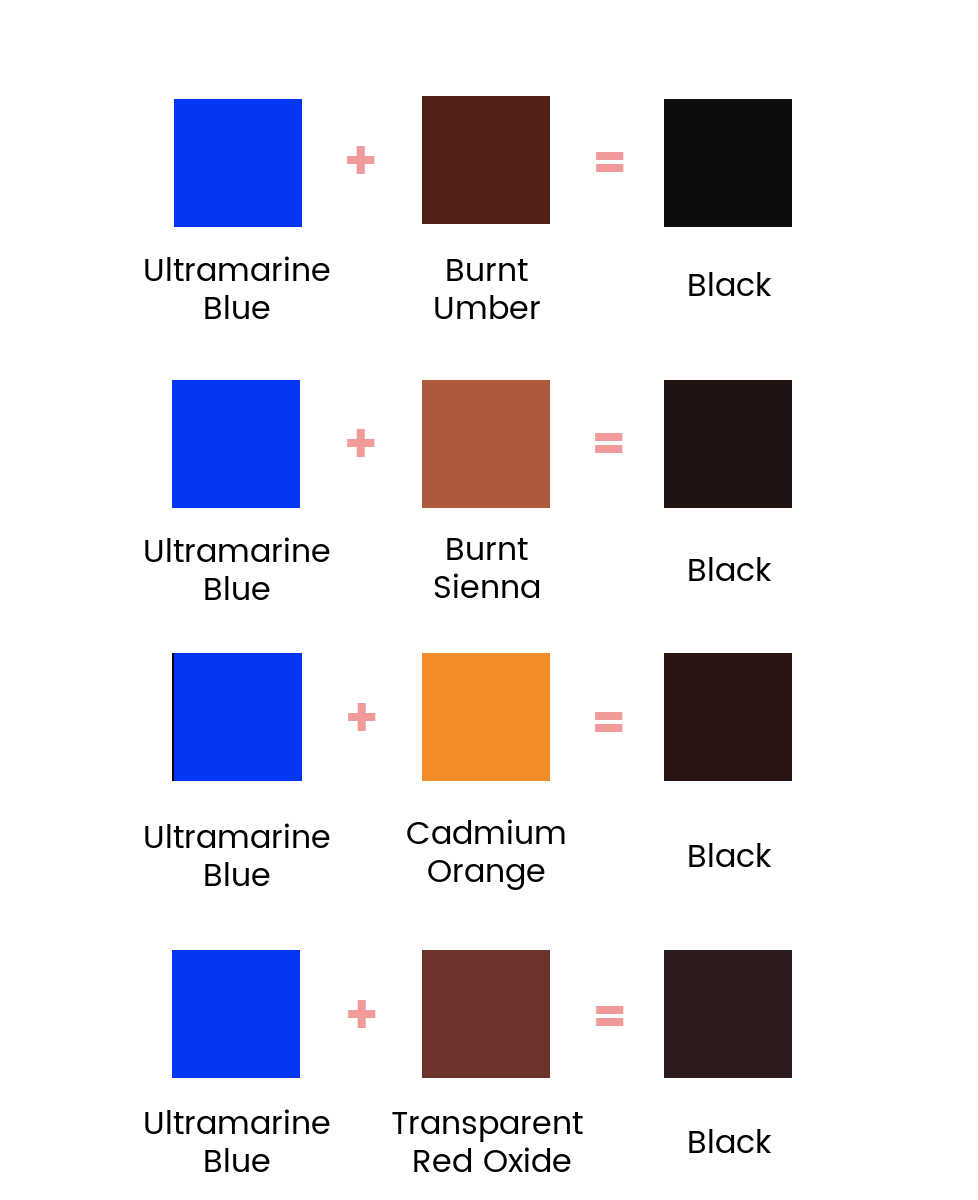
Not all blues, reds, or yellows produce good black. Some shades are too bright or too dull. For example, ultramarine blue and burnt sienna work better than others. Pick colors that blend well for a richer black.
Mixing Without Testing
Skipping test mixes causes surprises in the final paint. Always mix a small amount first. Let it dry to see the true color. This step helps avoid wasting paint and effort.
Overusing Black Paint Instead Of Mixing
Using ready-made black paint limits creativity. Mixing your own black lets you adjust warmth or coolness. It matches your project’s needs better. Experiment with mixing to find your perfect black.
Credit: trembelingart.com
Black Shades From Different Mediums
Adjusting black for warm or cool tones changes its mood and feel. Warm blacks have hints of red, orange, or brown. Cool blacks lean toward blue, green, or purple. Small color tweaks make black fit your artwork or design better. Knowing how to shift black’s tone helps create depth and interest.
Adding Warm Tones To Black
Mix a little red, orange, or brown into black. This adds warmth and makes black feel softer. Warm black works well in cozy or natural themes. Use burnt sienna or a touch of warm red for rich warm blacks. Add colors slowly to keep black dark without losing depth.
Creating Cool Toned Black
Add small amounts of blue, green, or purple to black. Cool black looks sleek and modern. It fits cold or futuristic designs well. Ultramarine blue or deep green can cool down black. Mix carefully to keep black strong and not too bright.
Balancing Warm And Cool Blacks
Mix warm and cool colors in black to find the right balance. This creates unique black shades for different effects. Test on paper or canvas before final use. Adjust the ratio to match the tone you want. Balanced black adds complexity to your color palette.
Adjusting Black For Warm Or Cool Tones
Custom black colors offer unique opportunities for artists and designers. They bring depth and personality that pure black cannot achieve. Mixing your own black shades allows control over tone and mood.
Custom blacks can be warm, cool, or neutral. Each variation changes how the black interacts with other colors. This makes it easier to match specific themes or styles in your work.
Enhancing Visual Depth In Artwork
Using custom black colors adds layers to paintings and drawings. Warm blacks create a cozy, inviting feel. Cool blacks add mystery and calmness. Neutral blacks balance bright and dark areas smoothly.
Creating Unique Textures In Design
Custom black shades help build interesting textures. Slightly tinted blacks emphasize brush strokes or fabric weaves. This technique improves the tactile sense in both digital and physical designs.
Improving Color Harmony In Interiors
Interior designers use custom blacks to match room themes. A black with red undertones suits classic styles. A blue-tinted black fits modern, sleek spaces. This approach makes rooms feel balanced and stylish.
Adding Mood And Atmosphere To Photography
Photographers use custom blacks in editing to set moods. Warmer blacks add richness and nostalgia. Cooler blacks bring a dramatic, moody tone. Adjusting black tones changes the photo’s emotional impact.

Credit: drawlish.com
Frequently Asked Questions
Which Two Colors Make Black?
Mix blue and orange or red and green to create a very dark, near-black color. For richer black, mix ultramarine blue with transparent oxide red or burnt sienna.
What Colors Make Black Coloring?
Mix equal parts of red, yellow, and blue to make black. Combining blue and orange or red and green also creates dark shades near black. For richer black, mix ultramarine blue with transparent oxide red or burnt sienna. Adjust ratios for deeper black tones.
How To Make Mixed Black?
Mix complementary colors like blue and orange or red and green for near-black. For richer black, mix primary colors red, yellow, and blue. Combining ultramarine blue with burnt sienna or transparent oxide red also creates deep black. Adjust proportions to achieve the desired shade.
Do Purple And Blue Make Black?
Purple and blue alone do not make true black. Mixing complementary colors or all primary colors creates a richer black shade.
What Colors Mix To Make Black Paint?
Mixing equal parts of red, yellow, and blue creates black paint.
Can Two Colors Create A True Black Color?
Two colors can’t make true black but can make very dark shades.
Which Two Colors Create A Dark Near-black Shade?
Blue and orange or red and green can make near-black colors.
How To Make Black Paint Using Primary Colors?
Mix red, yellow, and blue in balanced amounts to get black.
What Is The Best Color Mix For Rich Black Paint?
Ultramarine blue combined with burnt sienna or transparent oxide red.
Can Mixing Paint Colors Create Different Black Shades?
Yes, adjusting color amounts can produce various black tones.
Conclusion
Creating black color is simple with the right color mix. Use two complementary colors like blue and orange for a dark shade. Mixing all three primary colors—red, yellow, and blue—gives a richer black. Adjust the amounts to avoid muddy tones.
Experiment with ultramarine blue and burnt sienna for deep black paint. Practice mixing to find the perfect black for your art. Keep trying, and enjoy making your own black color!