Are you curious about whether mushrooms are legal in Colorado? If so, you’re not alone.
With recent changes in laws surrounding psilocybin mushrooms, many people like you want clear answers. Can you possess them? Is it okay to grow them? What about buying or selling? Understanding the current legal landscape is crucial if you want to stay on the right side of the law while exploring your options.
Keep reading to discover exactly what is allowed, what isn’t, and how Colorado’s unique approach to psilocybin mushrooms might affect you.
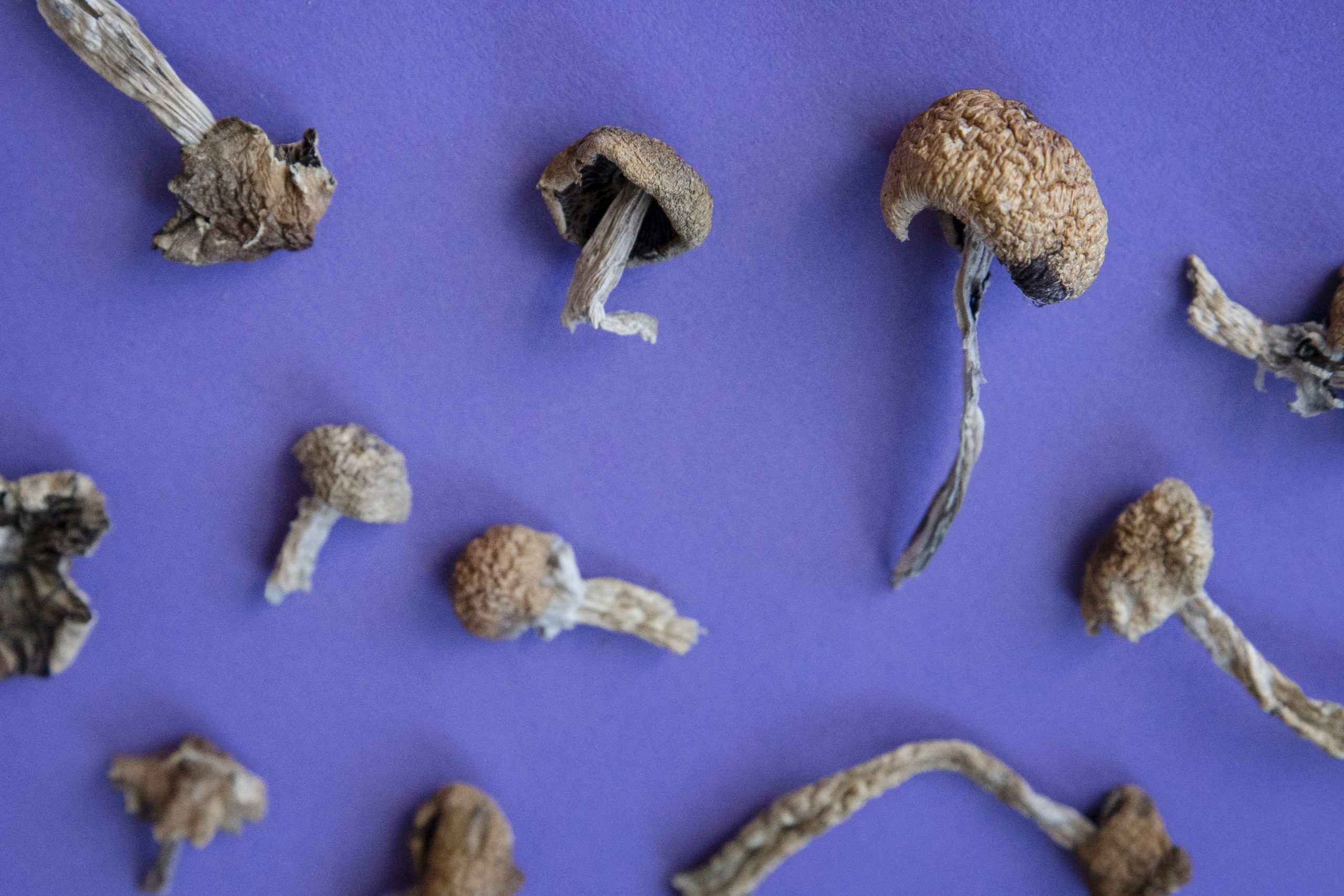
Credit: coloradosun.com
Mushroom Laws In Colorado
Mushroom laws in Colorado have changed significantly in recent years. The state now treats psilocybin mushrooms differently than many others. This shift creates new legal possibilities for adults interested in these natural substances.
Colorado decriminalized psilocybin mushrooms for personal use. Adults can legally possess, grow, and share them. However, strict rules remain about selling or distributing mushrooms.
Mushroom Decriminalization In Colorado
Psilocybin mushrooms are no longer criminal offenses for personal possession. Adults may have small amounts without fear of arrest. This law focuses on reducing penalties for personal use.
Restrictions On Selling Mushrooms
Selling psilocybin mushrooms remains illegal outside licensed programs. Only approved healing centers may legally sell or distribute these mushrooms. Unauthorized sales can lead to criminal charges.
Growing Mushrooms For Personal Use
Growing psilocybin mushrooms at home is allowed for personal use only. This means no commercial cultivation or selling mushrooms without a license. The law encourages responsible personal cultivation.
Supervised Use In Healing Centers
Colorado supports therapeutic use of psilocybin in licensed centers. These centers provide safe, supervised environments for adults. This program is part of state-regulated natural medicine efforts.
Federal Law Vs. State Law
Psilocybin mushrooms are illegal under federal law. They remain a Schedule I controlled substance nationwide. This conflict means federal rules can still apply despite state changes.
Personal Possession Rules
Understanding the personal possession rules for mushrooms in Colorado is important. The state has taken steps to change how psilocybin mushrooms are treated under the law. These rules focus on what adults can legally do with these mushrooms in private settings.
Colorado decriminalized the personal use of psilocybin mushrooms. This means adults can possess, grow, and share them for their own use. The law does not allow selling mushrooms outside licensed centers. It also does not create a broad legal market for sales.
Here are the key points about personal possession rules in Colorado.
Possession Limits For Individuals
Adults 21 and older can possess psilocybin mushrooms for personal use. There is no strict limit on the amount one can have. The law focuses on personal, private possession only. Carrying mushrooms in public spaces may still cause legal issues.
Growing Mushrooms At Home
Growing psilocybin mushrooms at home for personal use is allowed. This supports private use without fear of arrest. Selling home-grown mushrooms remains illegal without a license. Cultivation must stay within personal, non-commercial boundaries.
Sharing Mushrooms Privately
Sharing mushrooms with other adults in private is legal. This includes giving or exchanging small amounts for personal use. Public distribution or selling is not permitted. The law aims to reduce criminal penalties for private sharing.
Restrictions On Selling And Distribution
Selling psilocybin mushrooms is illegal without state approval. Colorado offers licensed healing centers for supervised use and sale. Outside these centers, commercial sales can lead to prosecution. Personal possession laws do not cover sales or public distribution.
Cultivation Regulations
Colorado has changed how it handles psilocybin mushrooms. The state now allows adults to grow these mushrooms. This is only for personal use, not for sale. Growing mushrooms for sale without a license is against the law. This rule aims to keep the market controlled and safe.
People can cultivate mushrooms at home, but must follow specific rules. The mushrooms cannot leave personal property for sale or trade. Sharing is allowed only in small amounts and with adults. This keeps cultivation private and limits commercial misuse.
Personal Cultivation Allowed
Adults 21 and older can grow psilocybin mushrooms. The cultivation is strictly for personal use. No selling or distributing is allowed without a special license. This rule supports safe personal use while restricting illegal sales.
Licensing For Commercial Cultivation
Commercial growing requires a license from the state. Only licensed centers can sell or distribute psilocybin products. These centers follow strict safety and health rules. Licensing helps control the quality and legality of mushrooms sold.
Restrictions On Selling And Sharing
Selling mushrooms without a license is illegal. Sharing is limited to small amounts and only with adults. The law focuses on preventing unregulated sales. These restrictions protect public health and safety.
State-supervised Use Programs
Colorado allows psilocybin use in supervised settings. Licensed centers offer guided sessions for therapy. This is part of the state’s natural medicine program. Supervised use ensures safe and controlled experiences.
Selling And Distribution Limits
Colorado has taken important steps regarding psilocybin mushrooms. The state decriminalized their personal use but has strict rules on selling and distribution. Understanding these limits is key for anyone interested in this topic.
Selling Psilocybin Mushrooms Without A License
It is illegal to sell psilocybin mushrooms in Colorado without proper licensing. Only licensed healing centers may distribute these mushrooms. Selling outside this framework can lead to legal trouble.
Distribution Through Licensed Healing Centers
Licensed healing centers can legally distribute psilocybin mushrooms. They operate under state regulations for safe and supervised use. These centers provide mushrooms only for therapeutic purposes.
Personal Sharing And Gifts
Adults may share psilocybin mushrooms in small amounts for personal use. This sharing must not involve money or trade. It is limited strictly to personal, non-commercial exchanges.
Growing Mushrooms For Personal Use
Growing psilocybin mushrooms at home is allowed for personal use. Selling homegrown mushrooms remains illegal. Cultivation must stay within personal limits and not be distributed commercially.
Medical Use Programs
Medical use programs in Colorado are changing how psilocybin mushrooms are viewed. The state allows regulated access for healing and therapy. These programs focus on safe, supervised use of psilocybin for medical purposes.
Colorado’s laws separate personal use from medical use. Possessing and growing mushrooms for personal use is allowed. Selling mushrooms without a license remains illegal. Licensed healing centers play a key role in medical programs.
State-regulated Healing Centers
Healing centers provide psilocybin in a controlled, therapeutic setting. Patients access mushrooms under supervision from trained guides. These centers focus on mental health and emotional healing. The state monitors these centers to ensure safety and compliance.
Eligibility For Medical Use
Patients must meet specific criteria to join programs. Usually, these include mental health conditions like depression or PTSD. A medical professional must recommend psilocybin therapy. This helps ensure proper use and reduces risks.
Legal Restrictions And Protections
Psilocybin remains a Schedule I drug under federal law. Colorado’s medical programs provide state-level protection for patients and providers. Selling or sharing mushrooms outside licensed centers is illegal. Growing mushrooms for personal medical use is allowed but tightly regulated.
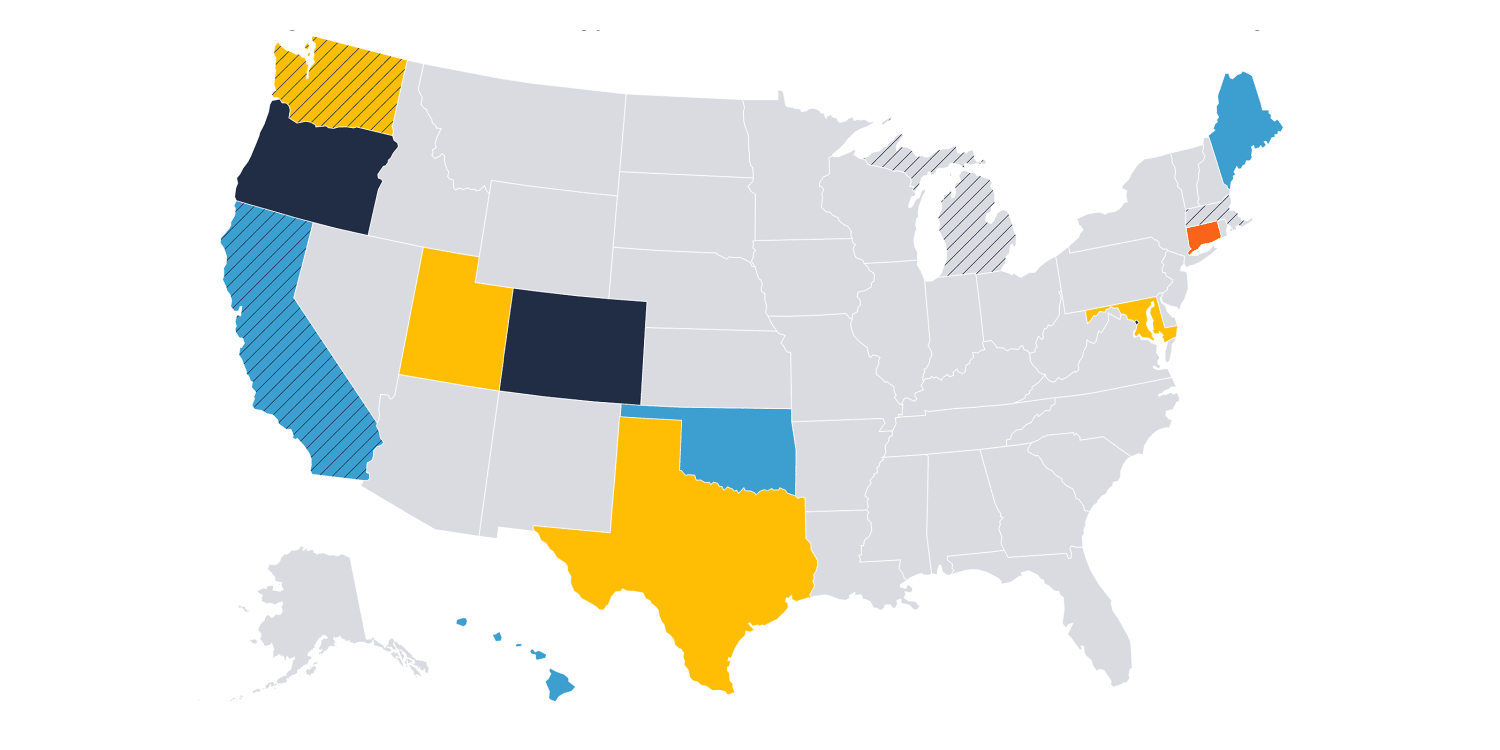
Credit: www.nbcnews.com
Supervised Use Initiatives
The state of Colorado has taken notable steps toward changing how psilocybin mushrooms are viewed and used. One key development is the introduction of supervised use initiatives. These initiatives focus on safe, controlled environments where adults can explore the effects of psilocybin under professional guidance.
Supervised use initiatives are designed to provide access to psilocybin in a legal and safe manner. They aim to reduce risks and support therapeutic benefits. Colorado’s laws allow for these controlled settings, often called healing centers or natural medicine programs.
What Are Supervised Use Initiatives?
Supervised use initiatives allow adults to consume psilocybin mushrooms under the watch of trained staff. These programs focus on safety, education, and health. They often include screening, guidance during use, and follow-up support.
How Do These Programs Work In Colorado?
Colorado permits licensed centers to offer psilocybin sessions. Users must be adults and meet certain health requirements. The process includes preparation, monitored use, and integration sessions. This structure helps users have a positive and safe experience.
Legal Limits And Restrictions
Possession and personal use of psilocybin are decriminalized but selling without a license remains illegal. Only licensed healing centers can legally provide supervised psilocybin experiences. Growing mushrooms for personal use is allowed but selling them is not.
Benefits Of Supervised Use
Supervised use can reduce harm and improve mental health outcomes. It offers a supportive setting for those seeking relief from conditions like depression or anxiety. Professional guidance helps users manage the effects responsibly.
Psilocybin Spores Status
Psilocybin spores hold a unique legal position in Colorado. These spores are the reproductive part of magic mushrooms but do not contain psilocybin themselves. This distinction affects their legal status.
In Colorado, it is legal to buy, sell, and possess psilocybin spores. Many vendors offer spores for research and microscopy purposes. Collectors and hobbyists often purchase spores to study mushroom biology.
The law forbids growing psilocybin mushrooms from these spores unless done within specific licensed programs. Cultivating mushrooms with psilocybin remains regulated and mostly illegal outside those settings.
Legal Purchase And Possession
Psilocybin spores can be legally purchased from specialized shops and online. Buyers must understand spores do not contain illegal substances. Possessing spores alone is allowed under state law.
Restrictions On Cultivation
Growing psilocybin mushrooms from spores is restricted by Colorado law. Only licensed healing centers may cultivate mushrooms for therapeutic use. Unauthorized cultivation can lead to legal trouble.
Use In Research And Education
Researchers use psilocybin spores to study fungal genetics and biology. Educational institutions may also handle spores for scientific purposes. This use is protected under the law.
Federal Law Impact
Federal law classifies psilocybin mushrooms as illegal substances nationwide. Colorado has decriminalized personal use and allows supervised therapy programs. Selling or growing mushrooms without a license remains against the law under both federal and state rules.
The legal status of mushrooms in Colorado is affected by federal law. Psilocybin mushrooms remain illegal under federal regulations. They are classified as Schedule I substances. This classification means they have a high potential for abuse and no accepted medical use.
Because federal law prohibits psilocybin, possession or sale can lead to federal charges. This applies even if state laws allow personal use or decriminalization. Federal law supersedes state law in these cases.
Law enforcement may still enforce federal drug laws in Colorado. This creates a legal risk for those possessing or distributing mushrooms. The federal stance keeps the legal environment uncertain and complex.
Schedule I Classification
Psilocybin mushrooms are listed as Schedule I drugs by the DEA. This classification is the most restrictive under the Controlled Substances Act. Schedule I drugs are illegal to possess, use, or distribute nationwide.
The federal government views these substances as dangerous and without medical benefit. This status blocks legal sales or widespread medical use. It also limits research opportunities and funding.
Conflict Between State And Federal Laws
Colorado’s laws on mushrooms conflict with federal rules. The state has decriminalized personal use and allows certain therapeutic programs. Yet, federal law still bans all psilocybin activities.
This conflict causes confusion for residents and law enforcement. Federal agencies can intervene despite state permissions. Individuals must understand this risk before using or growing mushrooms.
Implications For Users And Businesses
Users in Colorado face federal risks despite state protections. Federal authorities may prosecute possession or distribution at any time. Businesses cannot legally sell psilocybin mushrooms outside regulated programs.
Licensed healing centers operate under state regulations but remain vulnerable to federal action. This limits the growth of a legal market and access to psilocybin therapies.
Comparison With Other States
Colorado’s approach to mushrooms stands out in the United States. The state has decriminalized psilocybin mushrooms for personal use. This means adults can possess, grow, and share them without facing criminal charges. Selling mushrooms remains illegal unless done through licensed healing centers. This creates a limited but legal framework around psilocybin.
Other states have taken different paths. Some only decriminalize mushrooms in specific cities or counties. Others have no legal protections and still treat mushrooms as fully illegal. Understanding these differences helps to see where Colorado fits in the national picture.
States With Decriminalization
Several states have decriminalized psilocybin mushrooms, but often only in certain places. For example, Oregon allows supervised use and has started a regulated market. Cities in Michigan, Washington, and Massachusetts have decriminalized possession. These local laws reduce penalties but do not create full legal markets.
States Without Legal Protections
Many states still classify psilocybin mushrooms as illegal substances. Possession, cultivation, or sale can lead to criminal charges. These states follow federal law closely. Colorado’s decriminalization is more progressive compared to these states.
States With Medical Or Therapeutic Programs
Some states have introduced medical or therapeutic programs for psilocybin. Oregon leads with a licensed therapy program where trained facilitators administer mushrooms. Colorado is moving in this direction with healing center programs. These efforts focus on safe, supervised use rather than recreational sale.
Future Legal Developments
The future of mushroom laws in Colorado shows signs of change. The state is moving towards clearer rules for psilocybin mushrooms. These changes focus on safe use and controlled access.
Colorado plans to expand its healing center program. This will allow more licensed centers to offer supervised psilocybin therapy. This step aims to help people with mental health conditions.
Expansion Of Licensed Healing Centers
More healing centers will open across Colorado soon. These centers will provide safe spaces for psilocybin use. They must follow strict state rules and guidelines. This expansion helps regulate the market and protect users.
Possible Changes In Personal Use Laws
Lawmakers are discussing clearer rules for personal use. This could include limits on how much one can grow or possess. The goal is to prevent misuse while respecting personal freedom. Updates may bring more clarity to current laws.
Federal laws still classify psilocybin as illegal. This creates tension with Colorado’s relaxed rules. Future federal changes could affect state laws. Advocates are pushing for federal reclassification to ease restrictions nationwide.
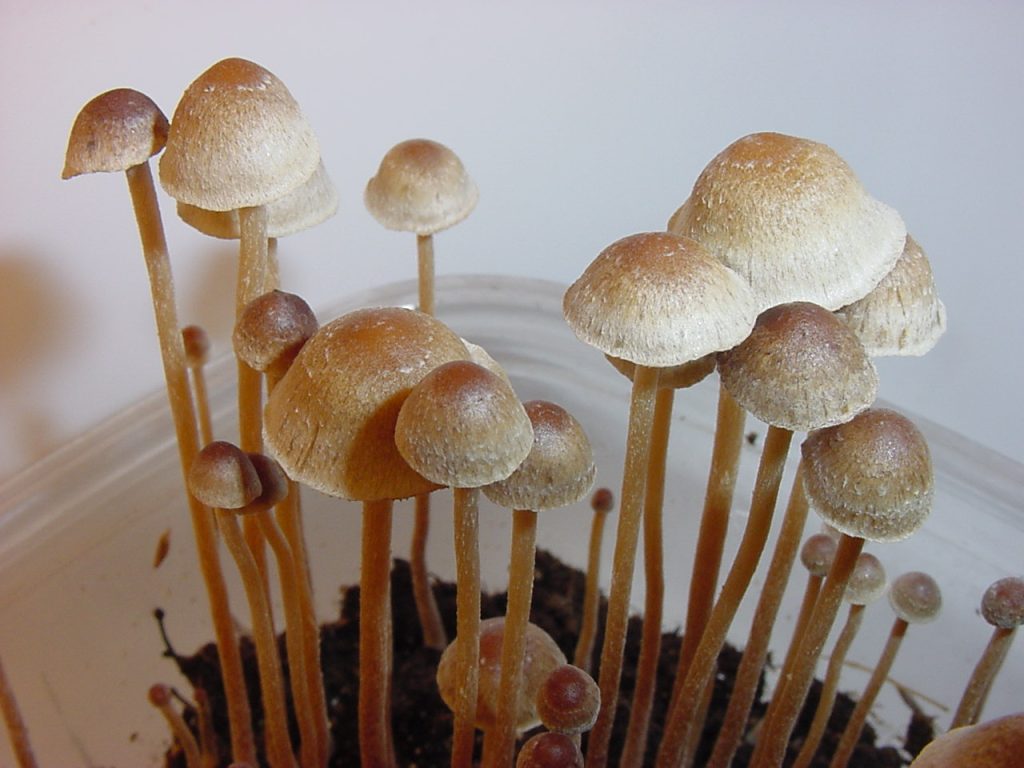
Credit: www.postindependent.com
Frequently Asked Questions
Can You Buy Mushrooms At A Dispensary In Colorado?
You cannot buy psilocybin mushrooms at dispensaries in Colorado. Personal use and possession are decriminalized, but sales remain illegal.
Are Recreational Mushrooms Legal In Colorado?
Recreational psilocybin mushrooms are decriminalized for personal use in Colorado. Selling them remains illegal without a licensed healing center. The state allows supervised, therapeutic use through regulated programs. Cultivation for personal use is permitted, but commercial sale or distribution is prohibited.
What States Where Mushrooms Are Legal?
Psilocybin mushrooms are decriminalized or legal for personal use in Colorado, Oregon, Washington D. C. , and some cities in Massachusetts and Michigan. Selling remains mostly illegal except in regulated therapeutic programs. Always check local laws before possession or use.
Can You Find Mushrooms In Colorado?
Yes, you can find and legally possess psilocybin mushrooms for personal use in Colorado. Selling them remains illegal.
Are Psilocybin Mushrooms Legal For Personal Use In Colorado?
Psilocybin mushrooms are decriminalized for adults’ personal use and possession in Colorado.
Can You Legally Grow Mushrooms At Home In Colorado?
Yes, adults can legally grow psilocybin mushrooms for personal use only.
Is It Legal To Sell Psilocybin Mushrooms In Colorado?
Selling psilocybin mushrooms is illegal without a license from Colorado’s healing center program.
Are There Licensed Centers For Psilocybin Use In Colorado?
Yes, state-licensed healing centers offer supervised psilocybin use in Colorado.
Can Tourists Legally Buy Mushrooms In Colorado Dispensaries?
No, psilocybin mushrooms cannot be legally purchased in dispensaries by tourists.
What Penalties Exist For Illegal Psilocybin Sales In Colorado?
Illegal sales can lead to fines, criminal charges, and possible jail time.
Conclusion
Mushrooms with psilocybin are decriminalized in Colorado for personal use. Adults can grow and possess them but cannot sell without a license. The state allows supervised use through licensed healing centers only. Federal law still bans psilocybin mushrooms nationwide. Buying and selling spores is legal in Colorado.
Always follow local laws to avoid trouble. Understanding these rules helps you stay safe and informed. Colorado’s approach is cautious but open to change. Stay updated as laws may evolve over time.