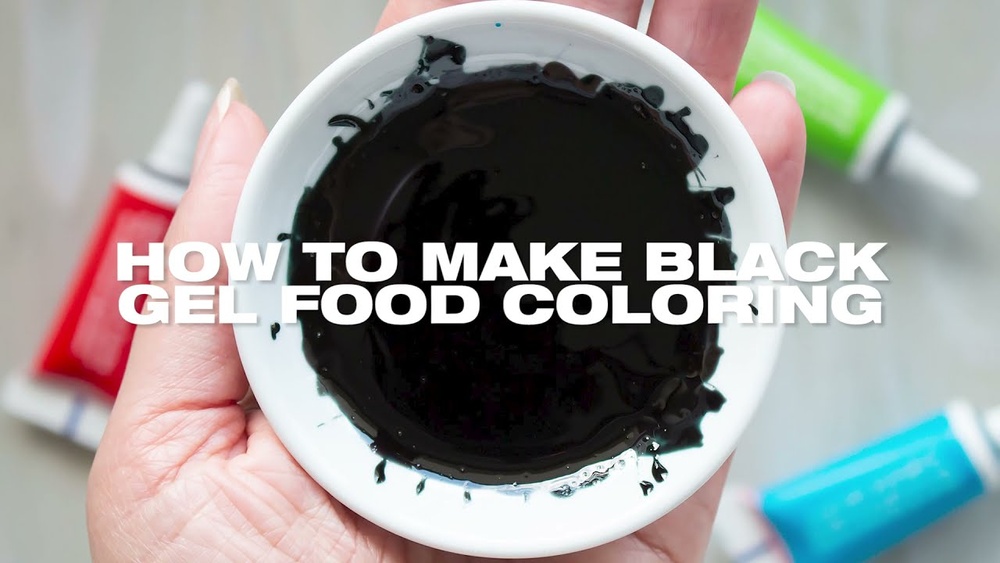
Are you wondering how to get the perfect black shade with food coloring? Whether you’re decorating a cake, making frosting, or coloring dough, achieving a deep, true black can be tricky.
You might have tried adding just one color and ended up with a muddy or dull tone instead. But don’t worry—by mixing the right colors in the right way, you can create a rich, vibrant black that makes your treats stand out.
You’ll learn simple, step-by-step methods to make black food coloring at home using common colors and even some natural ingredients. Keep reading to discover the secrets behind that perfect black shade and impress everyone with your baking skills!
Primary Colors For Black
Creating black with food coloring starts with understanding primary colors. Red, blue, and green are the key colors used to make black. Mixing these colors in the right amounts produces a deep, rich black.
Each primary color adds its own tone to the mix. Balancing them correctly is essential for a true black shade. Experimenting with small amounts helps find the perfect combination.
Mixing Primary Colors
Begin with equal parts of red, blue, and green food coloring. Use gel or paste types for better results. Liquid colors may add too much moisture to your recipe.
Add more red and a little green to darken the color. If the mix looks green, add a drop of red. If it looks too red, add a drop of blue. Keep adjusting until you get the desired black.
Using Black Cocoa Powder
Black cocoa powder is another way to create black in food. Mix it directly into your recipe for a natural black color. This adds a subtle chocolate flavor to your dish.
For an even darker look, add a few drops of black food coloring. This combination gives a rich, deep black color perfect for cakes and frostings.
Balancing Red, Blue, And Green
Balancing red, blue, and green is key to making black with food coloring. These three colors combine to form black when mixed in the right amounts. The balance controls the shade and depth of black you get.
Start by mixing equal parts of red, blue, and green food coloring. This creates a base color close to black but often looks dark gray or muddy. Adjusting the ratios helps reach a true black shade.
Mixing Primary Colors
Mix equal amounts of red, blue, and green food coloring in a small bowl. Stir well to blend the colors thoroughly. The mix may look dark gray at first.
Add a little more red to warm the color. Then add a small drop of green to balance the warmth. If the color looks too red, add a drop of blue to cool it down. Keep adjusting in tiny amounts until you see a deep black.
Gel or paste food coloring works best for this. Liquid coloring adds too much moisture, which can affect your recipe’s texture.
Using Black Cocoa Powder
Black cocoa powder offers a natural way to darken food. Mix it into your recipe for a rich black color. This also adds a subtle chocolate flavor.
For a deeper black, add a few drops of black food coloring along with the cocoa powder. This method works well for cakes and frostings that benefit from a cocoa taste.
This approach is great if you want black food coloring with a hint of flavor and a natural look.
Using Gel And Paste Food Coloring
Using gel and paste food coloring is a popular way to create deep, rich black shades for baking and decorating. These types of food coloring are highly concentrated, which means a little goes a long way. They also do not add extra liquid to your mixture, keeping the texture perfect.
Gel and paste food colors blend well with other colors. They allow better control over the shade. You can mix small amounts to reach the exact black tone you want.
Choosing The Right Gel Or Paste Food Coloring
Pick a gel or paste food coloring that is vibrant and thick. Look for brands that offer pure, intense colors. These will give a strong base for making black.
Some brands label their black food coloring as “intense” or “professional.” These tend to have better color payoff and longer shelf life.
Mixing Colors To Make Black
Start by mixing equal parts of red, blue, and green gel or paste colors. Stir well to combine them evenly.
Add a little more red to warm the color. Add a drop of blue if the color looks too red.
Adjust with tiny amounts until you get a true black. Avoid adding too much at once to prevent unwanted shades.
Tips For Using Gel And Paste Food Coloring
Use a toothpick or small spoon to add color gradually. This prevents over-darkening your mixture.
Mix colors thoroughly to see the true shade. Colors may look different when wet.
Store unused gel or paste food coloring in a cool, dry place. Seal containers tightly to keep the color fresh.
Correcting Color Tints
Correcting color tints is important when making black with food coloring. Sometimes the black mixture may have unwanted shades like green, red, or blue. Fixing these tints helps you get a pure, deep black color. Small adjustments can make a big difference in the final look.
Identify The Dominant Tint
Look closely at your black mixture. Notice if it has a green, red, or blue tint. This step is key before making changes. Knowing the dominant color helps you decide which color to add next.
Add Opposite Colors To Balance
If the black looks too green, add a small drop of red. Too much red? Add a bit of blue or green. Blue tint? Add a little red. Add colors slowly to avoid overcorrecting. Mix well after each addition and check the color again.
Use Gel Or Paste Food Coloring
Gel and paste colors are stronger and easier to control. They help you adjust tints without adding too much liquid. Liquid food coloring can dilute your mixture and change the texture of your recipe.
Test Color On White Surface
Put a small amount of the mixture on a white plate or paper. This helps you see the true color. Lighting can affect how colors look in the bowl. Testing ensures the black is the shade you want before using it in your food.
Black Cocoa Powder Method
The Black Cocoa Powder Method offers a natural way to achieve a deep black color in your recipes. It uses black cocoa powder, which has a rich dark hue and intense chocolate flavor. This method works well for baked goods and frostings, giving both color and taste.
Black cocoa powder is a type of cocoa that is heavily Dutched. The process reduces acidity and darkens the powder. It creates a nearly black color, unlike regular cocoa powder that is brown.
How To Use Black Cocoa Powder For Black Coloring
Start by replacing some or all of the regular cocoa powder in your recipe with black cocoa powder. Use the same amount or slightly less, as black cocoa powder can be more intense. Mix it well with your dry ingredients to spread the color evenly.
Enhancing The Color With Food Coloring
To deepen the black shade, add a few drops of black gel food coloring. This step is optional but helps achieve a more vibrant black. Mix the food coloring thoroughly into the batter or frosting for uniform color.
Flavor Considerations Of Black Cocoa Powder
Black cocoa powder has a bold chocolate taste that is less bitter than natural cocoa. It adds richness to your recipe. Keep this in mind when combining it with other flavors to maintain balance.
Best Recipes For Black Cocoa Powder Method
This method works great in chocolate cakes, cookies, and buttercream frostings. It is ideal when you want natural color with a chocolate twist. Use it in recipes where dark chocolate flavor is welcome.

Credit: www.youtube.com
Complementary Color Combos
Mixing blue and brown food coloring is a simple way to create a rich black shade. This method blends the cool tone of blue with the warm, earthy brown. The result is a deep, dark color perfect for many recipes and decorating needs.
Start with equal parts of blue and brown food coloring. Stir them well to see the color change. The mixture usually appears very dark but not pure black yet.
You can adjust the shade by adding more blue or brown. Adding extra blue deepens the cool tone. Adding more brown warms the color and makes it softer.
Use gel or paste food coloring for the best results. These types provide stronger colors without adding too much liquid. Liquid food coloring may thin your mixture and change texture.
Choosing The Right Blue And Brown Shades
Select a bright blue and a dark brown. Bright blue helps balance the darkness of brown. Dark brown adds depth and richness to the mix. Avoid light or faded colors for better black results.
How To Mix Blue And Brown Properly
Use a small bowl for mixing. Add equal drops of blue and brown. Stir gently but thoroughly. Watch the color change as you mix. Add small amounts of color at a time to control the shade.
Adjusting The Black Shade
If the color looks too blue, add a drop of brown. If it looks too brown, add a drop of blue. Mix again and check the color. Repeat until you get the perfect black tone.
Mixing Blue And Brown
Making black with food coloring can be tricky. Many beginners face common errors that affect the color quality. Avoiding these mistakes leads to a rich, true black shade. Understanding these pitfalls helps you save time and ingredients.
Use Gel Or Paste Food Coloring
Liquid food coloring adds too much water. This thins out your batter or icing. Gel or paste colors offer deeper hues. They blend better and keep your mix thick.
Mix Colors Gradually
Adding too much color at once causes uneven shades. Start with small amounts of red, blue, and green. Mix well, then add more if needed. This helps control the final black tone.
Avoid Overmixing
Overmixing can lighten the color or cause separation. Stir gently until the color is even. Stop mixing once the black shade appears consistent.
Check Lighting Conditions
Color looks different under various lights. Check your food coloring in natural daylight. This prevents surprises when serving or photographing your creation.
Credit: blog.wilton.com
Avoiding Common Mistakes
Testing and adjusting shades is a key step in making black with food coloring. It helps achieve the perfect deep black tone. Small changes in color amounts can greatly affect the final shade.
Testing your mixture in small batches saves ingredients and time. Use a white plate or bowl to see the true color. Let the color sit for a few minutes; it can change slightly as it dries.
Testing Your Black Food Coloring
Start by mixing equal parts red, blue, and green food coloring. Stir well to blend the colors evenly. Place a small amount on a white surface to check the shade.
Observe the color carefully. If it looks muddy or dull, it needs adjustment. Note how the color appears under different lights, like natural and artificial light.
Adjusting The Shade To Get True Black
Add more red if the color looks too greenish. Add a drop of blue if it appears too red or purple. Mix well after each addition and retest the shade.
Gel or paste food coloring works best for deep black. They provide strong color without adding too much liquid. Liquid food coloring can thin the mixture and reduce color intensity.
Final Tips For Perfect Black
Test multiple small samples before mixing the full batch. Allow the color to dry slightly to see the true shade. Make small changes and mix thoroughly after each adjustment.
Patience is important. Black color often needs fine-tuning for the best result. Keep notes of your mixtures for future reference.
Testing And Adjusting Shades
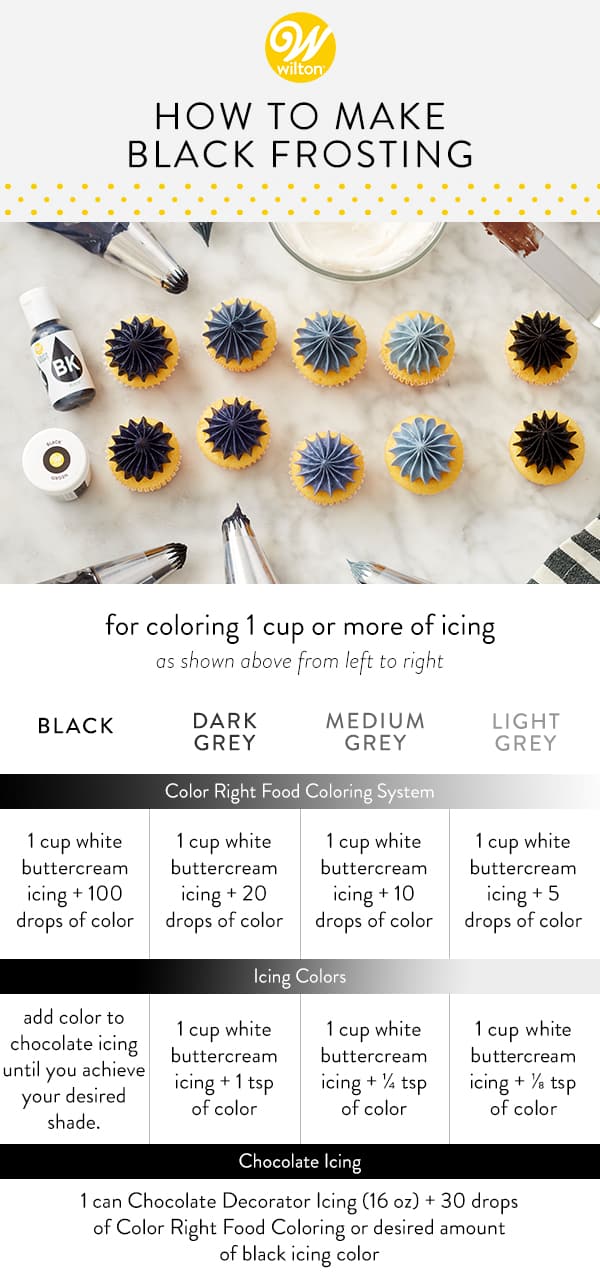
Creating dark buttercream can be tricky. It needs deep, rich color without changing texture or taste.
Using the right techniques helps achieve a smooth, black buttercream that looks professional.
Choose Gel Or Paste Food Coloring
Gel and paste colors are more concentrated than liquid types. They give stronger color with less moisture.
This keeps buttercream thick and easy to pipe. Use small amounts and add gradually.
Start With A Dark Base
Begin with chocolate or black cocoa powder in your buttercream. It creates a natural dark base.
Then add black food coloring to deepen the shade. This method enhances flavor and color.
Mix Colors Carefully
Mix red, blue, and green gel colors in equal parts to get black. Adjust with more red or blue.
Add colors slowly and test often. This avoids wasting food coloring and helps reach the perfect black.
Chill Buttercream Between Coloring
Chill buttercream in the fridge after adding color. Cold buttercream holds color better and is easier to handle.
Rewhip lightly before using. This restores smooth texture for decorating.
Use Small Batches
Color a small amount first to test your black shade. Make adjustments before coloring the full batch.
This prevents mistakes and saves ingredients.

Credit: www.lilaloa.com
Frequently Asked Questions
What Food Coloring Colors Make Black?
Mix equal parts red, blue, and green food coloring for black. Adjust with more red and a little green or blue. Gel or paste colors work best. Alternatively, use black cocoa powder with dark food coloring for a chocolate black shade.
What Colors Make Black?
Mix equal parts of red, blue, and green to create black. Adjust with more red or blue for a deeper shade. Alternatively, blend complementary colors like blue and orange or use black cocoa powder for food coloring.
How To Make Dark Black Icing With Food Coloring?
Mix equal parts red, blue, and green gel food coloring. Add more red and a drop of green or blue to deepen the black shade. Use gel or paste coloring for best results and avoid too much moisture.
How To Make Black Food Coloring Ratio?
Mix equal parts red, blue, and green food coloring. Add more red and a little green to deepen the black shade. Use gel or paste colors for best results.
What Colors Combine To Make Black Food Coloring?
Mix equal parts of red, blue, and green food coloring to start.
How Can I Adjust Food Coloring To Get True Black?
Add more red and a little green or blue to deepen black.
Which Type Of Food Coloring Works Best For Black?
Gel or paste food coloring works best; liquid can add too much moisture.
Can Black Cocoa Powder Help Make Black Food Coloring?
Yes, mixing black cocoa powder adds color and a chocolate flavor.
How Much Food Coloring Should I Use For Black Icing?
Start with small equal parts, then adjust slowly to avoid overpowering.
Will Mixing Primary Colors Always Create A Perfect Black?
Not always; adjustments with red, green, or blue improve the shade.
Conclusion
Creating black with food coloring is simple and fun. Start by mixing equal parts red, blue, and green colors. Add more red or green to adjust the shade. Use gel or paste colors for better results. You can also try black cocoa powder for a rich, chocolatey black.
Test your mix on a small amount before using it fully. With these easy steps, your black food coloring will look perfect every time. Experiment and enjoy making your food bright and colorful.