Have you ever wondered why leaves change color as the seasons shift? One day they’re green and vibrant, and the next, they burst into brilliant reds, oranges, and yellows.
This fascinating transformation isn’t just a beautiful sign of fall—it’s a natural process that tells an important story about how trees prepare for winter. Understanding why leaves change color can deepen your appreciation for nature’s rhythms and even inspire you to notice the subtle changes happening all around you.
Keep reading, and you’ll discover the simple science behind this colorful magic and how it connects to the life of the trees you see every day.
Leaf Pigments And Their Roles
Leaves show their colors because of pigments inside them. These pigments give leaves their green, yellow, orange, red, and purple shades. Each pigment plays a role in how leaves look during different seasons. Understanding these pigments helps explain why leaves change color in the fall.
Chlorophyll: The Green Pigment
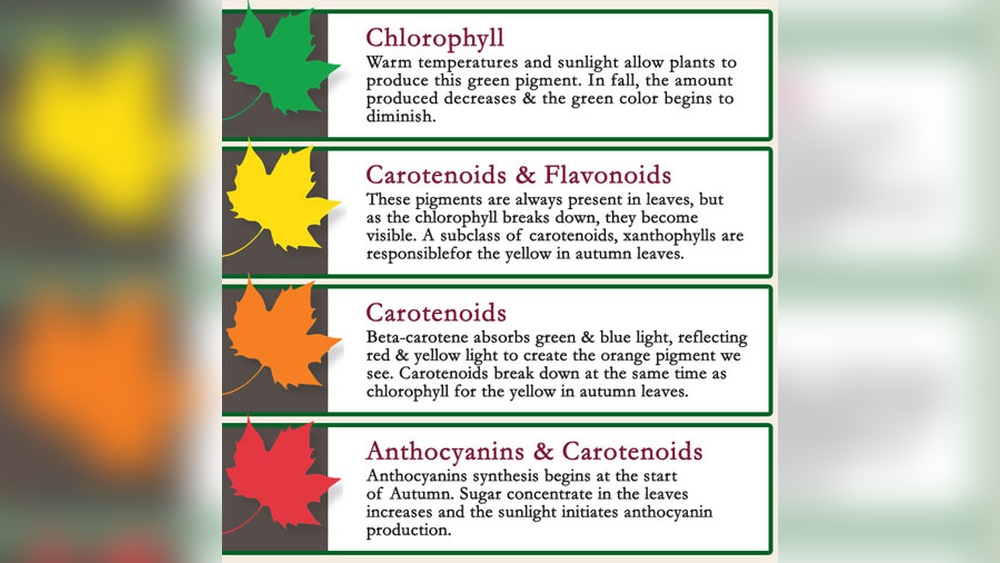
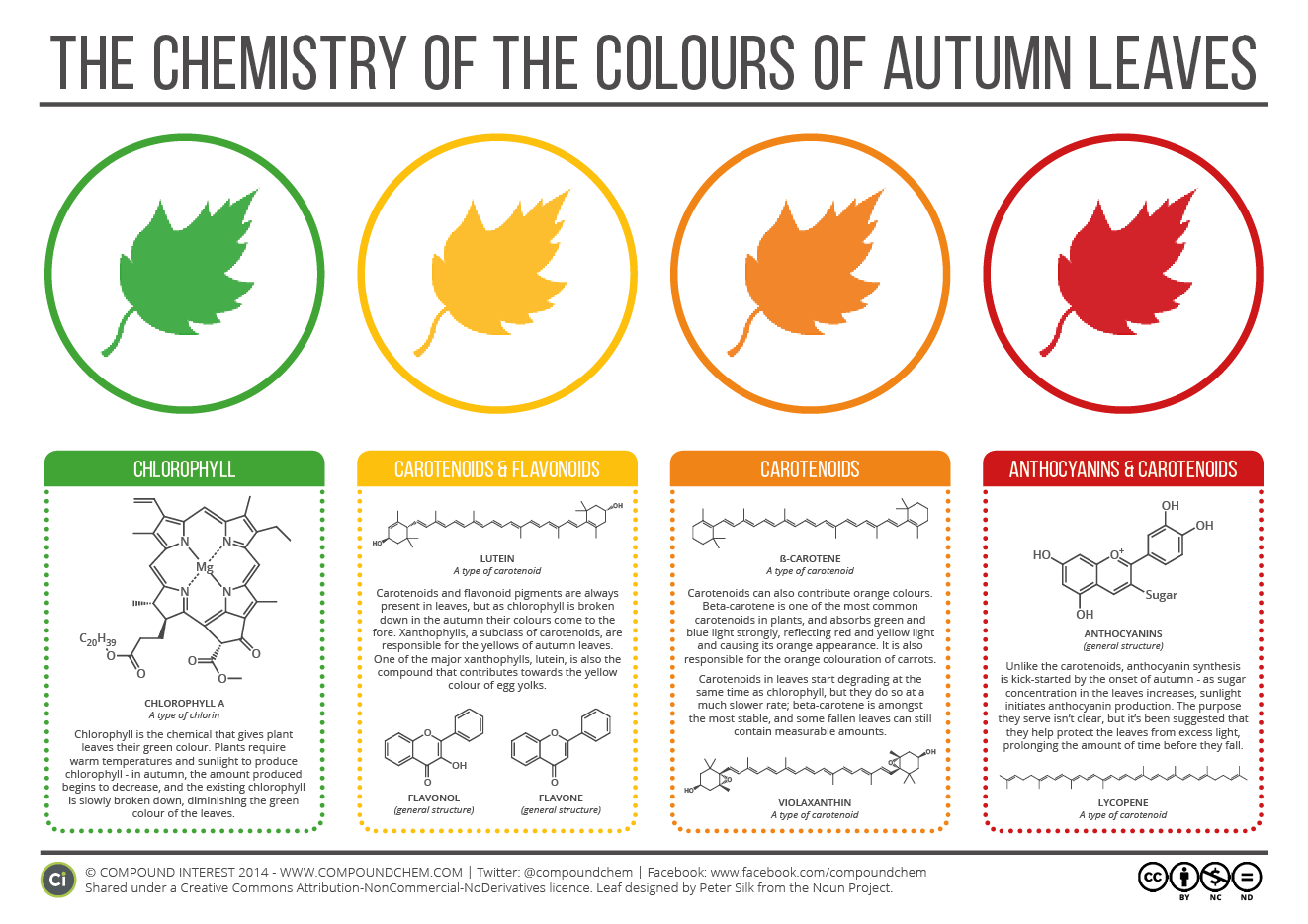
Chlorophyll is the most common pigment in leaves. It helps plants make food by capturing sunlight. This pigment makes leaves look green all spring and summer. As days get shorter and cooler, trees stop making chlorophyll. The green color fades away, letting other pigments show.
Carotenoids: Yellow And Orange Colors
Carotenoids are pigments that create yellow and orange colors. Leaves always have carotenoids, but they are hidden by green chlorophyll. When chlorophyll breaks down, carotenoids become visible. These pigments give leaves their bright yellow and orange tones in the fall. Carotenoids also help protect leaves from damage.
Anthocyanins: Red And Purple Shades
Anthocyanins are pigments that appear only in fall. Trees make anthocyanins as chlorophyll disappears. These pigments give leaves red, purple, and blue colors. The amount of anthocyanins depends on the tree species and weather. Bright sunny days and cool nights help produce more anthocyanins. They protect leaves by acting like sunscreen.
Chlorophyll’s Green Fade
Leaves wear their green coat thanks to chlorophyll. This pigment helps trees make food using sunlight. As fall nears, days grow shorter and cooler. Trees slow down and stop making chlorophyll. Without fresh chlorophyll, the green color fades away.
This fading of chlorophyll is the first step in the color change. It uncovers other pigments hidden in the leaf all year. The shift in color signals the start of autumn’s beautiful display.
Chlorophyll Breaks Down
In spring and summer, chlorophyll is strong and bright. It masks other pigments with its green shade. When daylight shrinks, trees stop producing chlorophyll. The existing chlorophyll breaks down and disappears. This loss causes the leaf to lose its green color.
Carotenoids Become Visible
Leaves hold pigments called carotenoids all year. These pigments show yellow and orange colors. Carotenoids are also found in carrots and corn. When chlorophyll fades, carotenoids shine through. This is why leaves turn golden or orange in fall.
Anthocyanins Appear In Some Leaves
Not all pigments are always present in leaves. Some trees create anthocyanins as chlorophyll fades. These pigments add red and purple hues. Anthocyanins form due to sugar buildup in leaves. They give bright reds and purples to fall foliage.
Carotenoids Revealed
Carotenoids play a key role in the beautiful colors of autumn leaves. These pigments are present in leaves all year but stay hidden by green chlorophyll. When chlorophyll fades in fall, carotenoids shine through. They give leaves their bright yellow and orange hues. Understanding carotenoids helps explain why leaves change color.
What Are Carotenoids?
Carotenoids are natural pigments found in plants. They absorb sunlight to help with photosynthesis. These pigments produce yellow, orange, and brown colors in leaves. Carotenoids are also in carrots, pumpkins, and corn. They protect leaves from damage during the growing season.
How Carotenoids Become Visible
During spring and summer, chlorophyll masks carotenoids with green color. As days shorten and temperatures drop, chlorophyll production stops. The green pigment breaks down and fades away. This reveals the carotenoids that were there all along. The bright yellows and oranges appear clearly on the leaves.
Why Carotenoids Matter In Fall
Carotenoids provide important benefits to trees. They help absorb excess sunlight and protect leaf cells. The colors produced by carotenoids signal the change of season. They also contribute to the variety of colors seen in fall foliage. Without carotenoids, autumn leaves would not be so vibrant.
Anthocyanins And Their Colors
Anthocyanins are special pigments that appear in leaves during autumn. They give leaves bright red, purple, and blue colors. These colors add beauty to fall landscapes and make leaf color changes more vibrant.
Unlike carotenoids, which are always present in leaves, anthocyanins form only in the fall. Trees produce anthocyanins as chlorophyll fades. This process depends on sunlight and sugar levels in the leaf.
What Are Anthocyanins?
Anthocyanins are water-soluble pigments found in leaf cells. They belong to a group called flavonoids. These pigments protect leaves from damage caused by sunlight and cold temperatures. They also help trees recover nutrients before leaves fall off.
How Anthocyanins Produce Color
The color of anthocyanins depends on the leaf’s pH level. Acidic leaves show red colors. Neutral pH makes purple shades. Alkaline leaves produce blue hues. This explains why different trees show various colors in autumn.
Why Do Trees Make Anthocyanins?
Trees create anthocyanins to protect leaves in autumn. These pigments shield leaves from harmful light. They also reduce water loss during cool, dry fall days. This helps trees save energy and nutrients before winter.
Which Trees Produce Anthocyanins?
Some trees make more anthocyanins than others. Maples are known for bright red leaves. Oaks and dogwoods can show deep reds and purples. The amount of sunlight and temperature changes affect the pigment production.
Impact Of Daylight And Temperature
The changing color of leaves marks the shift from summer to fall. This change happens because of daylight and temperature. Both factors affect how leaves produce pigments and prepare for winter. Understanding this helps explain why leaves show such bright colors in autumn.
Shorter Daylight Hours Signal Change
As summer ends, daylight hours become shorter. Trees sense less sunlight each day. This tells them to slow down chlorophyll production. Chlorophyll is the green pigment that helps leaves make food. Without new chlorophyll, the green color fades away. This reveals other pigments in the leaves.
Cooler Temperatures Affect Pigment Production
Temperature drops in fall also impact leaf color. Cool nights and warm days help produce anthocyanins. These pigments give leaves red and purple shades. If nights are too warm, less anthocyanin forms. Early frost can stop pigment production and cause leaves to die quickly.
Combined Effects Create Vibrant Colors
The mix of shorter days and cooler temps creates ideal conditions. Chlorophyll breaks down, and carotenoids show yellow and orange hues. At the same time, anthocyanins develop in some trees. This combination makes fall leaves bright and colorful. Each season’s unique weather shapes the final display.

Credit: sciencebob.com
Photosynthesis Slowdown
Leaves change color because photosynthesis slows down in fall. Photosynthesis is the process plants use to make food using sunlight. As days grow shorter and temperatures drop, trees reduce their food production. This change causes the green pigment in leaves to fade.
The green color in leaves comes from chlorophyll. Chlorophyll helps trees absorb sunlight and create energy. When photosynthesis slows, chlorophyll breaks down and disappears. This process reveals other pigments hiding in the leaves all year.
Chlorophyll Breakdown
Chlorophyll gives leaves their bright green color during spring and summer. It is constantly made and broken down in warm months. Shorter days and cooler weather stop chlorophyll production. Without new chlorophyll, the green color fades quickly.
Carotenoids Become Visible
Leaves have yellow and orange pigments called carotenoids. These pigments are always present but hidden by chlorophyll’s green. When chlorophyll fades, carotenoids show their bright colors. This change causes yellow and orange hues in fall leaves.
Anthocyanins Are Produced
Some trees produce red and purple pigments called anthocyanins in fall. Unlike carotenoids, anthocyanins form only as chlorophyll disappears. These pigments add red and purple shades to the colorful autumn leaves.
Species Variation In Color Change
Leaves change color in fall due to species differences. Each tree species shows unique colors and timing. This variety adds beauty to autumn landscapes worldwide. Species variation depends on pigments and chemical changes inside leaves.
Role Of Chlorophyll In Different Species
Chlorophyll gives leaves their green color during spring and summer. Some species lose chlorophyll faster than others. This causes early color change in those trees. Species with slow chlorophyll loss keep green color longer.
Carotenoid Colors Vary By Species
Carotenoids produce yellow and orange hues in leaves. All species have carotenoids but amounts differ. Maple trees often show bright yellow, while birches may have paler tones. Species with more carotenoids shine with vibrant fall colors.
Anthocyanin Production Among Species
Anthocyanins create red and purple colors in some leaves. Not all trees produce these pigments. Red maples and sumacs are known for rich reds. Species lacking anthocyanins show mainly yellow or brown colors instead.
Environmental Effects On Species Color
Temperature and sunlight affect pigment production in species. Cool nights boost anthocyanin in some trees. Species in sunny spots may show brighter reds. Species in shade often have duller fall colors.
Credit: thesca.org
Chemical Changes In Leaves
Chemical changes inside leaves cause their colors to shift in autumn. As sunlight decreases and temperatures drop, leaves undergo a transformation. These changes affect the pigments inside the leaves, leading to the vibrant fall colors we see. Understanding these chemical shifts helps explain why leaves change from green to yellow, orange, red, and purple.
Chlorophyll Breaks Down
Chlorophyll gives leaves their green color. It helps leaves make food using sunlight, water, and carbon dioxide. As autumn approaches, trees produce less chlorophyll. The existing chlorophyll starts to break down and fade away. Without green pigment, other colors in the leaves show through.
Carotenoids Are Revealed
Leaves contain carotenoids all year long, but their colors stay hidden under green chlorophyll. Carotenoids create yellow and orange colors. When chlorophyll fades, carotenoids become visible. These pigments give many leaves their bright yellow and orange shades in fall.
Anthocyanins Are Created
Some trees make a new pigment called anthocyanin in autumn. This pigment creates red, purple, and blue colors. Anthocyanins form from sugars trapped in the leaf. Bright sunlight and cool temperatures help produce more anthocyanins. These pigments add rich reds and purples to the fall palette.
Environmental Influences On Color
Leaves change color in autumn due to many environmental factors. These factors affect how pigments in the leaves react and show different colors. Understanding these influences helps explain why some years have brighter colors than others.
Temperature Effects On Leaf Color
Cool nights and warm days bring out the best colors. Cold nights help break down chlorophyll faster. Warm sunny days increase sugar production in leaves, which supports red pigment creation. If temperatures drop below freezing, leaf color may fade quickly.
Sunlight And Its Role
Sunlight controls pigment production in leaves. Bright, sunny days boost the creation of anthocyanins, which give red and purple hues. Cloudy or rainy days reduce sunlight and can cause duller colors. Leaves in shaded areas often stay green longer.
Soil Moisture Impact
Soil moisture affects how leaves change color too. A dry summer followed by a dry fall can stress trees. This stress may reduce pigment production, causing early leaf drop and less vibrant colors. Adequate rainfall helps leaves develop rich, bright colors.
Altitude And Geographic Location
Higher altitudes often have cooler temperatures, leading to earlier and more vivid color changes. Geographic location affects day length and temperature patterns. Trees closer to the poles experience longer nights sooner, which speeds up color change.
Ecological Purpose Of Color Change
Leaves change color not just to decorate the landscape. This change plays an important role in the life cycle of trees and the larger ecosystem. Understanding the ecological purpose of color change helps us see how nature prepares for winter and supports other life forms.
Signaling Tree Health And Readiness
Color change signals that trees are preparing for winter. As chlorophyll fades, trees slow down food production. This process protects the tree’s energy and resources. It also helps the tree survive cold, dry months ahead.
Protecting Leaves From Sun Damage
Some pigments like anthocyanins protect leaves from bright sunlight. They act like a natural sunscreen. This shield helps leaves recover nutrients before falling. Protecting leaves allows trees to store more energy for spring growth.
Supporting Wildlife Ecosystems
Colorful leaves support many animals and insects. Fallen leaves provide shelter for small creatures. They also enrich the soil as they decompose. This natural cycle supports a healthy forest ecosystem.
Reducing Water Loss
Changing leaf color helps trees reduce water loss. As leaves prepare to drop, trees close tiny pores called stomata. This limits water evaporation. Saving water is crucial during dry, cold seasons.

Credit: www.turnto23.com
Frequently Asked Questions
What Causes The Leaves To Change Color?
Leaves change color as trees stop producing chlorophyll in fall. This reveals carotenoids (yellow/orange) and triggers anthocyanin (red/purple) formation. Temperature and daylight changes cause this pigment shift, creating autumn’s vibrant colors.
Why Do Leaves Change Colors For Kids?
Leaves change colors in fall because trees stop making green chlorophyll. This shows yellow, orange, and red pigments already in leaves. Cooler temperatures and less sunlight help create bright red and purple colors. Different trees show different colors, making fall leaves look colorful and beautiful.
Why Are The Leaves Changing Color In August?
Leaves change color in August as shorter days and cooler temperatures reduce chlorophyll production. This reveals yellow, orange carotenoids and sometimes red anthocyanins, creating vibrant fall hues.
What Temperature Makes Leaves Change Color?
Leaves change color when nighttime temperatures drop to around 45°F (7°C) or lower, slowing chlorophyll production. Cooler temperatures and shorter daylight reveal carotenoids and trigger anthocyanin creation, producing vibrant fall colors.
Why Do Leaves Change Color In The Fall?
Leaves change color because trees stop making chlorophyll, revealing other pigments like yellow and red.
What Causes Green Leaves To Turn Yellow Or Orange?
Yellow and orange come from carotenoids, pigments present in leaves but hidden by green chlorophyll.
Why Do Some Leaves Turn Red Or Purple?
Red and purple colors come from anthocyanins, which form in leaves during cool fall days.
How Does Temperature Affect Leaf Color Change?
Cool temperatures slow chlorophyll production, helping other pigments show and sometimes increasing red colors.
Does Daylight Length Affect Leaf Color Change?
Shorter daylight triggers trees to stop chlorophyll production, starting the color change process.
Why Do Leaves Fall After Changing Color?
Leaves fall because trees cut off water and nutrients to save energy for winter.
Conclusion
Leaves change color because trees stop making green chlorophyll. This reveals yellow and orange carotenoids already in the leaves. Some trees also produce red and purple anthocyanins in fall. Cooler temperatures and less sunlight trigger these changes. The mix of pigments creates the beautiful autumn colors we see.
This natural process prepares trees for winter rest. Watching leaves change reminds us of nature’s cycles and beauty. It’s a simple, colorful sign of the seasons shifting around us.