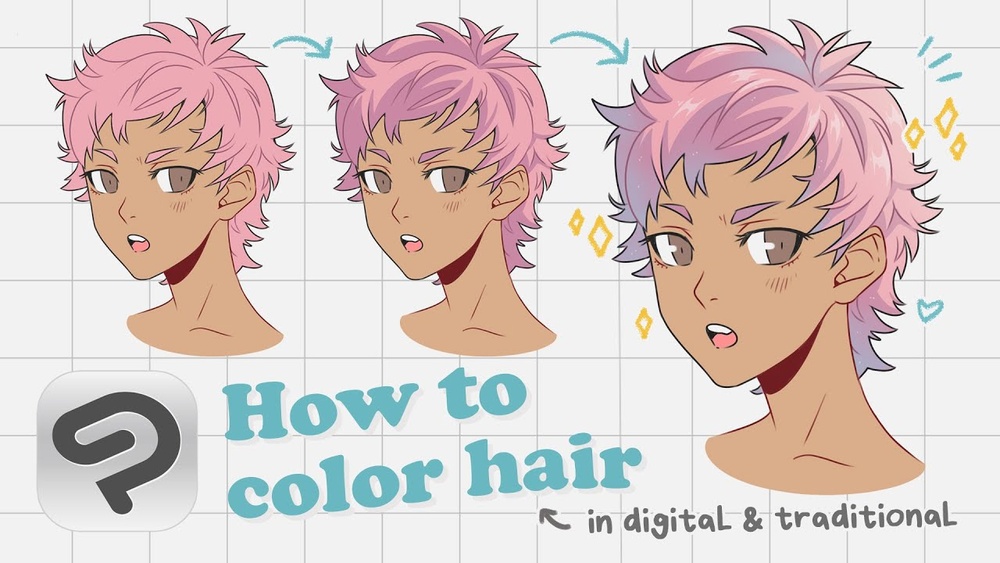
Thinking about changing up your look by coloring your hair? Whether you want a subtle refresh or a bold new shade, coloring your hair can completely transform your style and boost your confidence.
But if you’ve never done it before, the process might feel a bit overwhelming. Don’t worry—you’re in the right place. This guide will walk you through simple, step-by-step tips to help you color your hair like a pro, right from the comfort of your home.
Ready to unlock the secrets to vibrant, salon-quality hair color? Keep reading and discover how easy and rewarding it can be to take control of your hair’s color!
Essential Prep Steps
Preparing your hair and workspace is crucial before coloring your hair. These essential prep steps ensure an even, vibrant color and protect your hair from damage. Taking time to set up properly makes the process smoother and the results better.
Gather All Necessary Supplies
Collect your hair color kit, gloves, brush, clips, and a mixing bowl. Keep old towels or a cape handy to protect your clothes. Having everything ready avoids interruptions and keeps the process clean.
Choose The Right Hair Color
Pick a shade that matches your skin tone and current hair color. Read the instructions carefully on the box. Choose permanent, semi-permanent, or temporary color based on your needs.
Perform A Patch Test
Apply a small amount of dye on your skin behind your ear or on your wrist. Wait 24 to 48 hours to check for allergic reactions. This step prevents irritation and allergic responses.
Protect Your Skin And Clothes
Apply petroleum jelly along your hairline and ears to avoid staining your skin. Wear old clothes or cover yourself with a cape. Use gloves to protect your hands from the dye.
Section Your Hair Properly
Divide your hair into four or more sections using clips. This helps to apply color evenly and reach all areas. Start coloring from the back and move to the front for best results.
Choosing The Right Dye
Choosing the right hair dye is a key step in coloring your hair. The dye you select affects the final look and health of your hair. Different dyes work for different hair types and colors. Picking the best dye helps you get the color you want with less damage.
Understanding Different Types Of Hair Dye
Hair dye comes in several types. Permanent dyes last the longest and cover gray hair well. Semi-permanent dyes wash out after a few weeks and are less harsh. Temporary dyes sit on the surface and fade after a few shampoos. Knowing these types helps you choose what fits your needs.
Choosing The Right Color Shade
Select a shade that matches your skin tone. Warm skin tones look good with warm hair colors like golden or copper. Cool skin tones suit ash or platinum shades. Try to pick a color close to your natural shade for easier maintenance.
Considering Your Hair Condition
Healthy hair holds color better. If your hair is dry or damaged, choose gentle dyes with conditioning ingredients. Avoid harsh chemicals that can worsen damage. Treat your hair well before and after coloring for best results.
Allergy Testing And Safety
Always do a patch test before using any hair dye. This test checks for allergic reactions. Apply a small amount on your skin and wait 24-48 hours. If irritation happens, do not use that dye. Safety first to avoid problems.
Protecting Skin And Clothing
Protecting your skin and clothing during hair coloring is very important. Hair dye can stain skin and fabric. Taking simple steps can keep your skin clean and your clothes safe. This helps you enjoy the coloring process without worries.
Wear Old Clothes Or A Protective Cape
Choose clothes you do not mind staining. A dark shirt works well. Use a hair coloring cape or a plastic cape. These protect your clothes from dye splashes. Cover your shoulders fully for better protection.
Apply Barrier Cream Around Hairline
Use a thick cream or petroleum jelly on your skin. Apply it along your hairline, ears, and neck. This creates a barrier that stops dye from sticking. Reapply if needed during the coloring process to keep skin safe.
Use Gloves To Protect Hands
Always wear gloves when handling hair dye. Gloves keep your hands clean and prevent staining. Avoid touching your face or clothes while wearing gloves. Dispose of gloves carefully after coloring.
Cover Surfaces And Floors
Place old towels or newspapers under your working area. This protects floors and counters from spills. Keep cleaning wipes or cotton pads nearby for quick cleanup. Prevent stains by acting fast if dye drops.
Sectioning Hair For Even Color
Sectioning hair properly is key to achieving even color. It helps apply the dye evenly and prevents missing spots. Dividing hair into neat sections makes the coloring process easier and more organized.
Proper sectioning also speeds up application. Each section gets the right amount of color, ensuring consistent results. This simple step improves the final look and avoids patchy areas.
Prepare Your Hair For Sectioning
Start with clean, dry hair. Brush out any tangles to make sectioning smooth. Use a comb to create straight parts for neat sections. This preparation makes coloring easier and cleaner.
Divide Hair Into Four Main Sections
Part hair down the middle from forehead to nape. Then, part from ear to ear across the crown. This creates four equal sections. Clip each section separately to keep hair organized.
Use Clips To Secure Sections
Use hair clips or ties to hold each section in place. Secure clips firmly but gently to avoid discomfort. Keeping sections separate prevents color from bleeding between areas.
Work On One Section At A Time
Apply color to one section before moving to the next. This method ensures full coverage and avoids missing spots. Working systematically improves accuracy and saves time.
Applying Color To Roots
Applying color to roots is a key step in hair coloring. Roots show new hair growth and need fresh color for a natural look. Proper root coloring blends the new color with the rest of the hair. This section explains how to color your roots effectively at home or in a salon.
Prepare Your Hair And Tools
Start with dry, clean hair for best color results. Gather your color, applicator brush, gloves, and clips. Section your hair into four parts for easy access to roots. Use clips to hold sections away and work one at a time.
Apply Color Carefully To Roots
Begin at the back sections, moving to the front. Use the applicator brush to place color directly on roots. Avoid overlapping too much on previously colored hair. This prevents uneven color or damage. Work quickly but gently to cover all roots evenly.
Massage Color Into Roots
After applying, gently massage the color into the scalp and roots. This helps color penetrate and blend. Use fingertips or the back of the brush for this step. Be careful not to irritate your scalp.
Check For Missed Spots
Use a mirror to see all areas, especially around the hairline and part. Reapply color to any missed roots. This ensures full coverage and a consistent look.
Coloring Hair Length And Ends
Coloring the hair length and ends requires a gentle approach. These parts of your hair often show the most damage. The ends may be dry or split. Coloring them needs care to avoid extra harm.
Proper technique ensures even color and a healthy look. It also helps the color last longer. Focus on these areas after coloring the roots and scalp. Use the right products and tools for the best results.
Preparing Hair Length And Ends For Coloring
Start with clean, dry hair. Avoid heavy conditioners before coloring. Section your hair to work in small parts. This helps apply color evenly. Protect your skin and clothes from stains.
Applying Color To Hair Length And Ends
Use a brush or applicator for precise color placement. Begin at the ends and move upward. The ends absorb color faster, so apply carefully. Avoid overlapping color on previously colored areas to prevent damage.
Timing And Processing Tips
Check the color development often. The ends need less time than roots. Over-processing can cause dryness and breakage. Follow the product instructions for timing carefully. Rinse with cool water to lock in color.
Aftercare For Colored Length And Ends
Use shampoos and conditioners made for color-treated hair. Apply deep conditioning treatments weekly. Avoid heat styling tools or use heat protectants. Trim split ends regularly to keep hair healthy. This helps maintain vibrant color and shine.
Timing And Processing
Timing and processing play a crucial role in achieving the perfect hair color. The right timing ensures the color develops properly without damaging your hair. Processing time varies depending on the type of color and hair condition.
Understanding how long to leave the color on helps you avoid uneven shades or over-processing. Follow the instructions on the product carefully. Remember, patience is key for vibrant, long-lasting results.
How Long Should You Leave Hair Color On?
Most hair colors require 20 to 45 minutes to develop. Permanent color usually takes 30 to 40 minutes. Semi-permanent colors need less time, around 15 to 30 minutes. Always check the product label for exact timing.
Leaving color on too long can cause dryness and breakage. Too little time may result in dull or uneven color. Set a timer to keep track and avoid mistakes.
Signs Your Hair Color Is Processing Correctly
You may notice the color darkening or brightening as it processes. Hair feels slightly warm or tingling, which is normal. If you feel burning or severe itching, rinse immediately.
Check your hair color every 5 to 10 minutes to monitor progress. Use a damp cotton swab to test color intensity on a small section. This helps prevent over-processing.
What Happens During Hair Color Processing?
During processing, the color molecules penetrate hair strands. The cuticle opens to allow dye inside. Natural pigment lifts or deposits depending on the color type.
Permanent color removes natural pigment and adds new color. Semi-permanent coats the hair shaft without lifting pigment. Processing time allows these chemical reactions to finish fully.
Tips For Safe And Effective Hair Color Processing
Do a strand test before full application. It shows how your hair reacts and the final color. Avoid processing hair that is damaged or fragile.
Keep hair warm but not hot during processing. Heat can speed up color but may cause damage. Follow the recommended time strictly and rinse with cool water to close the cuticle.

Credit: www.chicagomalesalon.com
Rinsing And Conditioning
Rinsing and conditioning are the final and vital steps in coloring hair. They help remove excess dye and restore moisture. Proper rinsing ensures the color sets well and lasts longer. Conditioning repairs hair and keeps it soft and shiny after coloring.
How To Rinse Hair After Coloring
Use lukewarm water to rinse hair gently. Avoid hot water, as it can strip color. Rinse until the water runs clear. This means all extra dye is washed out. Be gentle to avoid tangling or damaging hair.
Choosing The Right Conditioner
Pick a conditioner made for color-treated hair. These conditioners help lock in color and add moisture. Avoid heavy conditioners that can weigh hair down. A lightweight, nourishing conditioner works best.
How To Apply Conditioner After Coloring
Apply conditioner mainly to hair ends and mid-lengths. Avoid the scalp to prevent greasiness. Leave the conditioner on for 3 to 5 minutes. This allows it to deeply hydrate and protect hair.
Tips For Maintaining Color And Hair Health
Rinse hair with cool water after conditioning to seal the cuticle. Use a color-safe shampoo and conditioner regularly. Limit washing hair to reduce color fading. Avoid heat styling tools or use heat protectants.
Maintaining Vibrant Color
Maintaining vibrant hair color requires care and attention after coloring. Bright, fresh color can fade quickly without the right routine. Protecting color helps keep hair looking healthy and lively for longer. Small daily habits make a big difference.
Use Color-safe Shampoo And Conditioner
Choose shampoos and conditioners made for color-treated hair. These products have gentle formulas that do not strip color. Avoid shampoos with sulfates. They remove natural oils and fade color fast. Conditioner helps lock in moisture and color vibrancy.
Wash Hair With Cool Water
Rinse hair with cool or lukewarm water instead of hot water. Hot water opens hair cuticles, allowing color to wash out. Cooler water closes the cuticles, sealing the color inside. This simple step keeps color brighter and helps hair stay smooth.
Limit Hair Washing Frequency
Wash hair less often to preserve color. Overwashing removes natural oils and color pigments. Try washing hair two to three times per week. Use dry shampoo between washes to keep hair fresh. Less washing means color lasts longer.
Protect Hair From Sun Exposure
Sun rays can fade hair color quickly. Wear a hat or use hair products with UV protection. These shield hair from harmful sun damage. Avoid long sun exposure without protection. Keeping hair safe from UV helps maintain its vibrancy.
Avoid Heat Styling Tools
Heat styling tools like flat irons and curling irons can dull color. High heat damages hair cuticles and causes color to fade. Let hair air dry when possible. Use heat protectant sprays if styling is needed. Reducing heat use extends color life.

Credit: www.wella.com
Fixing Common Mistakes
Fixing common mistakes in hair coloring can save a ruined look. Mistakes happen to everyone. Knowing how to correct them quickly helps maintain healthy, beautiful hair. This section explains simple fixes for usual errors during hair coloring.
Uneven Color Patches
Uneven color appears when dye is not spread well. Use a wide-tooth comb to gently blend the color. Apply a small amount of dye on dry spots and let it sit for a few minutes. Rinse thoroughly and check the result. Repeat if needed but avoid over-processing.
Color Too Dark Or Too Light
If the color is too dark, try washing hair with a clarifying shampoo. This helps fade the dye slightly. For color too light, apply a toner or a second dye in a darker shade carefully. Always do a strand test before full application to avoid damage.
Brassiness Or Unwanted Tones
Brassiness shows as orange or yellow tones after coloring. Use a purple or blue shampoo to neutralize these warm hues. These shampoos are safe for most hair types and improve the color’s coolness. Use them once or twice a week for best results.
Hair Damage And Dryness
Hair can become dry after coloring. Use deep conditioning treatments to restore moisture. Avoid heat styling tools for a few days. Regularly apply leave-in conditioners or oils to keep hair soft and shiny. Healthy hair holds color better and looks vibrant longer.

Credit: vagazine.com
Frequently Asked Questions
How To Color Your Hair At Home Step By Step?
Protect your skin with petroleum jelly and cover your clothes. Mix color per instructions. Section hair into four parts. Apply color evenly from roots to ends. Set a timer as directed. Rinse thoroughly and condition with color-safe product. Dry and style as desired.
How To Cover Gray Hair Permanently?
Use permanent hair dye with ammonia and peroxide to penetrate and cover gray hair. Apply evenly on dry, clean hair. Follow product instructions and processing time. Rinse thoroughly and condition to maintain color vibrancy. Repeat root touch-ups every 4-6 weeks for lasting gray coverage.
Do I Apply Color To Wet Or Dry Hair?
Apply hair color to clean, damp hair for better dye penetration and even color results. Avoid applying on soaking wet or completely dry hair.
Should I Use 10 Or 20 Developer With Permanent Color?
Use 10 volume developer for subtle color or gray coverage. Choose 20 volume to lighten hair by one or two levels.
What Is The Best Way To Prepare Hair For Coloring?
Clean hair with no conditioner helps color penetrate better and last longer.
Should I Use Box Dye Or Professional Hair Color?
Professional color offers more options and control, but box dye is good for beginners.
How Long Should I Leave Hair Dye On My Hair?
Follow the instructions on the package, usually between 20 to 45 minutes.
Can I Color My Hair If It Is Already Dyed?
Yes, but wait at least 4 to 6 weeks before recoloring for best results.
How Do I Avoid Uneven Hair Color Patches?
Section hair and apply dye evenly from roots to tips for consistent color.
What Hair Color Is Best For Sensitive Skin?
Choose ammonia-free and hypoallergenic dyes to reduce the risk of irritation.
Conclusion
Coloring hair can be simple with the right steps and care. Always prepare your space and tools before starting. Section your hair to apply color evenly. Work carefully from roots to tips for full coverage. Set a timer to avoid leaving dye on too long.
After rinsing, use conditioner to keep hair healthy. Practice patience and follow instructions closely for best results. Enjoy your new look and the confidence it brings. Hair coloring can be fun and rewarding when done right.