Have you ever wondered when color first brought movies to life on the big screen? Understanding when color film was invented isn’t just a trip down memory lane—it reveals how filmmakers transformed storytelling forever.
From the earliest attempts with limited shades to the vivid, full-spectrum colors that captivate you today, the journey of color film is full of fascinating breakthroughs and challenges. If you’re curious about how your favorite movies evolved from black-and-white to breathtaking color, keep reading to discover the key moments and inventions that made it all possible.
:max_bytes(150000):strip_icc()/TheWizardofOz-59e3ff310d327a0010ddedc5.jpg)
Credit: www.liveabout.com
Early Color Experiments
Color film began in the early 1900s with the Kinemacolor process, showing natural hues in short films. By 1932, Technicolor introduced a full-color method, leading to vibrant movies like Becky Sharp in 1935. This marked the start of color’s rise in cinema.
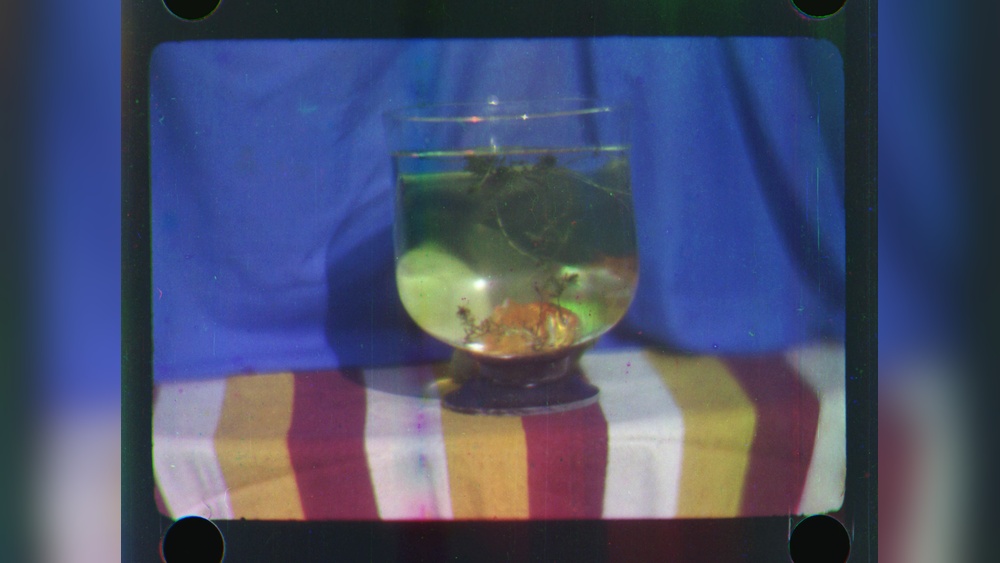
The first successful color motion picture process was Kinemacolor. It was invented in the early 1900s. This invention marked a major step in film history.
Kinemacolor used two colors, red and green, to create a color image. It was simpler than later methods but still impressive. The process required special projectors for viewing the films in color.
Early Development And Commercialization
In 1908, the first natural color film, A Visit to the Seaside, was made using Kinemacolor. It showed everyday scenes in color for the first time. The following year, 1909, Kinemacolor became available to the public.
The films were popular but had limits. The two-color system could not show all colors accurately. Despite this, it attracted many viewers and filmmakers.
Impact On Film Industry
Kinemacolor inspired further research and development in color film. It proved audiences wanted color movies. This demand pushed inventors to create better color processes.
Though Kinemacolor faded by the 1910s, it laid the groundwork for later advances. It showed that color films could be commercially successful.

Credit: blog.artsper.com
Kinemacolor Breakthrough
Color transformed the look and feel of big-budget films. It added depth and emotion to storytelling. Early color films attracted audiences with their vivid visuals. Studios invested heavily to use color technology in major productions.
Color was expensive and complex at first. Only large studios with big budgets could afford it. These films often included musicals, fantasies, and epics. The use of color helped movies stand out in theaters.
The Early Use Of Color In Big Productions
In the 1930s, Technicolor introduced the three-strip process. This method captured bright, full colors for the first time. Big-budget films like Becky Sharp were among the first to use it. This process required special cameras and lighting. It made color films costly but visually stunning.
Iconic Color Films That Changed Cinema
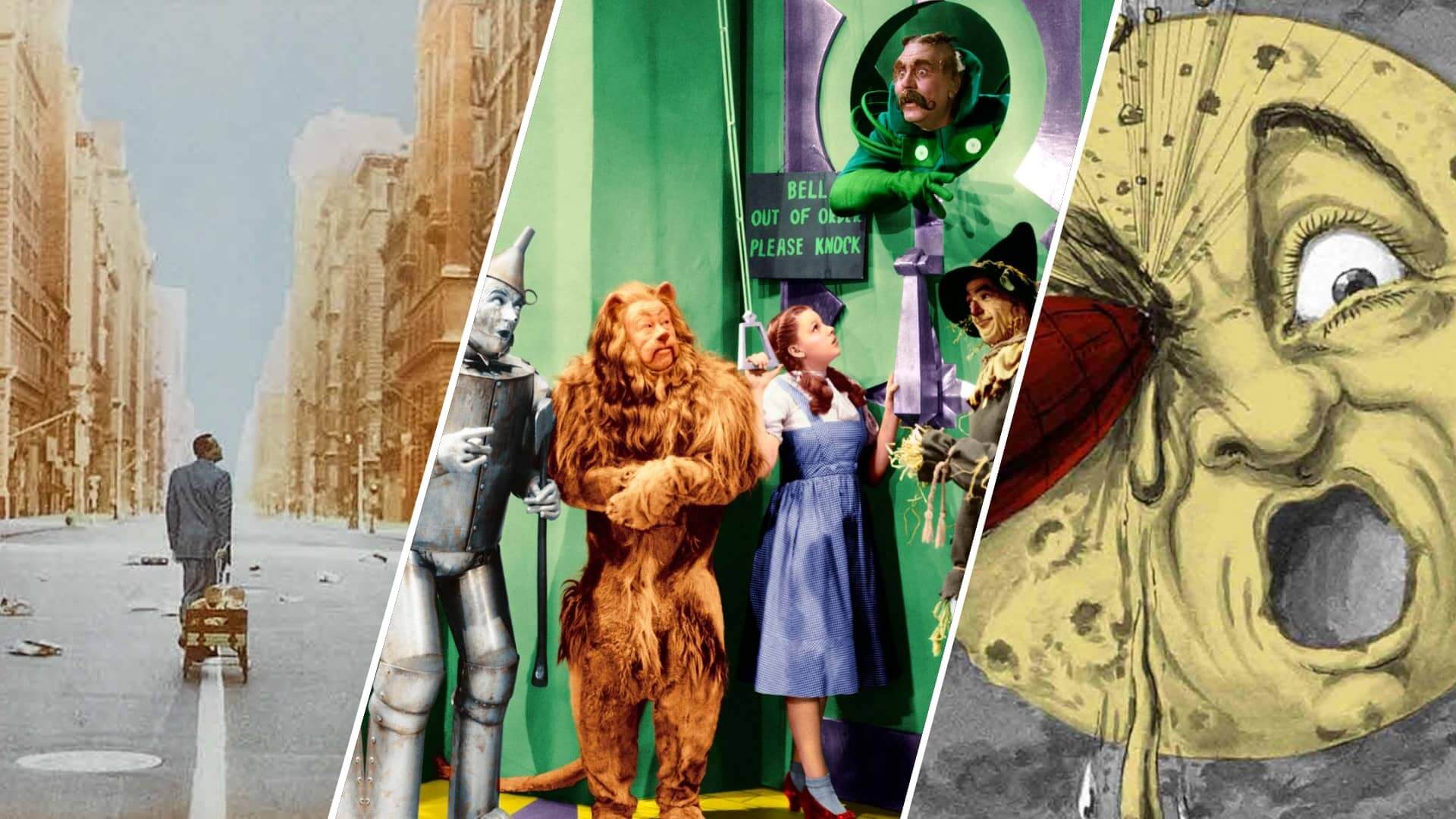
Films like The Wizard of Oz and Gone with the Wind showcased color’s power. They used rich palettes to create memorable scenes. Audiences were amazed by the new visual experience. These movies proved color could enhance storytelling and emotion. They remain classics due to their groundbreaking use of color.
Color’s Role In Film Marketing And Appeal
Color became a selling point for big-budget films. Studios promoted the vibrant visuals to attract viewers. Color films often premiered in large cities first. They drew crowds eager to see the latest technology. The success of these films encouraged more studios to invest in color.
The Transition To Widespread Color Usage
By the 1950s, color film technology improved and costs dropped. More studios started producing color movies regularly. Color moved from special events to the norm in filmmaking. This shift changed how stories were told on screen. Audiences came to expect rich, colorful visuals in new releases.
First Feature-length Color Films
The Iconic Color Films Era marked a new chapter in cinema history. Color brought films to life. It changed how stories were told on screen. Audiences could see vibrant costumes, glowing landscapes, and emotional expressions in full color.
This era began with early experiments and grew into full-color productions. The technology improved quickly. Movies became more appealing and realistic. Color films gained popularity and shaped Hollywood’s golden age.
Early Color Experiments And Kinemacolor
The first widely known color process was Kinemacolor, introduced in 1908. It used two colors to create a simple color effect. In 1909, it was shown to the public but needed special projectors. Kinemacolor was a start but had limits in color range and clarity.
The Rise Of Technicolor’s Three-strip Process
Technicolor changed color filmmaking with its three-strip process in 1932. This method captured red, green, and blue separately. It produced bright, full-spectrum colors that amazed audiences. The first full-length film using this was “Becky Sharp” in 1935. This technology set new standards for color quality.
Iconic Color Films That Defined The Era
Color was mostly used in big-budget musicals and fantasy films at first. Movies like “The Wizard of Oz” and “Gone with the Wind” became timeless classics. Their rich color palettes made scenes unforgettable. These films showed the true power of color in storytelling.
Transition To Mainstream Color Films
As costs dropped, more films used color. Black and white movies slowly faded from theaters. By the 1950s, color films were common across genres. This shift made movies more engaging and visually dynamic for all viewers.
Credit: www.studiobinder.com
Technicolor’s Three-strip Process
The transition to mainstream color marked a major shift in the film industry. Color films began as a novelty but soon captured the imagination of audiences worldwide. This change happened gradually, as technology improved and costs dropped. Studios started using color more often, moving beyond special effects and musicals. Color transformed storytelling and visual appeal, making films more vibrant and engaging.
The Breakthrough Of Technicolor’s Three-strip Process
Technicolor introduced the three-strip process in 1932. This method captured a full range of colors with great accuracy. It made color films look richer and more lifelike. Before this, color was limited to two-color systems, which looked unnatural. The new process allowed studios to create stunning visuals that drew large audiences. This innovation laid the foundation for color to become standard in movies.
Early Color Films And Their Impact
Becky Sharp (1935) was the first full-length film made entirely with three-strip Technicolor. It showed the possibilities of color storytelling. Films like The Wizard of Oz and Gone with the Wind used color to enhance mood and atmosphere. Color was mostly used in big-budget films because it was expensive. Still, these movies proved color could attract viewers and boost box office sales.
Expansion Of Color Use In Hollywood
After the success of early color films, more studios adopted the technology. Color was no longer limited to musicals or fantasies. Crime dramas, comedies, and westerns also began appearing in color. By the 1950s, color films became more common as costs decreased. Television’s rise pushed studios to offer color movies to keep audiences interested. This period marked the true shift from black and white to color as the norm.
Becky Sharp’s Milestone
Color film brought a new world of possibilities to cinema. Early inventors faced many hurdles creating accurate and stable colors. The process was complex and costly. Many films struggled to capture true colors on screen. These challenges slowed color film’s rise to popularity.
Technical problems were common. Filmmakers needed special cameras and projectors. Colors often appeared faded or unnatural. Film stock was sensitive and easily damaged. These issues made producing color films difficult for many studios.
Technical Limitations Of Early Color Film
Early color film used two or three color layers. Aligning these layers was tricky and prone to errors. Color registration often shifted, causing blurred or ghost images. Film stocks were slow, needing bright lighting on set. This limited shooting locations and styles.
High Production Costs
Color film required expensive materials and equipment. Cameras had to capture multiple color layers simultaneously. Processing color film took longer and needed special labs. Studios spent much more money than on black and white films. This made color films rare and reserved for big productions.
Color Fading And Stability Issues
Early color dyes faded quickly under light and heat. Many color films lost vibrancy over time. Preserving these films was a major concern. Archivists struggled to maintain original colors in old prints. This affected the long-term legacy of early color movies.
Limited Color Range And Accuracy
Two-color systems missed many hues, especially blues and greens. Colors looked unnatural or oversaturated. The three-strip Technicolor process improved this but was still imperfect. Filmmakers had to adjust costumes and sets to fit color limits. This restricted creative freedom in color choices.
Frequently Asked Questions
When Did Films Start Being In Color?
Films began using color in 1908 with Kinemacolor. Full-color, high-quality films started in 1935 with Technicolor’s three-strip process.
Is The Wizard Of Oz The First Color Movie?
The Wizard of Oz is not the first color movie. Earlier color films include 1908’s A Visit to the Seaside and 1935’s Becky Sharp. The Wizard of Oz popularized Technicolor but did not invent color filmmaking.
Why Did Photographers Not Use Color Before 1970?
Photographers avoided color before 1970 due to high costs, limited technology, and complex processing methods. Black and white was simpler and cheaper.
Was There A Color Film In 1945?
Yes, color films existed in 1945. Technicolor’s three-strip process produced vibrant color movies since the 1930s.
When Was Color Film First Invented?
Color film was first invented in 1908 with the Kinemacolor process.
Who Developed The First Commercially Successful Color Film?
The Kinemacolor process, developed by George Albert Smith and Charles Urban, was the first.
What Was The First Feature-length Color Film?
The Gulf Between (1917) was the first feature-length all-Technicolor film.
When Did Technicolor Introduce The Three-strip Color Process?
Technicolor introduced the three-strip color process in 1932.
Which Was The First Film Made Entirely With Three-strip Technicolor?
Becky Sharp (1935) was the first full feature filmed with three-strip Technicolor.
Why Was Color Film Rare Before The 1930s?
Color film was expensive and complex, limiting its early use.
Conclusion
Color film began its journey in the early 1900s with Kinemacolor. The breakthrough came with Technicolor’s three-strip process in 1932. This allowed movies to show vibrant, true-to-life colors on screen. Films like Becky Sharp and The Wizard of Oz showcased this new technology.
At first, color was rare and costly, mostly for big productions. Over time, it became the norm for most films. Today, color film shapes how stories come alive visually. Its invention changed cinema forever, making movies more engaging and realistic.