Have you ever wondered when color photography first brought the world to life in vibrant hues? Understanding the origins of color photography is like uncovering a hidden treasure that changes how you see every photo you take or admire.
From the earliest experiments to the breakthrough moments that made color images accessible to everyone, this story reveals surprising facts that can deepen your appreciation for your own snapshots. Keep reading, and you’ll discover how color photography evolved, the pioneers behind it, and why it took so long for color to become the new black and white.
Your next photo session might never look the same again!
Early Experiments In Color Photography
Early experiments in color photography laid the foundation for the vibrant images seen today. Inventors and scientists worked hard to capture colors in photographs. Their work began in the 19th century and involved many trials and errors. These early attempts were key to developing modern color photography.
James Clerk Maxwell’s Three-color Process
In 1861, James Clerk Maxwell created the first color photograph. He used a method involving three separate photos. Each photo was taken through a red, green, or blue filter. When combined, these images showed a full-color picture. This process proved color photography was possible.
The Lumière brothers introduced Autochrome in 1907. It was the first practical color photographic process. Autochrome used dyed grains of starch to capture colors. This method made color photography more accessible. It was the first step toward commercial success.
Early Challenges And Limitations
Early color photography faced many challenges. The images were often dim and lacked sharpness. Exposure times were long, making it hard to capture motion. Color accuracy was limited by the technology. Despite these issues, these experiments inspired future advances.

Credit: www.scienceandmediamuseum.org.uk
James Clerk Maxwell’s Breakthrough
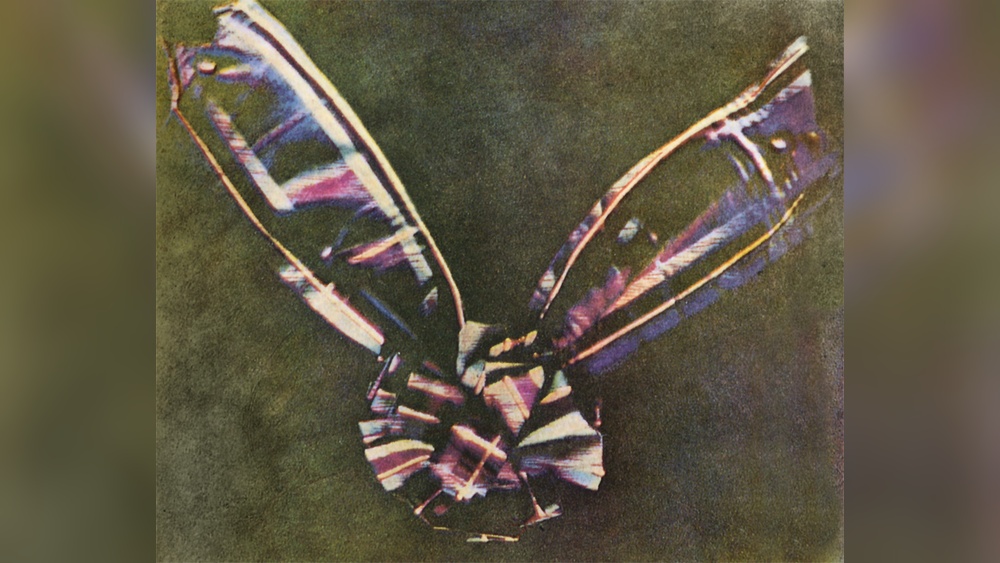
In 1861, James Clerk Maxwell showed the first color photograph using red, green, and blue filters. This breakthrough started the path to modern color photography. Early experiments like his made capturing real-life colors possible.
James Clerk Maxwell made a major step in color photography in 1861.
He was a Scottish physicist who studied light and color deeply.
Maxwell showed that color photos could be made using three filters.
These filters were red, green, and blue, the basic colors of light.
This method is called the three-color process and is still important today.
The First Color Photograph
Maxwell worked with photographer Thomas Sutton to make the first color photo.
They took three black and white photos through red, green, and blue filters.
Then, they combined the images to create a full-color picture.
The photo showed a tartan ribbon with clear colors.
This was the first practical demonstration of color photography.
Impact On Future Photography
Maxwell’s idea laid the foundation for all color photo technology.
His work helped later inventors create color films and cameras.
The three-color method is the base for modern digital screens too.
This breakthrough changed how people capture and see images forever.
The Lumière Brothers And Autochrome
Color photography began in 1907 with the Lumière brothers’ Autochrome process. It was the first practical way to capture color images on film. This invention made color photos more accessible to people worldwide.
The Lumière brothers, Auguste and Louis, are pioneers of color photography. They introduced the Autochrome process in 1907. This was the first practical color photographic method available to the public.
Autochrome used tiny dyed grains of potato starch as color filters. These grains were spread on a glass plate to create a mosaic of colors. When light passed through, the colors combined to form a full-color image.
This process allowed photographers to capture natural colors with more ease than previous methods. Autochrome plates were used with regular cameras, making color photography more accessible. The images produced had a soft, impressionistic look that was unique for its time.
The Lumière brothers’ Autochrome was a major step forward. It brought color photography from the lab to everyday life. Many photographers and artists began to explore color images thanks to this invention.
Credit: www.instarestoration.com
Kodachrome And Color Film Innovation
Kodachrome marked a key moment in color photography history. It brought color photos to many people. Before Kodachrome, color photos were rare and costly.
Kodachrome used multiple layers of film to capture colors. This method showed red, green, and blue shades clearly. It gave images bright, true-to-life colors.
Kodachrome’s Introduction And Impact
Kodachrome was launched by Kodak in 1935. It quickly became popular among photographers. The film allowed easy color processing in labs. This made color photography more accessible and affordable.
Photographers loved Kodachrome for its sharpness and vibrant colors. It helped color photography grow beyond special uses. Families, artists, and journalists started using it widely.
How Kodachrome Worked
Kodachrome had layers sensitive to different colors. Each layer captured red, green, or blue light. The film created a color image by combining these layers.
This layering was an innovation. It improved color accuracy and photo stability. Kodachrome photos lasted longer without fading compared to older methods.
Legacy Of Kodachrome And Color Film
Kodachrome set a standard for future color films. It inspired other companies to develop new color films. Its success led to innovations in color photo technology.
Even after digital photography, Kodachrome is remembered for its unique color style. It shaped how the world saw color photos for decades.
Color Photography In The Early 20th Century
Color photography in the early 20th century marked a significant step in visual history. The technology evolved from simple experiments to practical methods. This period saw important breakthroughs that made color photos more accessible.
Early color photography was not easy or fast. Photographers had to use special equipment and long exposure times. The colors often appeared muted or unnatural. Despite these challenges, inventors and scientists kept improving the process.
Autochrome Plates: The First Practical Color Process
In 1907, the Lumière brothers introduced Autochrome plates. This method used tiny grains of dyed starch to capture color. It allowed photographers to produce color images with a single exposure. Autochrome became popular among professionals and amateurs alike.
Though the images were beautiful, Autochrome plates were expensive. They also required careful handling and limited light sensitivity. Still, the process paved the way for future color photography methods.
The Role Of James Clerk Maxwell In Color Photography
In 1861, James Clerk Maxwell demonstrated the first color photograph. He used three black-and-white photos taken through red, green, and blue filters. When combined, these photos created a full-color image. This method inspired later color techniques.
Maxwell’s work was theoretical at first. It took decades before technology caught up to his ideas. His three-color principle remains the foundation of color photography today.
Kodachrome Film: A Major Advancement
Kodak introduced Kodachrome film in 1935. This film used multiple layers to capture colors more accurately. It was easier to use and produced vibrant, lasting images. Kodachrome quickly became the favorite for color photography.
This film revolutionized color pictures in the mid-20th century. It helped color photography grow beyond art and science. More people could now capture everyday moments in full color.

Credit: www.scienceandmediamuseum.org.uk
World War Ii And Color Photography Challenges
World War II created many challenges for color photography. The war demanded quick and reliable images. Color film technology was still new and fragile.
Photographers faced shortages of materials needed for color film. The production of color film slowed down due to war efforts. Many color photographs were taken in black and white instead.
Despite these problems, color photography captured important moments. It showed the vivid reality of battlefields and daily life. This added emotional depth to war stories.
Material Shortages And Production Limits
War caused shortages of key chemicals for color film. Factories shifted to making military supplies. This reduced color film availability for photographers.
Color film production required rare materials like silver and dyes. These materials became scarce and expensive. Photographers had to use black and white film more often.
Technical Difficulties In The Field
Color film was sensitive to heat and light changes. Soldiers and war photographers worked in harsh environments. This made it hard to keep film safe and usable.
Developing color photos needed special labs and chemicals. These were not always available near the front lines. Many images could not be developed immediately.
Impact On War Reporting And Public Perception
Color photos gave a new perspective on the war. They showed the true colors of uniforms, landscapes, and equipment. This helped people understand the war better.
Despite challenges, color images appeared in magazines and news. They made stories more vivid and real for readers. Color photography slowly gained popularity after the war.
Government Use Of Color Photography
Governments quickly saw the value of color photography. It provided clear, detailed images for many official uses. Color helped capture more information than black and white photos. This made it easier to analyze and share important data.
Military and intelligence agencies adopted color photography early. It improved mapmaking and surveillance. Color images showed terrain and objects more realistically. This helped troops plan missions with better accuracy.
Color photography also played a role in documenting historical events. Governments used it to record public works, cultural heritage, and natural disasters. These vivid images helped preserve important moments for future generations.
Military Applications Of Color Photography
Military forces used color photos to improve reconnaissance. Aerial color images revealed details about enemy positions. They helped identify camouflaged equipment and natural features. This information was vital for strategic planning and decision-making.
Scientific Research And Environmental Monitoring
Color photography assisted government scientists in studying landscapes and wildlife. It showed changes in vegetation and water bodies clearly. This helped track environmental health and plan conservation efforts. Color images made it easier to spot pollution and natural changes over time.
Documenting Infrastructure And Urban Development
Governments used color photos to monitor construction projects. Roads, bridges, and buildings were documented in detail. This helped ensure quality and progress. Color images provided a clear record for planning and maintenance.
Affordability And Accessibility Growth
The growth in affordability and accessibility played a key role in color photography’s rise. Early color processes were costly and complex. Only a few professionals and wealthy enthusiasts could afford them. This limited the spread and everyday use of color photos.
As technology advanced, production costs dropped. Companies like Kodak introduced new films that were cheaper to make and buy. These films simplified the process and reduced the need for special equipment. This change made color photography available to more people.
The wider availability of color film encouraged more photographers to try it. Amateur photographers could capture moments in color without large expenses. This shift helped color images become part of daily life, from family albums to newspapers.
Introduction Of Affordable Color Films
Kodak’s Kodachrome film, launched in the mid-1930s, made color photography more affordable. It offered brighter and longer-lasting colors than previous methods. This film was easier to use and widely sold in stores. Its price was within reach for many hobbyists.
Mass Production And Distribution
Mass production lowered the cost of color film and cameras. Factories produced millions of rolls yearly. Stores across cities and towns stocked color film. This ensured easy access to supplies for everyday users.
Technological Innovations Simplifying Use
New color films required less technical skill. Photographers no longer needed complex darkroom processes. Cameras became more user-friendly and automatic. These innovations helped beginners enjoy color photography without hassle.
Impact On Popular Culture And Media
Color photos started appearing in magazines, newspapers, and advertisements. This increased public interest and demand for color images. It influenced art, fashion, and entertainment industries. Color photography became a common visual language.
Color Photography Becomes Mainstream
Color photography moved from a rare novelty to a common practice in the early 20th century. At first, color images were expensive and difficult to produce. This limited their use to professionals and wealthy individuals. Over time, new technologies made color photography simpler and cheaper.
More people began to take color photos as cameras and film improved. This shift changed how people captured memories and shared stories. Color images brought life and realism to photographs, making them more appealing to the public.
The Rise Of Autochrome
In 1907, the Lumière brothers introduced Autochrome. It was the first widely available color process. This method used dyed grains of starch to filter light and create color images. Autochrome plates were easier to use than earlier techniques. They offered vibrant colors but required longer exposure times. Despite its limits, Autochrome sparked public interest in color photography.
Kodachrome And Affordable Color Film
Kodak released Kodachrome film in 1935. This film used multiple layers to capture different colors. Kodachrome was more affordable and practical than previous options. It allowed amateur photographers to shoot in color. The film produced sharp, vivid images that lasted for decades. Kodachrome helped color photography reach a wider audience quickly.
Color Photography In Everyday Life
By the 1950s, color photography was common in families and magazines. Color prints became available in stores and photo labs. Advertising, movies, and journalism embraced color as a powerful tool. People started to expect color images in their daily lives. The widespread use of color photos changed visual culture forever.
Modern Advances And Digital Color Imaging
Modern advances in color photography have transformed how we capture and view images. Digital color imaging brought new possibilities and ease to photography. It made color photos sharper and more vibrant.
Digital cameras use sensors that detect colors directly. This technology replaced older film methods. It allows instant review and editing of images. The process is faster and more flexible for photographers.
Color accuracy improved with better software and hardware. Editing tools help adjust colors to match real life. This development made color photography more accessible to everyone.
Early Digital Color Sensors
The first digital color sensors appeared in the late 20th century. They used red, green, and blue filters to capture colors. These sensors laid the foundation for modern digital cameras. They allowed photographers to take color photos without film.
Advances In Color Image Processing
Software advancements improved how cameras process color data. Algorithms correct color balance and enhance image quality. This makes digital photos look natural and vivid. Image processing also reduces noise and sharpens details.
Impact Of Smartphones On Color Photography
Smartphones brought color photography to millions worldwide. Their built-in cameras use advanced color sensors and software. This technology enables high-quality color photos on the go. Smartphones made color photography easy and everyday.
Future Trends In Digital Color Imaging
New technologies continue to evolve digital color imaging. Artificial intelligence helps improve color accuracy and style. Computational photography blends multiple images for perfect colors. These trends promise even better color photos soon.
Frequently Asked Questions
Why Did Photographers Not Use Color Before 1970?
Photographers avoided color before 1970 due to high costs, limited color film availability, and complex processing methods. Color film became affordable and practical only after the 1930s, gaining widespread use much later.
When Did Photography Start Using Color?
Photography started using color in 1861 with James Clerk Maxwell’s three-color method. Commercial color photography began in 1907 with Autochrome. Kodak’s Kodachrome film in 1935 made color photography affordable and popular among amateurs.
Did Color Photos Exist In 1940?
Yes, color photos existed in 1940. Kodachrome film, introduced in the mid-1930s, made color photography more accessible then.
Were There Color Photos In 1920?
Yes, color photos existed in 1920 but were rare and expensive. The Autochrome process, introduced in 1907, enabled early color photography.
When Was Color Photography First Invented?
Color photography was first invented in 1861 by James Clerk Maxwell and Thomas Sutton.
Who Created The First Color Photograph?
Scottish physicist James Clerk Maxwell and photographer Thomas Sutton created it.
What Method Was Used In The First Color Photo?
They used the three-color method with red, green, and blue filters.
When Did Color Photography Become Commercially Successful?
The Lumière brothers introduced the first practical color process, Autochrome, in 1907.
What Is Autochrome In Color Photography?
Autochrome was the first commercially successful color photographic process using dyed grains.
When Was Kodachrome Film Introduced?
Kodachrome was introduced by Kodak around 1935–1936 as affordable color film.
Conclusion
Color photography started in 1861 with early experiments. The Lumière brothers made it practical in 1907. Kodak’s Kodachrome film in the 1930s made color photos popular. Over time, color photography became affordable for many people. Today, it captures the world in vibrant hues.
Understanding its history helps appreciate how far photography has come. Color images tell stories in ways black and white cannot. The invention changed how people see and share moments forever.