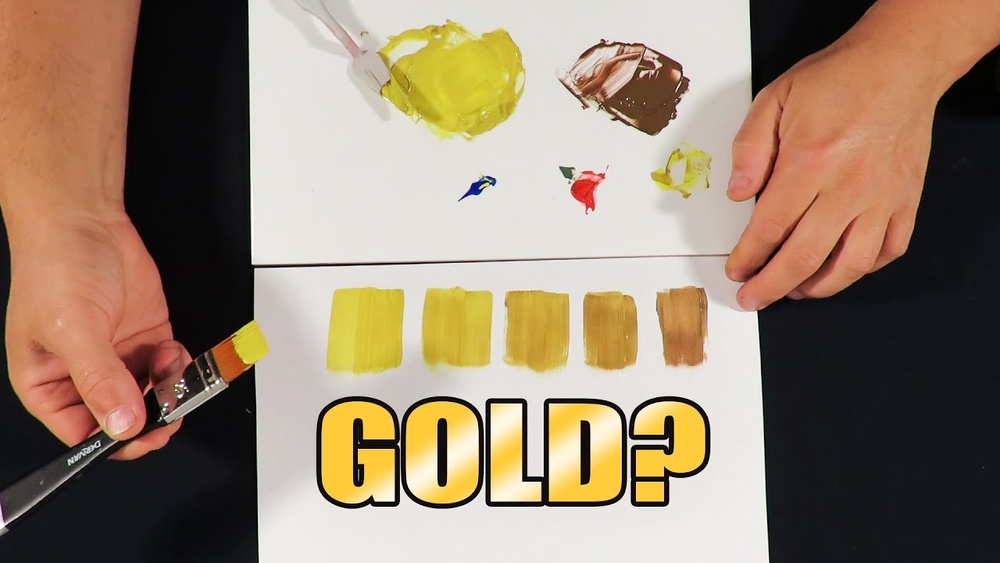
Want to create that rich, shimmering gold color in your paintings or crafts but don’t know where to start? You’re in the right place.
Making gold paint at home is easier than you might think, and with just a few simple colors, you can mix your own perfect shade of gold—whether you want a bright, shiny tone or a deeper, antique look. In this guide, you’ll discover step-by-step how to combine basic paints like yellow and brown, plus tips to add that metallic sparkle that makes gold truly stand out.
Ready to turn your palette into a treasure chest of golden hues? Let’s dive in and make your art shine!

Credit: www.youtube.com
Basic Colors For Gold
Creating the perfect gold color paint starts with understanding the basic colors. Gold paint is not a single color but a mix of several hues. These basic colors form the foundation for making various shades of gold. Using the right mix leads to a rich and vibrant gold tone.
Yellow and brown serve as the main base colors for gold. Yellow provides brightness and warmth, while brown adds depth and richness. Together, they create the classic golden hue that many artists seek.
Yellow: The Bright Base
Yellow is the most important color for gold paint. It gives the shine and warmth that resemble real gold. Use a bright yellow like cadmium yellow or lemon yellow for the best effect. This color forms the light part of the gold mixture.
Brown: Adding Depth
Brown tones balance the brightness of yellow. They create the darker, richer shades of gold. Burnt sienna or raw umber are common browns used in mixing gold paint. Adding brown controls the color’s intensity and makes it look natural.
White: Lightening The Shade
White helps to soften and lighten the gold color. It creates a paler, more subtle gold. Use white sparingly to keep the brightness without losing the golden warmth. This color is useful for highlights or softer gold tones.
Red And Orange: Warming The Tone
Small amounts of red or orange add warmth to the gold paint. These colors give the gold a richer and warmer appearance. Cadmium red or orange can make the gold look more vibrant and alive.
Metallic Mediums: Adding Shine
To mimic real gold’s shimmer, mix in metallic mediums or silver paint. These add sparkle and a reflective quality. This step is optional but enhances the golden effect, making the paint look more like metal.

Credit: www.wikihow.com
Mixing Yellow And Brown
Mixing yellow and brown creates a strong base for gold paint. This blend forms the warm, earthy tones typical of gold. Both colors work well together to mimic the natural look of gold metal.
Yellow provides brightness and warmth. Brown adds depth and richness. Combining these two colors gives a natural golden shade. Adjusting the amounts changes the gold’s intensity and warmth.
Choosing The Right Yellow
Use a bright, clear yellow like cadmium yellow. This type of yellow shines through the brown. It keeps the gold color vibrant and lively. Avoid pale or dull yellows that make the mix muddy.
Picking The Best Brown
Select a medium to dark brown for richness. Burnt sienna or raw umber works well. These browns add warmth without overpowering the yellow. Too dark a brown can make the color look dull.
Mixing Tips For Gold Paint
Start with equal parts yellow and brown. Mix slowly and check the color often. Add more yellow to lighten the gold. Add more brown to deepen the color. Stir well to blend the colors smoothly.
Adjusting Gold Shades
Adjusting gold shades allows you to create unique and rich gold paint colors. Small changes in the mix can change the gold’s mood and style. You can make gold tones warmer, paler, or give them an antique look. Each adjustment changes how your gold paint shines and feels.
Warmer Gold Tones
To make warmer gold, add a little red or orange to your base mix. This brightens the yellow and brown base, giving a rich, glowing gold. Use small amounts to keep the gold natural. Warm gold works well for lively and bold projects.
Paler Gold Variations
Mix in white to lighten your gold paint. White softens the color and creates a gentle, pale gold. This tone is perfect for subtle highlights or soft backgrounds. Avoid adding too much white to keep the gold’s shine.
Antique Gold Effects
Add a touch of gray or green to the gold mix for an antique look. These colors dull the brightness and add depth. Antique gold looks aged and vintage. Use this for classic or old-style artwork to give it character.
Adding Metallic Sheen
Enhance your gold paint by mixing in a metallic medium or fine silver powder. This creates a shiny, reflective surface that mimics real gold. A small amount goes a long way to add a subtle, elegant sheen.
What Is Metallic Sheen?
Metallic sheen gives paint a shiny, reflective look. It mimics the natural shine of metals like gold. This shine makes gold paint look more realistic and rich. Without metallic sheen, gold paint may appear flat or dull.
Choosing The Right Metallic Medium
To add metallic sheen, use a metallic medium or powder. These are made with tiny metal flakes or mica particles. Acrylic metallic mediums blend well with most paints. Metallic powders work best when mixed with clear paint or varnish.
How To Mix Metallic Medium Into Paint
Start with your base gold color. Add a small amount of metallic medium. Stir gently but thoroughly to spread the shimmer evenly. Add more medium little by little to reach the desired shine. Avoid adding too much to keep the paint smooth and easy to apply.
Using Metallic Powders For Extra Shine
Metallic powders add strong shimmer and depth. Mix the powder with a clear medium or paint base first. Then blend this mix into your gold paint. Powders can be layered on dry paint too, with a clear topcoat to seal the finish.
Tips For Best Results
Test your mix on a small surface first. Let it dry to see the true metallic effect. Use thin layers for a smooth, even shine. Thick layers may crack or peel. Store mixed paint in a sealed container to keep the sheen intact.
Using Metallic Powders
Using metallic powders is an excellent way to create a rich gold color paint. These powders add a natural shimmer that mimics real gold. They blend well with clear or colored paint bases to give a metallic finish. This method offers more control over the paint’s intensity and shine.
Metallic powders come in fine particles that reflect light. Mixing them carefully into your paint helps achieve a smooth, even look. The result is a vibrant gold paint that stands out on any surface.
What Are Metallic Powders?
Metallic powders are tiny particles made from metals or synthetic materials. They imitate the look of gold, silver, bronze, and other metals. Artists and DIY enthusiasts use them to add metallic effects to paints, coatings, and crafts.
Choosing The Right Powder For Gold Paint
Look for powders labeled as gold or brass color. These powders have warm yellow and brown tones. Fine powders mix easily into paint and create a smooth finish. Avoid coarse powders that may not blend well and leave a rough texture.
How To Mix Metallic Powder With Paint
Start with a clear base like acrylic medium or varnish. Gradually add metallic powder to the base. Stir slowly to avoid clumps. Test the paint on a small surface to check the color and shine. Add more powder for a stronger gold effect or less for a subtle shimmer.
Tips For Best Results
Use a soft brush to apply the paint for a smooth finish. Allow each layer to dry before adding another for depth. Store mixed paint in an airtight container to keep the powder suspended. Experiment with mixing powders and paint colors for unique gold shades.
Layering Techniques
Layering techniques play a key role in making gold color paint look rich and vibrant. Applying paint in layers builds depth and enhances shine. Each layer adds a new dimension to the paint’s color and texture.
This process requires patience and careful application. Thin layers dry faster and allow better control over the final shade. Using multiple layers also helps mimic the natural shimmer of real gold.
Preparing The Base Layer
Start with a smooth base layer using yellow paint. This layer sets the tone for the gold shade. Apply it evenly and let it dry completely before moving on. A solid base helps later layers blend well.
Adding Brown And Orange Tones
Mix brown paint with a small amount of orange. Use this mix for the second layer. It warms up the gold color and adds richness. Apply this layer lightly to avoid covering the base yellow.
Building Highlights With White
Use white paint to add highlights. Mix white with a little yellow for a soft glow. Apply it in small strokes or dots on raised areas. This technique creates a reflective, shiny effect.
Incorporating Metallic Mediums
To achieve a metallic finish, mix a metallic medium or silver paint with your gold color. Apply this as the top layer. It gives the paint a sparkling effect similar to real gold. Use sparingly for subtle shine.
Choosing The Right Base
Choosing the right base is crucial for making gold color paint. The base sets the tone for your gold shade. It affects how bright, warm, or muted the paint will appear. Picking the right base helps you get the perfect gold effect you want.
Most gold paints start with a mix of yellow and brown. These two colors create a natural, warm gold. The yellow gives brightness, while the brown adds depth and richness. This simple combination forms a strong foundation for gold paint.
Using Yellow As A Primary Base
Yellow is the main color in gold paint. It brings warmth and light to the mix. Choose a bright yellow like cadmium or lemon yellow for a rich gold. Yellow keeps the gold lively and shiny.
Adding Brown For Warmth And Depth
Brown tones down the brightness of yellow. It adds a natural, earthy feel to the gold. Use burnt sienna or raw umber for a deep, warm base. Brown helps the gold look more realistic and less flat.
Adjusting With White For Paler Gold
White lightens the gold paint to create softer shades. It makes the gold look paler and more subtle. Add small amounts of white to your yellow and brown mix. This works well for highlights or gentle gold tones.
Mixing With Primary Colors
Mixing gold color paint using primary colors is a simple and fun process. It allows you to create a rich, warm shade of gold without buying special paints. By blending red, yellow, and blue, you can achieve a base that resembles gold. Then, small adjustments help perfect the shade for your artwork.
Understanding how primary colors interact is key. Yellow is the main color for gold, while red and blue help balance the tone. Mixing these colors carefully leads to a natural gold color that looks vibrant and realistic.
Starting With Yellow As The Base
Yellow is the foundation of gold paint. Use a bright, warm yellow for the best results. Begin by placing more yellow than any other color on your palette. This keeps the gold bright and glowing.
Adding Red To Warm The Tone
Add a small amount of red to the yellow. This step deepens the color and adds warmth. Be cautious with red; too much makes the paint look orange. Mix slowly and check the shade as you go.
Using Blue To Cool Down The Mix
Blue helps balance the warmth from red and yellow. Add just a tiny bit to darken the color slightly. Blue tones down the brightness and gives the gold a more natural look. A little blue goes a long way.
Adjusting With Brown Or White
Mix brown with your base colors to create depth and richness. Brown makes the gold look more metallic and less flat. Adding white lightens the gold, creating a shiny, pale gold shade. Mix carefully to find the perfect balance.
Tips For Smooth Texture
Achieving a smooth texture in your gold color paint enhances its shine and appeal. Smooth paint applies evenly, creating a sleek, polished look. Rough or uneven texture can dull the gold effect and spoil your artwork’s finish.
Follow these simple tips to get a smooth texture in your homemade gold paint. They help you avoid lumps, streaks, and uneven layers. The result is a beautiful, rich gold color that looks professional and vibrant.
Use Fine Pigments And Quality Paints
Choose finely ground pigments for your gold paint base. Coarse pigments cause rough texture and clumps. High-quality paints blend better and spread smoothly on surfaces. These paints provide a consistent color and shine.
Mix Thoroughly But Gently
Stir your paint mixture well to blend colors evenly. Avoid shaking it hard or fast. Vigorous mixing traps air bubbles that create bumps. Use a smooth, slow stirring motion until the paint is uniform.
Add Mediums For Better Flow
Mix in a small amount of acrylic medium or paint thinner. These help the paint flow smoothly and prevent thick spots. Be careful not to add too much, or the paint will become too thin and lose color strength.
Strain The Paint Before Use
Pour your mixed paint through a fine mesh strainer. This removes any lumps or undissolved pigments. Straining ensures your paint is smooth and easy to apply. It reduces brush strokes and uneven patches.
Apply Thin Layers With A Soft Brush
Use a soft, wide brush to apply thin coats of paint. Thick layers dry slowly and crack or peel. Thin layers dry evenly and keep the gold shimmer bright. Let each coat dry before adding the next for the best finish.

Credit: www.dailymotion.com
Common Mistakes To Avoid
Mixing gold paint can be tricky. Many beginners make simple mistakes. These errors affect the color and finish. Avoiding them helps create a true gold shade.
Focus on balance and color choice. Small changes can shift the tone too much. Watch out for these common pitfalls.
Using Too Much Yellow
Yellow is the main color for gold paint. But using too much makes the paint look bright yellow, not gold. Mix yellow carefully with brown to keep the right tone.
Ignoring The Brown Base
Brown adds depth and warmth to gold paint. Skipping brown leads to a flat, unrealistic gold color. Always start with a brown-yellow mix for richness.
Forgetting To Adjust With White
White lightens the paint and adds brightness. Without white, gold paint looks dark and dull. Add white in small amounts to get a soft glow.
Adding Red Or Orange Excessively
Red and orange warm up gold paint. Too much makes the paint look orange or rusty. Use these colors sparingly to keep a natural gold effect.
Skipping Metallic Mediums For Shine
Gold paint needs a shimmer to look real. Plain colors lack this sparkle. Mix in metallic paint or medium to add that glowing finish.
Not Testing Color Mixes
Mix a small amount first. Test the color on paper or canvas. This prevents wasting paint and helps adjust colors before final use.
Frequently Asked Questions
What Colors To Mix To Make Gold Paint?
Mix yellow and brown paint equally to create a gold base. Add red or orange for warmth, white for brightness, and metallic medium for shimmer. Adjust shades by layering or adding more brown for an antique look.
What Color Combination For Gold?
Gold pairs well with black, white, navy blue, emerald green, and deep red for elegant, rich color combinations.
Can Yellow And Green Make Gold?
Yellow and green alone do not create gold. Mix yellow with brown and add red or orange for a gold shade.
How To Make Metallic Paint With Acrylic Paint?
Mix yellow and brown acrylic paint to create a gold base. Add red or orange for warmth. Mix in metallic medium or powder for shine. Adjust with white for lighter shades. Apply in layers for depth and a metallic effect.
What Colors Mix To Create Gold Paint?
Mix yellow and brown as a base, then add white, red, or orange for different gold shades.
How Can I Make Gold Paint Look Metallic?
Add a metallic medium or fine silver powder to your gold paint mix for shimmer.
Can I Use Primary Colors To Make Gold Paint?
Yes, mix red, yellow, and blue carefully to achieve a gold-like color.
What Is The Easiest Way To Make Gold Paint At Home?
Combine yellow and brown paint, then adjust with white or red for your desired gold shade.
How Do I Make A Warm Gold Paint Shade?
Add a small amount of red or orange to your yellow and brown mix.
Is It Possible To Make Gold Paint Without Brown?
Brown is important for gold; you can mix red, yellow, and blue to create brown first.
Conclusion
Creating gold color paint is simple with basic colors. Start with yellow and brown as your base. Adjust shades by adding white, red, or orange. For a metallic look, mix in gold powder or medium. Experiment to find the perfect gold for your project.
Enjoy the process and add your unique touch. Now, you can make beautiful gold paint at home easily.