Have you ever wondered when colored photos first came to life? Seeing a picture in vibrant color feels so natural today that it’s hard to imagine a time when all photographs were just black and white.
But the invention of color photography was a groundbreaking moment that changed how we capture memories forever. You’ll discover the fascinating story behind the very first colored photos, the challenges inventors faced, and how color photography evolved into the everyday technology you use now.
Get ready to uncover the colorful history that transformed the way you see the world!
Credit: www.instarestoration.com
Early Experiments With Color
Early experiments with color photography laid the foundation for modern color images. Inventors and scientists worked hard to capture natural colors on film. Their efforts began in the 19th century, long before color photos became popular.
These early attempts used different methods to add color to black-and-white photos. Some involved hand-painting each image, while others tried chemical processes. Although imperfect, these experiments showed that color photography was possible.
James Clerk Maxwell’s Color Theory
In 1861, James Clerk Maxwell created the first color photograph. He used three black-and-white photos taken through red, green, and blue filters. When combined, they produced a color image. This process proved color photography could work using light filters.
Hand-colored Photographs
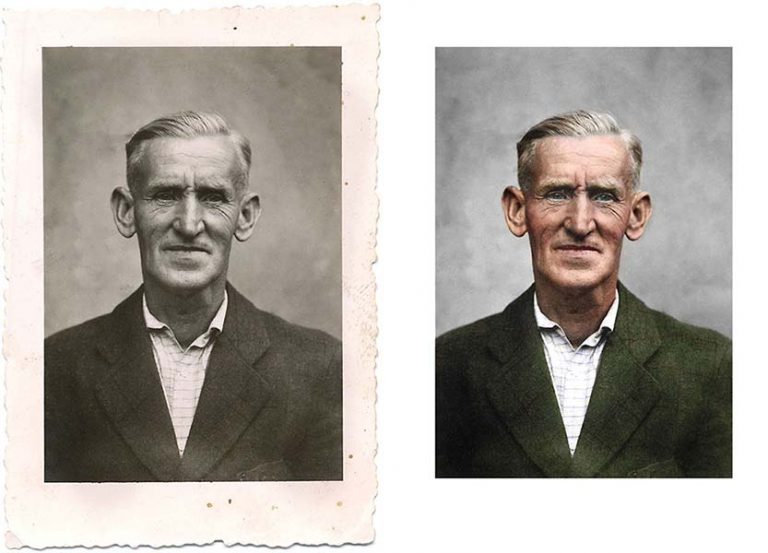
Before true color film, many photographers colored photos by hand. Artists painted dyes or pigments onto black-and-white prints. This method added beauty but took a lot of time and skill. Hand-coloring was popular for portraits and postcards.
Autochrome Plates
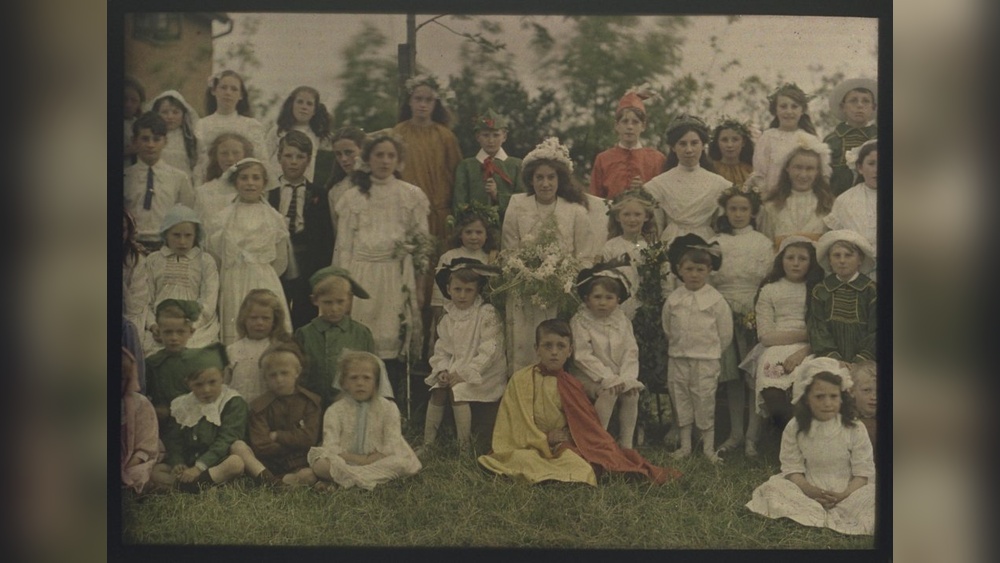
In 1907, the Lumière brothers introduced Autochrome plates. They used dyed grains of starch to filter light and create color images. Autochrome was the first widely used color photographic process. It produced soft, natural colors but required long exposure times.
The First Color Photograph
The first color photograph marks a key moment in photography history. It showed the world in hues beyond black and white. This early image was not just a picture but a new way to see reality. It opened doors to capturing life more naturally and vividly.
Color photography started with a simple idea. Scientists and inventors wanted to reproduce colors exactly as the eye sees them. Early attempts used experiments with light and chemicals. These efforts led to the creation of the very first color photo.
Who Took The First Color Photograph?
The first known color photograph was taken by James Clerk Maxwell. He was a Scottish physicist and mathematician. In 1861, Maxwell demonstrated a method to capture color using three black-and-white photos. Each photo used a different colored filter: red, green, and blue.
How Was The First Color Photograph Made?
Maxwell’s method involved taking three separate photos through red, green, and blue filters. Then, he projected the images using the same colored filters onto a screen. When combined, the projections created a full-color picture. This process was called the three-color method.
What Did The First Color Photograph Show?
The first color photograph showed a tartan ribbon. The ribbon’s colors appeared in vivid red, green, and blue tones. This simple subject helped prove the method worked. It was the first step toward modern color photography.
Advances In Color Film Technology
Color film technology changed photography forever. It moved images from black and white to vibrant color. Early color photos were rare and complex to make.
Scientists and inventors worked hard to improve color film. Their efforts made color photography easier and more affordable. Over time, color film became popular worldwide.
Early Color Film Innovations
The first successful color film was Autochrome, introduced in 1907. It used dyed grains of starch to create color images. Although Autochrome photos had soft colors, they marked a major step forward.
Kodachrome film arrived in 1935. It produced bright, sharp colors and lasted longer than previous films. Photographers loved it for its quality and reliability. Kodachrome helped color photography become widely used.
Improvements In Film Speed And Quality
Color films became faster, capturing images in lower light. This allowed more indoor and night photography in color. Film manufacturers improved color accuracy and reduced fading. These advances made color photos more practical and appealing.
Cost And Accessibility Changes
Early color film was expensive and needed special processing. Over decades, costs dropped and processing became easier. Color prints became affordable for everyday people. This shift helped color photos become common in homes.
Kodachrome And Its Impact
Kodachrome marked a major step in color photography. Introduced in 1935 by Eastman Kodak, it was one of the first successful color films. Kodachrome brought vibrant colors and fine details to photos. It allowed photographers to capture life more realistically than before.
This film used a complex process with multiple layers of color-sensitive emulsion. It created bright and lasting images. Kodachrome was popular among professionals and hobbyists alike. It made color photography more accessible and reliable.
Kodachrome’s Role In Popularizing Color Photos
Kodachrome helped shift color photography from a novelty to a common practice. Before Kodachrome, color photos were rare and often faded quickly. Kodachrome’s longevity and color quality made it ideal for everyday use. People began to use color film for family photos, travel, and journalism.
Technological Advancements Brought By Kodachrome
Kodachrome’s design pushed film technology forward. It combined three color layers in one film strip. This was a breakthrough for color accuracy and sharpness. The film required special processing, which improved the final image quality. Kodachrome’s technology influenced later color films and digital sensors.
Limitations And Challenges Of Kodachrome
Despite its strengths, Kodachrome had drawbacks. The film was expensive compared to black and white options. It needed careful handling and specific processing labs. Early Kodachrome did not perform well under low light. These issues slowed the full spread of color photography for years.
Legacy Of Kodachrome In Photography
Kodachrome’s impact still matters today. Many iconic photos were taken using this film. It shaped how people saw the world in color. Even after its production ended in 2009, Kodachrome remains a symbol of quality and color beauty in photography history.
Challenges Of Early Color Photography
Early color photography faced many hurdles before becoming popular. Photographers struggled with costs, access, and technology. These challenges slowed the growth of color photos. The process needed special equipment and materials. People had to wait for better methods to capture true colors. The journey was full of trial and error, making early color photography rare and precious.
High Costs
Color photography required expensive materials and chemicals. The cost to produce color images was much higher than black and white. Many people could not afford to experiment with it. Photographers had to invest in costly cameras and films. Printing color photos also took more time and money. These high costs limited color photography’s use to wealthy individuals and professionals.
Limited Availability
Early color films and processes were hard to find. Only a few companies made color materials, and supplies were scarce. Photographers in many places had little or no access to color film. Developing color photos required special labs, not available everywhere. This limited where and how often color photos could be taken. Many people continued using black and white due to availability issues.
Technical Limitations
Early color photographs often showed inaccurate colors. The technology could not capture all shades and tones well. Exposure times were long, making it hard to photograph moving subjects. Color films were less sensitive to light than black and white films. Processing color photos was complex and prone to errors. These technical issues made early color photography challenging and less reliable.
Color Photography During World War Ii
Color photography during World War II was rare but significant. The technology was still new and costly. Most wartime photos remained in black and white. Color images captured the harsh realities in a more vivid way. These photos gave a new perspective on the events of the war.
Few photographers had access to color film. Kodachrome was the main color film available then. It provided rich colors and fine details. However, the film was expensive and hard to develop. This limited its widespread use among soldiers and journalists.
Color photos from World War II show battles, landscapes, and daily life. They help us understand the past better. These images make history feel closer and more real. Today, they remain valuable for historians and enthusiasts.
Technological Advancements In Color Photography
Kodachrome film was introduced in the mid-1930s. It became widely used during the war. The film used multiple layers to capture colors accurately. Developing Kodachrome was complex and done only in special labs. This process delayed the availability of color photos.
Challenges Of Color Photography During The War
Color film was fragile and sensitive to light. Soldiers found it difficult to carry and use. The cost of film and processing was very high. Many photographers preferred black and white for convenience. Indoor and low-light photos often had poor color quality.
Impact Of Color Photos On Public Perception
Color images made the war more real to the public. Newspapers and magazines began to publish color photos. These pictures showed the war’s true colors and emotions. They helped people connect with soldiers’ experiences. Color photos changed how history was recorded and remembered.
Color In Commercial And Artistic Fields
Color photography changed how people see images in business and art. It added life and realism to pictures. This made photos more appealing and useful.
Early color photos were rare and costly. Over time, advances made color images easier to produce. This opened new paths in commercial and creative uses.
Advertising And Fashion
Color photos helped brands show products more clearly. Shoppers could see true colors of clothes and items. This boosted interest and sales in stores.
Fashion magazines used color images to display styles better. Designers gained a new tool to present their work. Color brought energy and excitement to fashion spreads.
Artistic Experimentation
Artists started to explore color photography as a new form. They used color to express moods and ideas. It changed traditional black and white art into something fresh.
Many artists mixed color photos with painting and collage. This created unique styles and effects. Color photography became a key medium in modern art.
The Rise Of Amateur Color Photography
Color photography was once a rare and costly process. Only professionals or wealthy hobbyists could afford it. Early color photos required complex chemicals and special cameras.
With time, technology improved and color film became more accessible. This change allowed everyday people to try color photography at home. The rise of amateur color photography changed how people captured memories.
Technological Advancements
The introduction of Kodachrome film in the 1930s made a big difference. Kodachrome provided bright, lasting colors and was easier to use. Cameras also became simpler and more affordable. These changes helped amateurs take color photos without expert help.
Cost And Convenience
Color film was expensive compared to black and white. Developing color photos also took more time and skill. Early color photos often looked dull indoors. Improvements in film and lighting gradually solved these issues.
As costs dropped, more people could buy color film. This growth helped color photography spread widely among hobbyists.
Shift In Use
At first, color photography was mostly for special events and travel. Families used it to capture holidays and celebrations. Over time, everyday scenes and daily life appeared in color photos. This shift made color photography a part of normal life.
Amateur photographers shared their work and inspired others. Color images began to shape memories and stories more vividly than black and white.
Color Photography Becoming Mainstream
Color photography started as a rare and costly process. Early color images were often blurry and faded quickly. It took decades for technology to improve enough to make color photos practical.
By the 1930s and 1940s, new films like Kodachrome changed the scene. Kodachrome offered brighter colors and longer-lasting prints. This innovation helped color photos become more popular with photographers.
Still, color film was expensive and harder to process than black and white. Many people stuck with black and white photos because of cost and convenience. Indoor color photos were often dim or unnatural until lighting improved.
Technological Advancements
The invention of Kodachrome in 1935 was a key milestone. Kodachrome used layers of film to capture true colors. This process gave sharper and more vivid images than before.
Later, other types of color films made production easier and cheaper. Camera companies improved automatic exposure and focus for color shots. These steps helped more people try color photography.
Cost And Convenience
Color film and printing cost more than black and white for many years. Processing color film required special equipment and chemicals. This added expense kept color photography from becoming common quickly.
Home printing and developing were mostly black and white until the 1950s. Color photos often needed professional development, limiting casual use. Over time, prices dropped and processing became simpler.
Shift In Use
At first, color photography was mostly for advertising and special events. Family snapshots and newspapers used black and white photos. Color started appearing in magazines and postcards more often.
By the 1960s and 1970s, color photography became the norm. Cameras and films for amateurs became affordable. Color images filled photo albums and memories worldwide.

Credit: www.scienceandmediamuseum.org.uk
Modern Developments In Color Imaging
Modern developments in color imaging have greatly shaped how we capture and enjoy photos today. These advances built on early inventions and improved the quality, speed, and accessibility of color photography. The journey from basic color processes to digital imaging shows impressive progress.
Early color photos had limitations like long exposure times and poor color accuracy. New technologies overcame these issues, making color photography more practical for everyday use. Innovations in film, sensors, and software have all played key roles.
Kodachrome, introduced in the 1930s, marked a major step forward. It offered rich colors and better durability than previous methods. Later, other films like Ektachrome provided faster processing and easier use. These films made color images sharper and more vibrant.
Digital Color Imaging Breakthroughs
The digital era revolutionized color photography. Digital sensors capture colors using tiny red, green, and blue filters. This method allows instant review and editing of photos. Digital cameras quickly became more affordable and widespread.
Improved Color Accuracy And Processing
Software advancements help correct colors and enhance images. Algorithms adjust white balance and remove noise to produce natural tones. Professional and smartphone cameras rely heavily on these improvements to create stunning pictures.
Accessibility And Everyday Use
Color photography is now part of daily life. Smartphones with powerful cameras make it easy to take and share colorful photos anytime. Printing and displaying color images have also become simpler and cheaper. This accessibility has made color photos common worldwide.

Credit: commons.wikimedia.org
Frequently Asked Questions
When Did Color Photos Become Common?
Color photos became common in the 1950s after Kodak introduced affordable Kodachrome film. Advances improved color quality and accessibility.
Why Did Photographers Not Use Color Before 1970?
Photographers avoided color before 1970 due to high costs, limited technology, and poor indoor lighting results. Black-and-white film remained cheaper and more reliable. Color film became popular only after technological improvements made it affordable and easier to use for both professionals and amateurs.
Did The 1950s Have Color Photos?
Yes, the 1950s had color photos. Color photography existed but was costly and less common than black-and-white photos.
Did Color Photos Exist In 1940?
Yes, color photos existed in 1940 but were rare and expensive. Kodachrome film made color photography possible but limited to professionals. Most people still used black-and-white film due to cost and availability. Color photos became widespread only after the 1950s.
When Were Colored Photos First Invented?
The first colored photos were invented in the 1860s using early color processes.
Who Created The First Color Photograph?
James Clerk Maxwell produced the first durable color photo in 1861.
What Technology Was Used For Early Color Photos?
Early color photos used a three-color separation method by Maxwell.
When Did Color Photography Become Popular?
Color photography became popular in the 1930s with Kodachrome film.
How Did Kodachrome Impact Color Photography?
Kodachrome made color photos clearer and easier to produce from 1935.
Why Were Color Photos Rare Before The 1930s?
Color film was expensive and difficult to develop before the 1930s.
Conclusion
Colored photos were invented in the early 1900s. The first successful color photograph appeared in 1907. Early methods used layers of color filters and dyes. Color photography grew slowly due to cost and complexity. Kodachrome film in the 1930s helped make color photos popular.
It took decades for color photos to become common. Today, color images capture life more vividly than ever. Understanding this history shows how far photography has come. Color photos changed how we see the world around us.