
Are you curious about when your baby’s eye color will finally settle? If you’ve noticed those sparkling blue or gray eyes at birth, you might be wondering if they’ll stay that way or change over time.
Babies’ eyes often start off one shade and then gradually shift as melanin—the pigment responsible for eye color—develops. This natural process can keep you guessing for months! Understanding when and why these changes happen can help you set expectations and appreciate every stage of your baby’s growth.
Keep reading to discover when babies’ eyes usually stop changing color and how to tell what their true eye color might be.

Credit: sneakpeektest.com
Why Babies’ Eyes Change Color
Babies are often born with blue or gray eyes. This color can change during their first year. The change happens because of melanin, a pigment in the iris. Melanin controls how dark or light the eyes look.
At birth, babies have very little melanin. This makes their eyes appear blue or gray. The blue color is from light scattering, like the sky’s color. As babies grow, their eyes can get darker.
Low Initial Melanin
Newborns start with low melanin levels. This is why many babies have light-colored eyes. The iris has few pigment cells at birth. The light that hits the iris scatters and creates the blue or gray look.
Melanin Production
After birth, light helps the iris make more melanin. Special cells called melanocytes produce the pigment. This process slowly changes eye color from light to darker shades. The amount of melanin decides the final color.
Timeline Of Color Change
Eye color can change over several months. Many babies’ eyes settle by six months. Some take up to one year or longer. Babies with dark eyes at birth usually keep that color. Lighter eyes may show more change over time.

Credit: community.whattoexpect.com
Role Of Melanin In Eye Color
Eye color depends on melanin, the pigment in the iris. Babies have low melanin at birth, causing lighter eyes. As melanin increases in the first year, eye color usually settles and stops changing.
Understanding Melanin And Eye Color
Melanin is the pigment that gives color to our eyes, skin, and hair. It is made by special cells called melanocytes. The amount and type of melanin in the iris decide the eye color. Babies are often born with low melanin in their eyes. This causes their eyes to look blue or gray at first.
Light scatters in the iris when melanin is low. This scattering makes the eyes appear blue, like the sky. As melanin increases, the eye color changes. More melanin means darker eyes. Less melanin means lighter eyes.
How Melanin Changes After Birth
After birth, sunlight helps melanocytes produce melanin in the eyes. This process is slow and happens over several months. As melanin builds up, the eye color shifts from blue or gray to green, hazel, or brown. The change depends on how much melanin the iris cells make.
Babies with more melanin early on tend to have brown or dark eyes quickly. Babies with less melanin may keep light eyes for longer. The final color shows when melanin levels stop changing.
When Melanin Levels Settle
Melanin production in the iris usually slows down by 6 to 12 months old. After this, the eye color becomes stable. Some babies’ eyes may keep changing up to 3 years old, but this is less common. The eye color seen after the first year is often the permanent shade.
Eye color changes happen because melanin levels rise or stop rising. Once melanin stops increasing, the color stays the same. This is why babies’ eyes stop changing color around their first birthday.
Timeline For Eye Color Changes
Babies are often born with eye colors that seem to shift over time. This happens because their eyes have low melanin at birth. Melanin is the pigment that gives color to the eyes.
After birth, the cells in the iris start to produce more melanin. This process changes the eye color gradually. The timeline for these changes varies for each baby.
First Few Months
Most babies have blue or gray eyes during the first months. This color results from low melanin and light scattering in the iris. Melanin starts to build up slowly after birth.
Between 3 To 6 Months
Eye color may begin to darken as melanin increases. Parents might see the first signs of the final color. Some babies’ eyes change quickly, while others take longer.
6 To 12 Months
The color continues to develop and can shift from blue to green, hazel, or brown. During this time, the changes become less dramatic but still noticeable.
After 12 Months
Most babies’ eye colors settle by their first birthday. Changes still may happen but are usually small. By two years old, the eye color is often permanent.
Factors Affecting Timeline
Genetics play a big role in how fast eye color changes. Babies with darker eyes at birth tend to have less change. Those with lighter eyes may continue changing longer.
Predicting Final Eye Color Early On
Many parents wonder about their baby’s future eye color. Early signs can give clues but are not always certain.
Understanding how eye color develops helps in making better predictions. Melanin levels play a key role in this change.
Low Initial Melanin And Its Effect
Babies usually have low melanin in their irises at birth. This makes their eyes look blue or gray. The color comes from light scattering, not pigment.
How Melanin Production Changes Color
After birth, light triggers pigment cells to produce melanin. More melanin means darker eye color. This process takes several months to happen.
Early Signs To Watch For
Very dark eyes at birth often stay dark. Light eyes may change a lot over time. Patience is important before making any guesses.
Why Waiting Matters
Eye color can keep changing until the baby is about one year old. Early guesses can be wrong. Waiting gives a clearer idea of the final color.
Genetics Behind Baby Eye Color
Baby eye color changes due to melanin, a pigment that darkens over time. Most eyes settle by 12 months but can shift up to 3 years. Early eye color may not show the final shade.
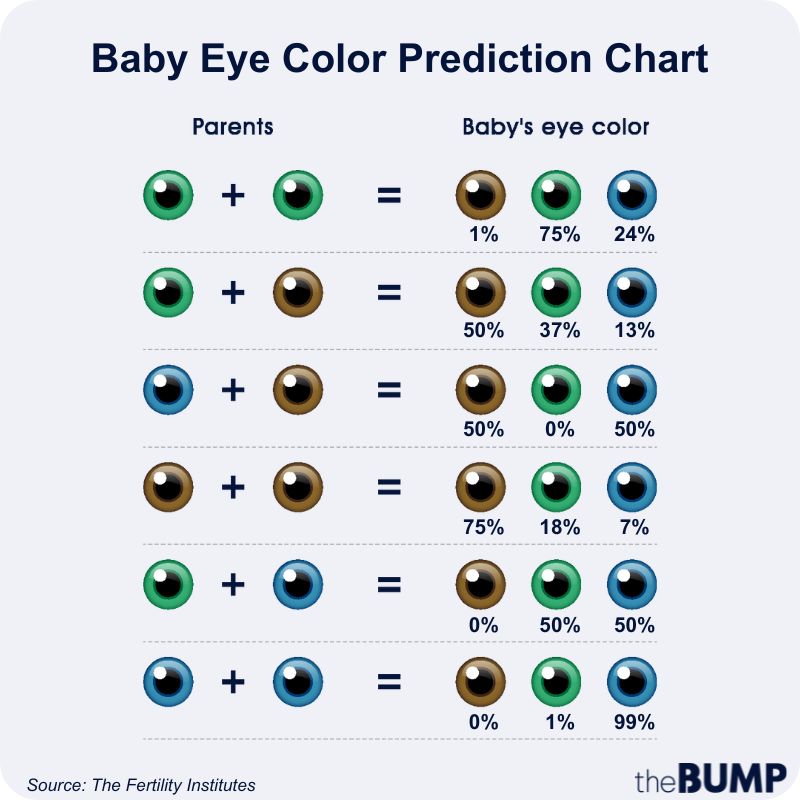
Baby eye color depends mostly on genes inherited from parents. Genes carry instructions that control pigment production in the iris. The amount and type of pigment determine the eye’s color.
Two main pigments affect eye color: melanin and lipochrome. Melanin is brown or black, while lipochrome is yellowish. Higher melanin means darker eyes, such as brown or black.
Several genes work together to decide eye color. The OCA2 and HERC2 genes have the biggest impact. They regulate melanin levels in the iris cells.
How Genes Influence Eye Color Changes
Babies often have blue or gray eyes at birth due to low melanin. Genes activate melanin production after birth, changing eye color. The process can last many months or even years.
Eye color changes as melanocytes increase pigment based on genetic instructions. Some babies develop green, hazel, or brown eyes over time. The final color depends on how much melanin builds up.
Why Eye Color May Not Change Much
If parents have dark eyes, babies usually inherit genes for high melanin. These babies often have dark eyes at birth that stay the same. Genes can limit how much pigment changes after birth.
Light-eyed parents pass genes for less melanin. Babies from these parents may have blue or green eyes that shift gradually. Gene combinations create unique eye colors in each child.
Common Myths About Eye Color
Many parents wonder about the truth behind eye color changes in babies. Myths about when and how a baby’s eye color settles are common. These myths can cause confusion and false expectations. Understanding the facts helps parents appreciate the natural process.
Myth: All Babies Are Born With Blue Eyes
Not every baby has blue eyes at birth. Some babies are born with brown, gray, or green eyes. The initial eye color depends on melanin levels in the iris. Low melanin often makes eyes look blue or gray. This is just the starting point.
Myth: Eye Color Stops Changing After 3 Months
Eye color can keep changing well after three months. For many babies, changes continue until they are about one year old. Sometimes, slight changes happen even after the first year. Melanin production in the iris can increase slowly over time.
Myth: Eye Color Is Only Inherited From The Mother
Eye color comes from both parents, not just the mother. Genes from both sides influence the baby’s eye color. Sometimes, grandparents’ eye colors also play a role. The final color is a mix of many genetic factors.
Myth: Blue Eyes Always Turn Brown
Blue eyes do not always change to brown. Some babies keep their blue eyes for life. Others may shift to green, hazel, or even stay the same shade of blue. Melanin amount and distribution affect the final color.
When Eye Color Stabilizes
Babies’ eye color often changes during their first year. This happens because melanin, the pigment in the iris, increases over time. The final eye color depends on how much melanin the iris produces.
Parents usually notice the biggest changes between 3 and 6 months. After this, changes slow down and become less noticeable. By around 9 to 12 months, eye color starts to stabilize.
Timeline For Eye Color Stability
Most babies’ eyes settle into their permanent color by one year old. Some may take up to 18 months for full stability. Rarely, changes can continue until age three, but this is uncommon.
Factors Influencing Eye Color Change
Melanin levels control the darkness of the eyes. Babies with low melanin at birth have blue or gray eyes. As melanin increases, eyes may turn green, hazel, or brown. Genetics also play a big role in final eye color.
Signs Your Baby’s Eye Color Is Set
When eye color stops changing, it looks consistent in different lights. Both eyes show the same color. The iris texture appears stable and no longer seems to darken or lighten.
Credit: www.thebump.com
Factors Affecting Eye Color Changes
Babies’ eye color changes depend on several key factors. These factors influence how much melanin, the pigment, is in the iris. Melanin controls the darkness of the eye color. Understanding these factors helps explain why eye color shifts during a baby’s first year.
Not all babies have the same eye color changes. Some may have stable color early on. Others might see gradual or dramatic shifts. The timing and extent of change depend on genetics and environment.
Genetics And Eye Color
Genes play the biggest role in eye color changes. Parents pass down genes that control melanin production. Different gene combinations cause different eye colors. Some genes cause blue or green eyes with low melanin. Others cause brown eyes with high melanin.
Genetics also affect how long eye color changes last. Some babies’ eyes settle by six months. Others may keep changing up to one year or more.
Melanin Production In The Iris
Melanin is the pigment that gives color to eyes, skin, and hair. Babies are born with low melanin in their eyes. This makes their eyes look blue or gray at birth. After birth, melanocytes in the iris start producing more melanin.
The amount of melanin increases over time. This darkens the eye color gradually. More melanin means darker eyes. Less melanin means lighter eyes.
Exposure To Light
Light exposure affects melanin production too. Natural light helps stimulate melanocytes. Babies who spend more time in daylight may develop darker eye color faster. Less light exposure can slow down melanin production. This can delay eye color changes.
Age And Timeline Of Changes
Eye color changes mostly happen within the first year. Some babies show changes as early as six weeks. Others may not show full changes until 12 months or later. After one year, eye color usually stays stable.
By around 12 months, most babies have their permanent eye color. Changes after this age are rare but possible.
Signs To Consult An Eye Specialist
Babies’ eye color can change for many months after birth. Most changes happen by the first year. Sometimes, changes take longer or signal a concern. Watching your baby’s eyes closely helps spot problems early. Certain signs mean you should see an eye specialist quickly.
Unusual Eye Color Changes
Eyes changing color unevenly or in patches is a warning sign. Sudden shifts to very pale or very dark shades need professional check-up. If one eye changes differently from the other, consult a specialist.
Persistent Redness Or Swelling
Red or swollen eyelids that do not improve within a few days need attention. Persistent irritation might mean infection or allergy. Early treatment prevents more serious issues.
Excessive Tearing Or Discharge
Constant tearing or sticky discharge from the eyes is abnormal. This may indicate blocked tear ducts or infection. Eye doctors can provide proper care and advice.
Light Sensitivity Or Eye Rubbing
Babies who avoid light or rub their eyes often might have discomfort. This could be a sign of eye strain or infection. An eye exam can help find the cause.
Delayed Or No Eye Contact
If your baby rarely looks at faces or objects, it may show vision problems. Eye specialists can test vision and suggest early treatment if needed.
How Lighting And Environment Influence Eye Color
Babies’ eye color can look different depending on the light and where they are. Light affects how we see the colors in the iris. The iris is the colored part of the eye. When light hits the iris, it can make the color seem lighter or darker.
Natural sunlight usually makes eye color appear brighter. Indoor light or shade can make eyes look duller or change the shade slightly. This does not mean the eye color is changing permanently. It only changes how the color looks at that moment.
Effect Of Natural Light On Baby’s Eye Color
Sunlight brings out the true colors in eyes. It shows more detail in the iris. Babies with lighter eyes may appear more blue or green in sunlight. Darker eyes may look richer and deeper. Natural light helps melanin in the iris to show clearly.
How Indoor Lighting Changes Eye Appearance
Artificial light can make eye color look different. Warm lights like bulbs give eyes a softer look. Cool lights like LEDs can make eyes look sharper or brighter. The eye color does not change but appears to due to the light type.
Role Of Surrounding Colors And Environment
Colors around the baby can reflect on their eyes. Bright or colorful clothes and walls may affect how the eyes look. A dark room can make eyes seem darker. The environment plays a small role in eye color perception.
Frequently Asked Questions
When Can You Tell A Baby’s Eye Color?
You can usually tell a baby’s eye color by 6 to 12 months. Eye color may continue changing until age 3.
Do All Blue-eyed Babies Stay Blue-eyed?
Not all blue-eyed babies keep blue eyes. Eye color can darken as melanin increases, usually stabilizing by age one.
At What Age Do Kids Get Their Permanent Eye Color?
Children typically develop their permanent eye color between 6 months and 3 years old. Melanin levels stabilize by then.
Do All Babies Have Gray Eyes When Born?
Not all babies have gray eyes at birth. Many are born with blue or gray eyes due to low melanin levels. Eye color often changes as melanin increases in the first year. Some babies may have darker eyes from birth that usually remain the same color.
When Do Babies’ Eyes Start Changing Color?
Babies’ eyes usually begin changing color between 6 and 12 months of age.
How Long Does It Take For Baby’s Eye Color To Settle?
Eye color can take up to 12 months, sometimes even 18 months, to fully settle.
Why Do Babies’ Eyes Change Color After Birth?
Low melanin at birth causes blue eyes; melanin increases over time, changing color.
Can A Baby’s Eye Color Change After One Year?
Most changes occur before one year, but minor shifts can happen up to 3 years.
Do All Babies’ Eyes Change Color After Birth?
Not all; babies with dark eyes at birth often keep the same color.
What Affects The Final Eye Color Of A Baby?
Genetics and melanin levels mainly determine a baby’s permanent eye color.
Conclusion
Babies’ eye colors often change during their first year. Melanin builds up gradually, darkening their eyes. By 12 months, most colors settle but some may shift until age three. Remember, every baby is different. Enjoy watching this natural process unfold.
Patience helps, as final eye color takes time. This journey is part of your baby’s unique story.